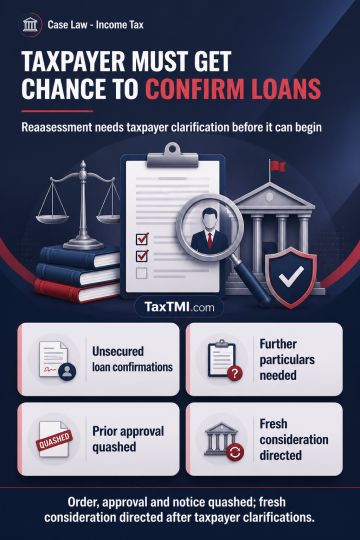
Opportunity to furnish unsecured-loan confirmations is required before reassessment initiation; proceedings require fresh consideration after taxpayer...
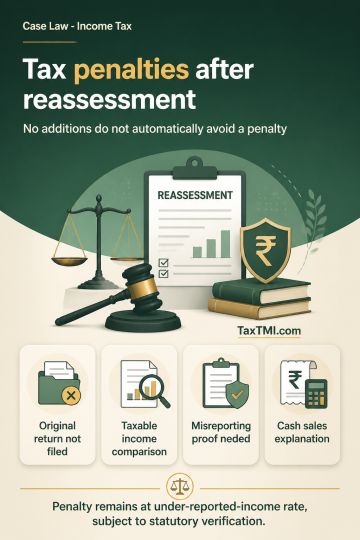
Under-reporting on a first reassessment return attracts penalty, while enhanced misreporting penalty requires proof of a statutory misreporting catego...
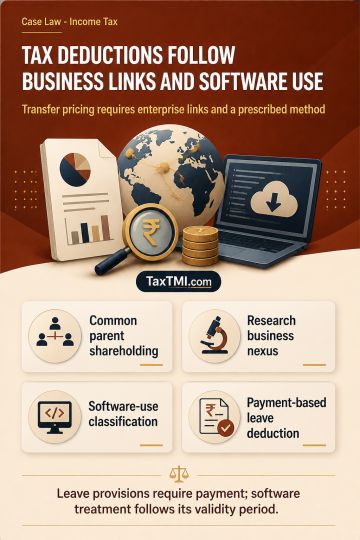
Form 26AS evidence requires successor-entity accounting verification after business transfer, while invoice-supported related-party advertising expend...
HC determined that a petition under IBC Section 10-A was not maintainable where default continued beyond the COVID-19 moratorium period. While Section 10-A prohibits CIRP initiation for defaults occurring between March 25, 2020, and subsequent six months (extendable up to one year), this protection does not extend to continuing defaults beyond the moratorium. The proviso barring future CIRP applications applies strictly to defaults during the specified period. Where default persisted after moratorium expiry, NCLT retained jurisdiction to entertain CIRP petitions. The court rejected the argument that Section 10-A bars proceedings even for continuing defaults and found no jurisdictional error in NCLT entertaining such matters. Petition dismissed, affirming NCLT's authority.
HC determined that a petition under IBC Section 10-A was not maintainable where default continued beyond the COVID-19 moratorium period. While Section 10-A prohibits CIRP initiation for defaults occurring between March 25, 2020, and subsequent six months (extendable up to one year), this protection does not extend to continuing defaults beyond the moratorium. The proviso barring future CIRP applications applies strictly to defaults during the specified period. Where default persisted after moratorium expiry, NCLT retained jurisdiction to entertain CIRP petitions. The court rejected the argument that Section 10-A bars proceedings even for continuing defaults and found no jurisdictional error in NCLT entertaining such matters. Petition dismissed, affirming NCLT's authority.
Note: It is a system-generated summary and is for quick reference only.
 TaxTMI
  TaxTMI
 of 4920