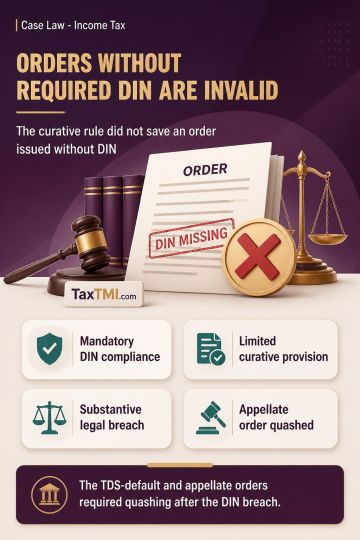
Document Identification Number compliance renders TDS-default orders invalid where mandatory DIN requirements are breached and curative provision does...
SEBI authorized registered stock brokers to access NDS-OM for G-Secs trading through Separate Business Units (SBUs). The SBUs must operate independently from the broker's securities market activities, maintaining segregated accounts and net worth. These units are restricted exclusively to NDS-OM transactions and must maintain arm's length relationships with other operations. The regulatory jurisdiction for SBU activities, including policy, risk management, and enforcement, falls under the respective regulatory authority, not SEBI. Consequently, stock exchange grievance mechanisms, Investor Protection Fund, and SCORES system are not applicable for SBU services. This directive aims to establish clear operational boundaries while facilitating broker participation in the G-Secs market.
SEBI authorized registered stock brokers to access NDS-OM for G-Secs trading through Separate Business Units (SBUs). The SBUs must operate independently from the broker's securities market activities, maintaining segregated accounts and net worth. These units are restricted exclusively to NDS-OM transactions and must maintain arm's length relationships with other operations. The regulatory jurisdiction for SBU activities, including policy, risk management, and enforcement, falls under the respective regulatory authority, not SEBI. Consequently, stock exchange grievance mechanisms, Investor Protection Fund, and SCORES system are not applicable for SBU services. This directive aims to establish clear operational boundaries while facilitating broker participation in the G-Secs market.
Note: It is a system-generated summary and is for quick reference only.
 TaxTMI
  TaxTMI
 of 4918