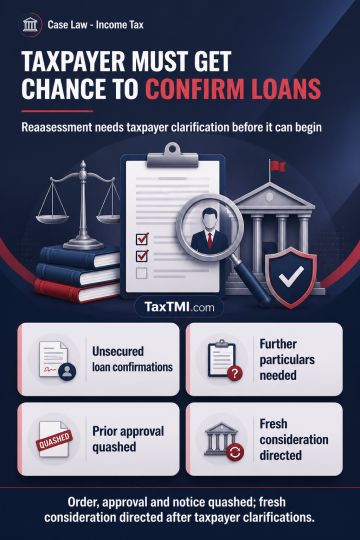
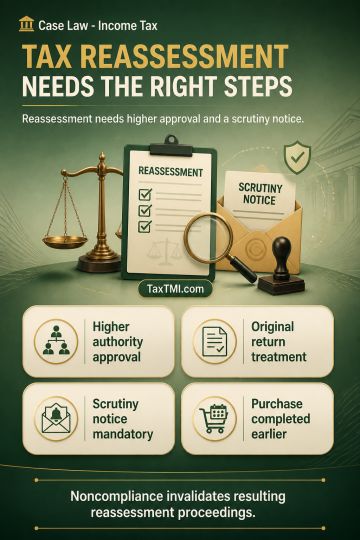
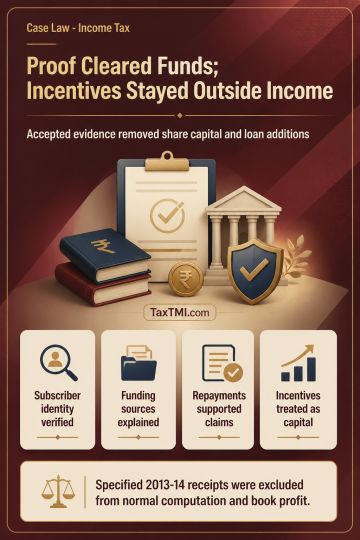
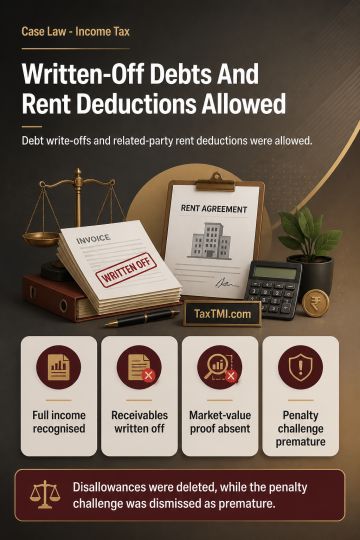
Opportunity to furnish unsecured-loan confirmations is required before reassessment initiation; proceedings require fresh consideration after taxpayer...
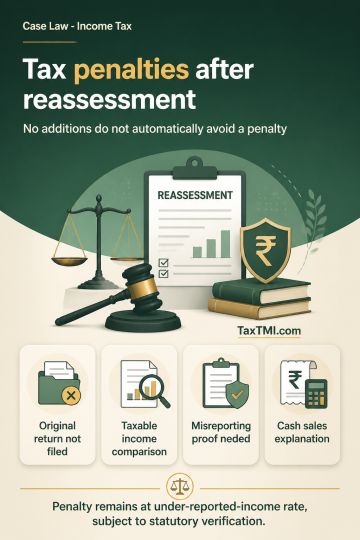
Under-reporting on a first reassessment return attracts penalty, while enhanced misreporting penalty requires proof of a statutory misreporting catego...
The Central Government, exercising powers under Section 164 of CGST Act 2017, has notified the implementation dates for specific provisions of CGST (Amendment) Rules 2024. Rules 2, 24, 27, and 32 will come into effect from February 11, 2025, while Rules 8, 37, and clause (ii) of Rule 38 will be implemented from April 1, 2025. This notification, issued by CBIC, establishes a phased implementation approach for the amended rules, ensuring systematic adoption of the new GST provisions. The staggered implementation allows stakeholders adequate time to adapt to the regulatory changes while maintaining administrative efficiency in tax governance.
The Central Government, exercising powers under Section 164 of CGST Act 2017, has notified the implementation dates for specific provisions of CGST (Amendment) Rules 2024. Rules 2, 24, 27, and 32 will come into effect from February 11, 2025, while Rules 8, 37, and clause (ii) of Rule 38 will be implemented from April 1, 2025. This notification, issued by CBIC, establishes a phased implementation approach for the amended rules, ensuring systematic adoption of the new GST provisions. The staggered implementation allows stakeholders adequate time to adapt to the regulatory changes while maintaining administrative efficiency in tax governance.
Note: It is a system-generated summary and is for quick reference only.
 TaxTMI
  TaxTMI
 of 4918