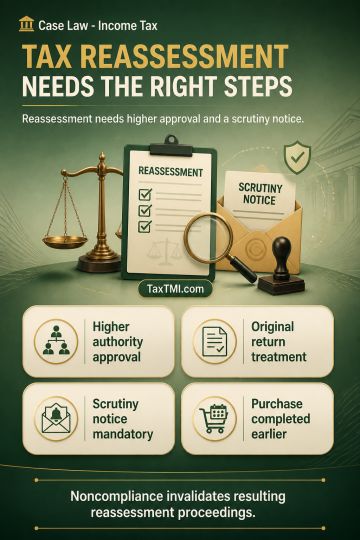
Opportunity to furnish unsecured-loan confirmations is required before reassessment initiation; proceedings require fresh consideration after taxpayer...
Under-reporting on a first reassessment return attracts penalty, while enhanced misreporting penalty requires proof of a statutory misreporting catego...
CESTAT held that customs duty rate is determined by the date of entry inwards at the specific port where goods are unloaded, not when vessel enters territorial waters or receives entry inwards at first port of call. Section 31 of Customs Act requires port-specific documentation for entry inwards by proper officer at each port. While goods become dutiable upon entering territorial waters, machinery provisions in Section 15 govern assessment methodology. The Tribunal rejected appellant's contention that first entry inwards dictates duty rate for subsequent ports, finding no statutory basis for this interpretation. Assessment at 7.5% based on entry inwards at Pipavav Port was upheld and appeal dismissed.
CESTAT held that customs duty rate is determined by the date of entry inwards at the specific port where goods are unloaded, not when vessel enters territorial waters or receives entry inwards at first port of call. Section 31 of Customs Act requires port-specific documentation for entry inwards by proper officer at each port. While goods become dutiable upon entering territorial waters, machinery provisions in Section 15 govern assessment methodology. The Tribunal rejected appellant's contention that first entry inwards dictates duty rate for subsequent ports, finding no statutory basis for this interpretation. Assessment at 7.5% based on entry inwards at Pipavav Port was upheld and appeal dismissed.
Note: It is a system-generated summary and is for quick reference only.
 TaxTMI
  TaxTMI
 of 4918