Mandatory textile export qualifiers distinguish flame-retardant fabrics from other listed fabrics for automated identification under the textiles ince...
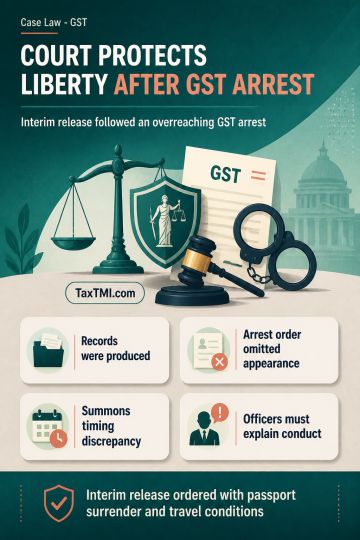
Personal liberty safeguards restrict arrest after court-directed GST appearance, requiring interim release where authorities overreach pending proceed...
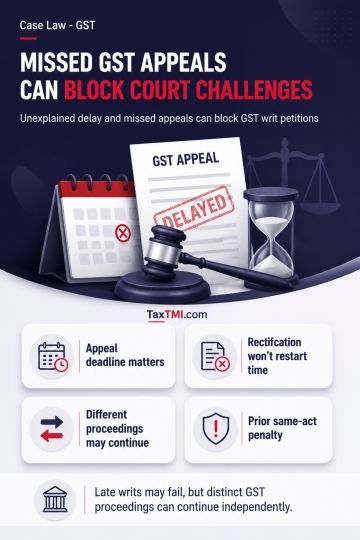
Alternative statutory remedy and delay bar GST writ challenges despite pending rectification, while distinct subject matter permits parallel proceedin...
CESTAT upheld rejection of a customs duty refund claim filed on 09.01.2024 relating to payments made via challans between March-December 2017 under EPCG scheme. The appellant's claim was time-barred under Section 27 of Customs Act, 1962, as it exceeded the one-year limitation period from duty payment date. The Tribunal noted that no statutory relaxations under Section 27(1B) were applicable. Following precedent from IFGL Refractories case, CESTAT found no grounds to interfere with the original order rejecting the refund claim due to clear statutory time-bar. The appeal was dismissed on merits, affirming that limitation periods under Customs Act must be strictly observed.
CESTAT upheld rejection of a customs duty refund claim filed on 09.01.2024 relating to payments made via challans between March-December 2017 under EPCG scheme. The appellant's claim was time-barred under Section 27 of Customs Act, 1962, as it exceeded the one-year limitation period from duty payment date. The Tribunal noted that no statutory relaxations under Section 27(1B) were applicable. Following precedent from IFGL Refractories case, CESTAT found no grounds to interfere with the original order rejecting the refund claim due to clear statutory time-bar. The appeal was dismissed on merits, affirming that limitation periods under Customs Act must be strictly observed.
Note: It is a system-generated summary and is for quick reference only.
 TaxTMI
  TaxTMI
 of 4881