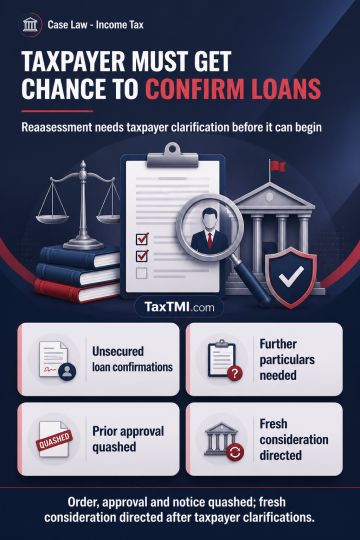
Opportunity to furnish unsecured-loan confirmations is required before reassessment initiation; proceedings require fresh consideration after taxpayer...
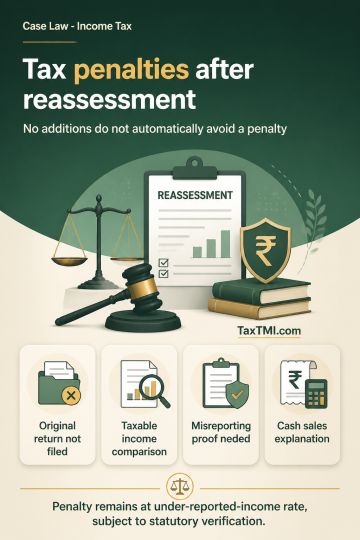
Under-reporting on a first reassessment return attracts penalty, while enhanced misreporting penalty requires proof of a statutory misreporting catego...
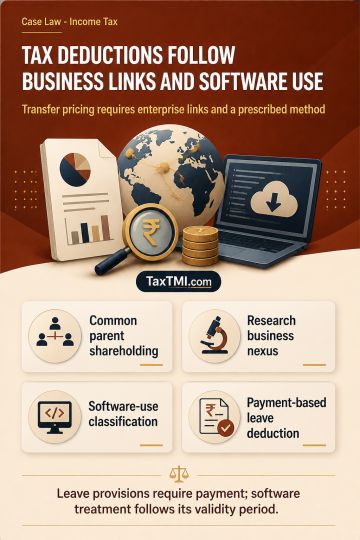
Form 26AS evidence requires successor-entity accounting verification after business transfer, while invoice-supported related-party advertising expend...
CBIC has clarified fee requirements for time extension applications under Rules 6 and 7 of Customs and Central Excise Duties Drawback Rules, 2017. The Board addressed inconsistent practices across ports regarding application fees for duty drawback rate determinations. The clarification establishes that application fees for time extensions should be charged per application basis, not per shipping bill, even when multiple shipping bills are included in a single application. This resolves the divergent practices where some ports were charging fees per shipping bill while others charged per application. The ruling streamlines the fee structure for exporters seeking time extensions for duty drawback rate fixation applications.
CBIC has clarified fee requirements for time extension applications under Rules 6 and 7 of Customs and Central Excise Duties Drawback Rules, 2017. The Board addressed inconsistent practices across ports regarding application fees for duty drawback rate determinations. The clarification establishes that application fees for time extensions should be charged per application basis, not per shipping bill, even when multiple shipping bills are included in a single application. This resolves the divergent practices where some ports were charging fees per shipping bill while others charged per application. The ruling streamlines the fee structure for exporters seeking time extensions for duty drawback rate fixation applications.
Note: It is a system-generated summary and is for quick reference only.
 TaxTMI
  TaxTMI
 of 4920