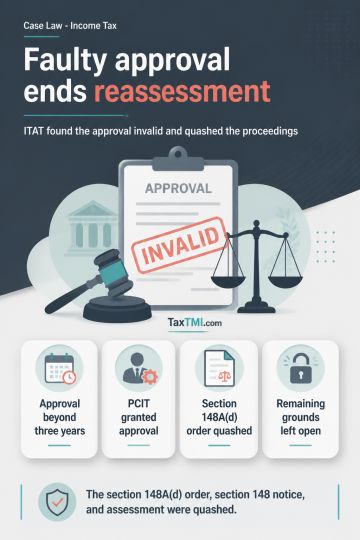
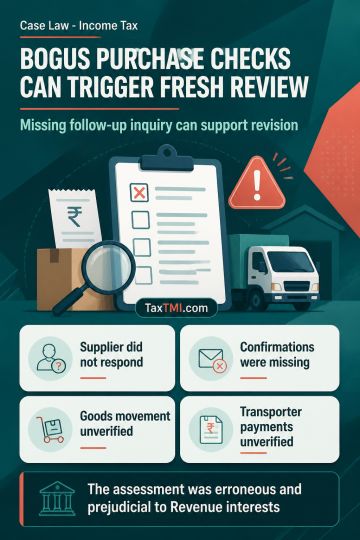
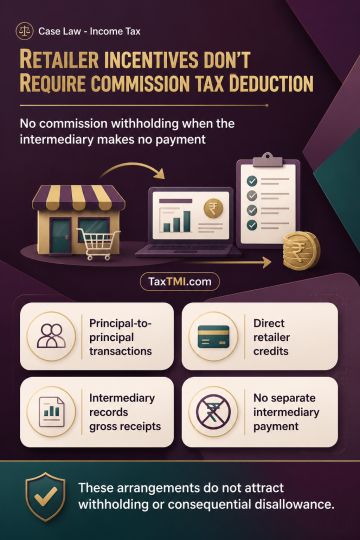
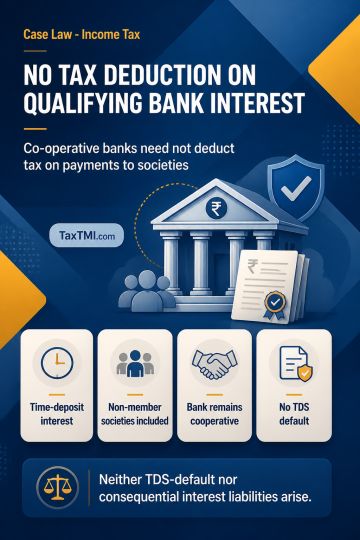
Electronic evidence and search statements in tax assessments require authenticity review and corroboration, while procedural manuals lack statutory fo...
Tariff rate quota authorisations govern preferential imports of specified New Zealand goods through export certification and electronic customs debiti...
Electronic Continuity Bond Registration replaces manual container permissions, with quarterly reporting and re-export monitoring for duty-free contain...
CESTAT upheld Commissioner (Appeals)'s decision to remand case back to Adjudicating Authority for fresh adjudication. The original order was challenged for violating natural justice principles, particularly regarding interpretation of Standing Order 6/2022 concerning Bills of Entry exclusions under Customs Act Sections 149 and 154. The Tribunal found Commissioner (Appeals) acted within statutory powers under Section 128A(3) of Customs Act, 1962, as original adjudication failed to observe natural justice principles. The remand order was deemed proper and legally sound, despite appellant's contention about arbitrary application of standing order. Appeal dismissed, confirming Commissioner (Appeals)'s remand order for fresh adjudication.
CESTAT upheld Commissioner (Appeals)'s decision to remand case back to Adjudicating Authority for fresh adjudication. The original order was challenged for violating natural justice principles, particularly regarding interpretation of Standing Order 6/2022 concerning Bills of Entry exclusions under Customs Act Sections 149 and 154. The Tribunal found Commissioner (Appeals) acted within statutory powers under Section 128A(3) of Customs Act, 1962, as original adjudication failed to observe natural justice principles. The remand order was deemed proper and legally sound, despite appellant's contention about arbitrary application of standing order. Appeal dismissed, confirming Commissioner (Appeals)'s remand order for fresh adjudication.
Note: It is a system-generated summary and is for quick reference only.
 TaxTMI
 TaxTMI

 of 4921