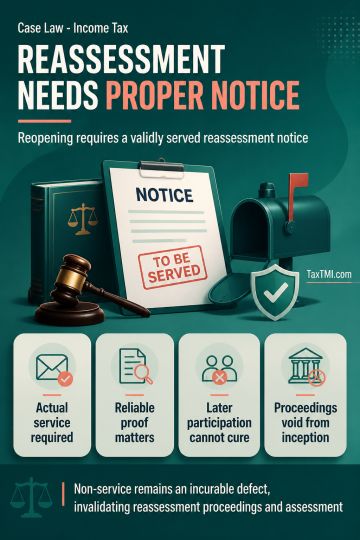
Pre-amendment reassessment limitation bars late notices under the preserved regime, invalidating consequential reassessment for affected earlier asses...
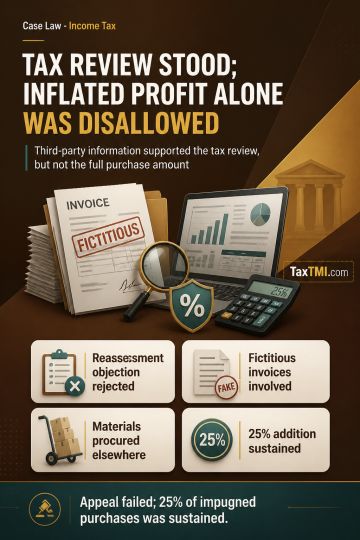
Cash-sales explanations for bank deposits require documentary reconciliation; reassessment notice survived where effective response time was available...
Functional comparability in transfer pricing prevents ad hoc arm's length adjustments where functions, assets, risks and reliable comparables are unes...
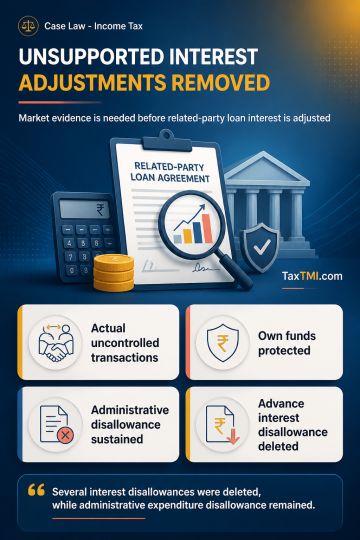
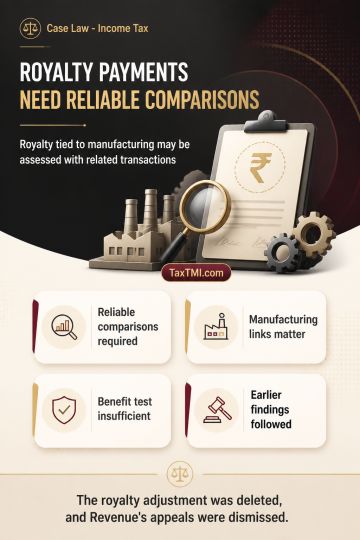
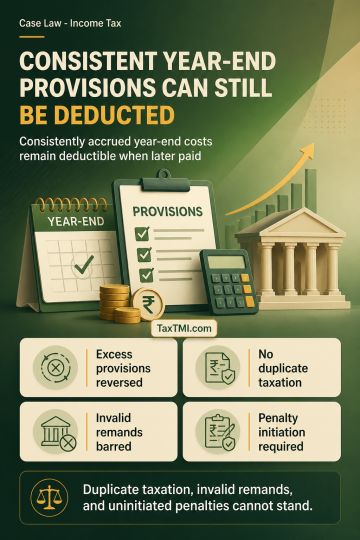
Contingency expenses, exempt-income disallowance, and royalty benchmarking: unsupported adjustments were deleted under consistent accounting and trans...
The Union Budget 2025-26 emphasizes infrastructure-led economic growth, following the Rs 11.1 lakh crore allocation in 2024-25. Key priorities include expansion of railways, defense, power, and data centers through the National Infrastructure Pipeline. The budget aims to achieve a $7 trillion economy by 2030, requiring $2.2 trillion in infrastructure investment with a projected 3x GDP multiplier effect. Critical focus areas include urban development through PMAY and AMRUT schemes, sustainability initiatives, and public-private partnerships. The government's commitment to PM Gati-Shakti National Master Plan and Jal Jeevan Mission remains central, with emphasis on green building practices and smart city development. The plan aligns with Make in India, targeting growth in manufacturing, construction materials, and technological solutions.
The Union Budget 2025-26 emphasizes infrastructure-led economic growth, following the Rs 11.1 lakh crore allocation in 2024-25. Key priorities include expansion of railways, defense, power, and data centers through the National Infrastructure Pipeline. The budget aims to achieve a $7 trillion economy by 2030, requiring $2.2 trillion in infrastructure investment with a projected 3x GDP multiplier effect. Critical focus areas include urban development through PMAY and AMRUT schemes, sustainability initiatives, and public-private partnerships. The government's commitment to PM Gati-Shakti National Master Plan and Jal Jeevan Mission remains central, with emphasis on green building practices and smart city development. The plan aligns with Make in India, targeting growth in manufacturing, construction materials, and technological solutions.
Note: It is a system-generated summary and is for quick reference only.
 TaxTMI
 TaxTMI

 of 4918