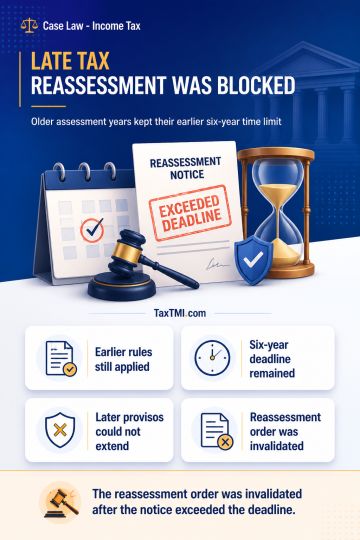
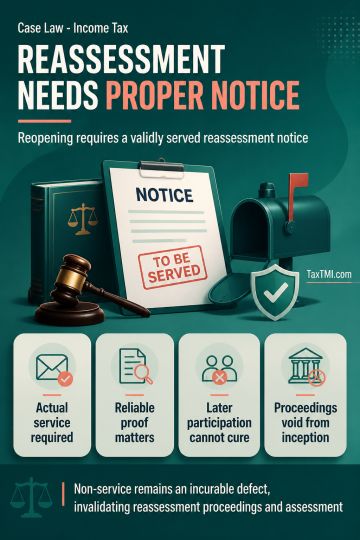
Pre-amendment reassessment limitation bars late notices under the preserved regime, invalidating consequential reassessment for affected earlier asses...
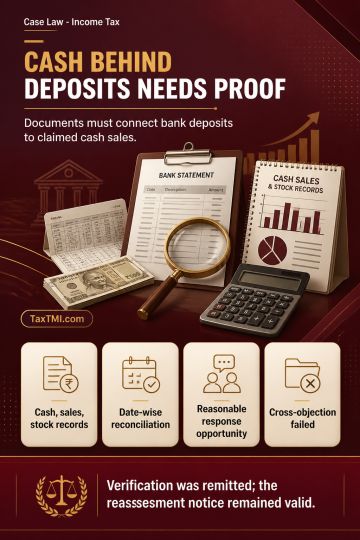
Cash-sales explanations for bank deposits require documentary reconciliation; reassessment notice survived where effective response time was available...
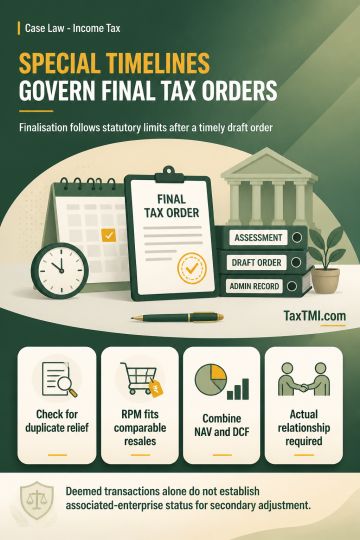
Functional comparability in transfer pricing prevents ad hoc arm's length adjustments where functions, assets, risks and reliable comparables are unes...
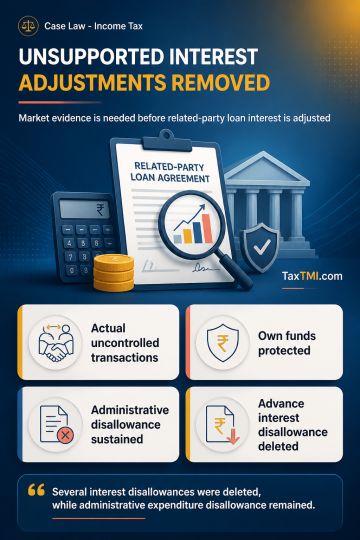
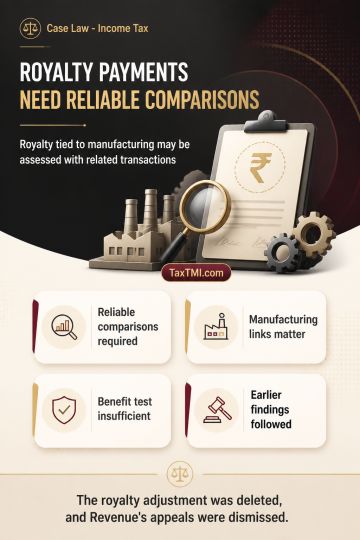
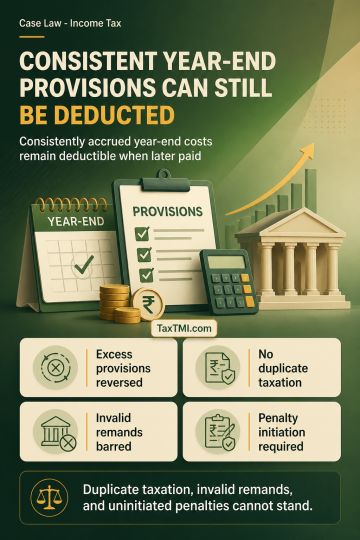
Contingency expenses, exempt-income disallowance, and royalty benchmarking: unsupported adjustments were deleted under consistent accounting and trans...
CESTAT determined that providing infrastructure and support services to educational institutions like IIM and XLRI does not constitute commercial training and coaching services subject to service tax. The appellants' role was limited to facilitating classes through infrastructure maintenance, marketing programs, and examination support, while the institutions maintained control over pedagogy, course design, and certification. Unlike typical coaching centers, appellants were integrated with degree-awarding institutions through revenue-sharing agreements. The tribunal held these were auxiliary educational support services qualifying for exemption, not commercial coaching services. The Commissioner's contradictory findings regarding service classification were rejected, and the appeal was allowed on grounds that infrastructure support to recognized educational institutions falls under exempt services.
CESTAT determined that providing infrastructure and support services to educational institutions like IIM and XLRI does not constitute commercial training and coaching services subject to service tax. The appellants' role was limited to facilitating classes through infrastructure maintenance, marketing programs, and examination support, while the institutions maintained control over pedagogy, course design, and certification. Unlike typical coaching centers, appellants were integrated with degree-awarding institutions through revenue-sharing agreements. The tribunal held these were auxiliary educational support services qualifying for exemption, not commercial coaching services. The Commissioner's contradictory findings regarding service classification were rejected, and the appeal was allowed on grounds that infrastructure support to recognized educational institutions falls under exempt services.
Note: It is a system-generated summary and is for quick reference only.
 TaxTMI
 TaxTMI

 of 4921