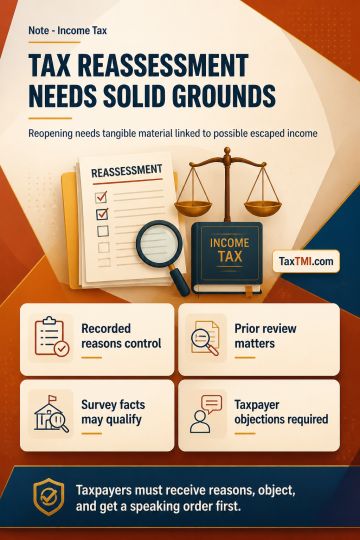
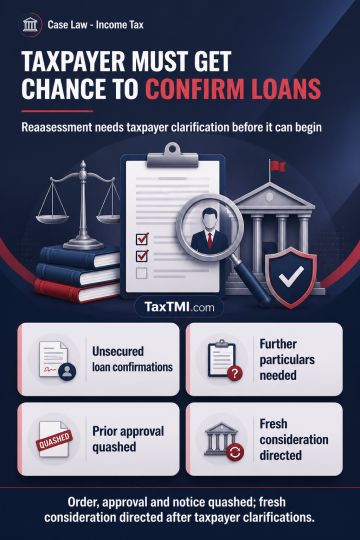
Opportunity to furnish unsecured-loan confirmations is required before reassessment initiation; proceedings require fresh consideration after taxpayer...
HC denied bail in GST fraud case where petitioner allegedly availed fraudulent Input Tax Credit worth 10.67 crores through fictitious firms. Evidence included seized fake rubber stamps, fabricated E-bills, and transport company testimony confirming route discrepancies. Court distinguished this case from Prabir Purkayastha and Pankaj Bansal precedents regarding arrest procedures under PMLA, noting different statutory requirements under GST Act. Following Y.S. Jaganmohan Reddy principle that economic offenses warrant stringent treatment, HC found prima facie evidence of deliberate fraud through sham bills and non-existent firms sufficient to deny bail. Court emphasized gravity of economic offenses affecting national economic fabric.
HC denied bail in GST fraud case where petitioner allegedly availed fraudulent Input Tax Credit worth 10.67 crores through fictitious firms. Evidence included seized fake rubber stamps, fabricated E-bills, and transport company testimony confirming route discrepancies. Court distinguished this case from Prabir Purkayastha and Pankaj Bansal precedents regarding arrest procedures under PMLA, noting different statutory requirements under GST Act. Following Y.S. Jaganmohan Reddy principle that economic offenses warrant stringent treatment, HC found prima facie evidence of deliberate fraud through sham bills and non-existent firms sufficient to deny bail. Court emphasized gravity of economic offenses affecting national economic fabric.
Note: It is a system-generated summary and is for quick reference only.
 TaxTMI
  TaxTMI
 of 4918