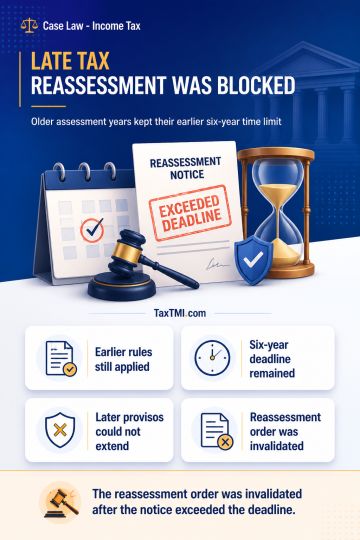
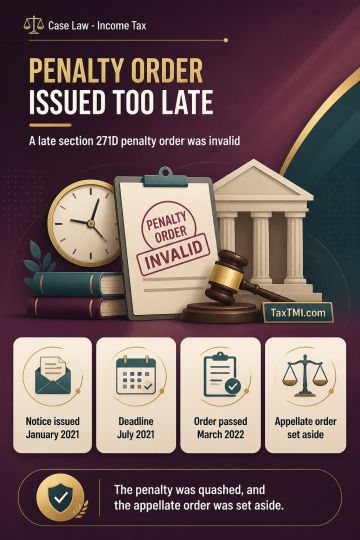
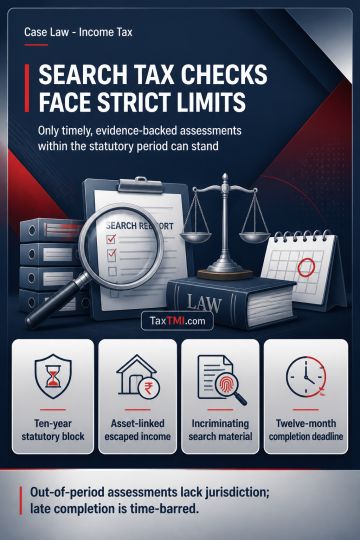
Pre-amendment reassessment limitation bars late notices under the preserved regime, invalidating consequential reassessment for affected earlier asses...
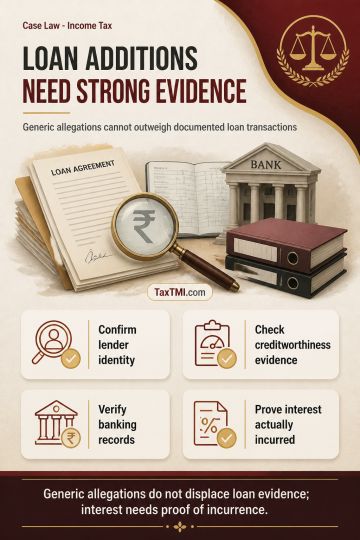
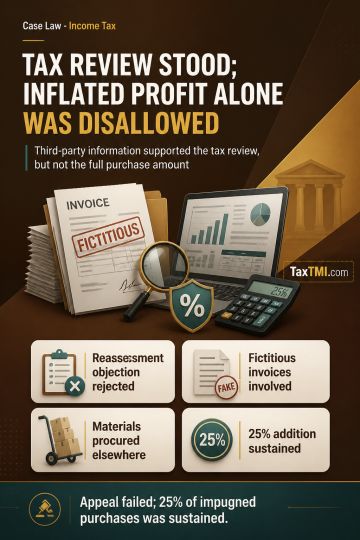
Cash-sales explanations for bank deposits require documentary reconciliation; reassessment notice survived where effective response time was available...
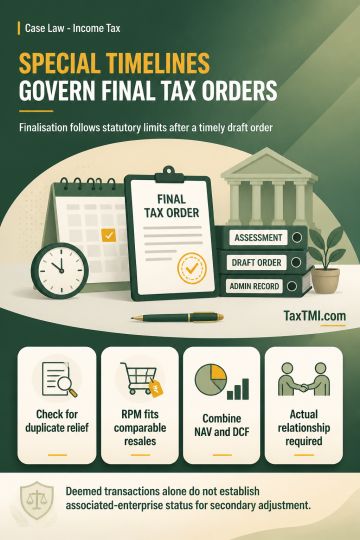
Functional comparability in transfer pricing prevents ad hoc arm's length adjustments where functions, assets, risks and reliable comparables are unes...
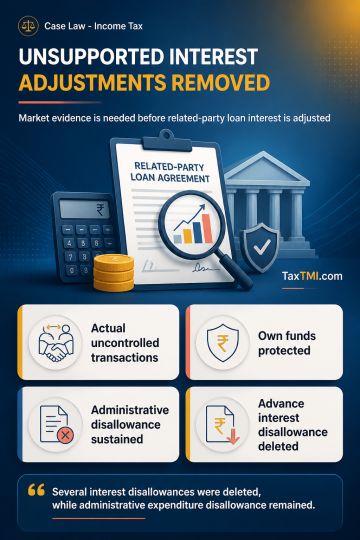
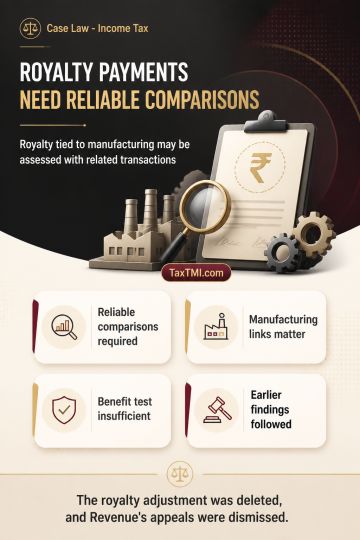
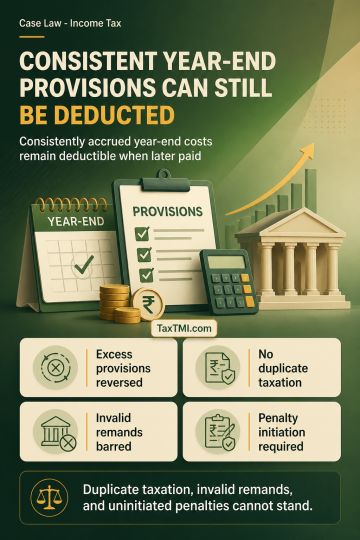
Contingency expenses, exempt-income disallowance, and royalty benchmarking: unsupported adjustments were deleted under consistent accounting and trans...
The SC held that the compromise decree acquired by the appellant through the suit did not require registration u/s 17(2)(vi) of the Registration Act, 1908, as it pertained to the subject matter of the suit. The consent decree did not operate as a conveyance to attract stamp duty under Article 22A of Schedule 1A of the Indian Stamp Act, 1899, as the appellant merely asserted pre-existing rights without creating new rights. Consequently, the appellant was entitled to possession of the subject land without interference from Respondent No.2 and to get his name recorded in revenue records. The appeal was allowed.
The SC held that the compromise decree acquired by the appellant through the suit did not require registration u/s 17(2)(vi) of the Registration Act, 1908, as it pertained to the subject matter of the suit. The consent decree did not operate as a conveyance to attract stamp duty under Article 22A of Schedule 1A of the Indian Stamp Act, 1899, as the appellant merely asserted pre-existing rights without creating new rights. Consequently, the appellant was entitled to possession of the subject land without interference from Respondent No.2 and to get his name recorded in revenue records. The appeal was allowed.
Note: It is a system-generated summary and is for quick reference only.
 TaxTMI
 TaxTMI

 of 4918