Customs exemptions cover photovoltaic assembly machinery and PVF backsheets, while fully declared cleared imports may avoid confiscation and penalties...
Specific tariff classification for LCD devices overrides treatment as electricity-meter parts, defeating differential duty, extended limitation, and p...
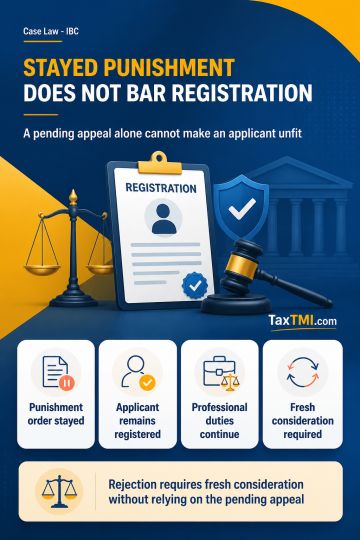
Stayed disciplinary punishment does not establish unfitness for insolvency professional registration; reconsideration must disregard mere pendency of ...
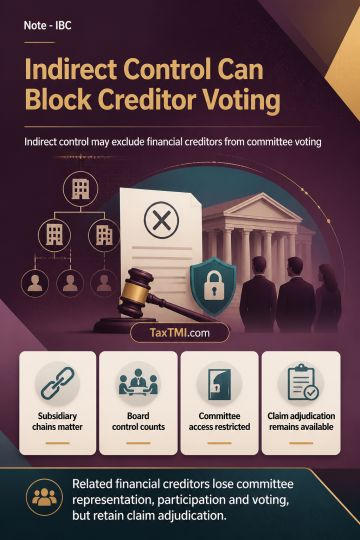
Indirect corporate control can create related-party status, excluding financial creditors from Committee of Creditors representation, participation an...
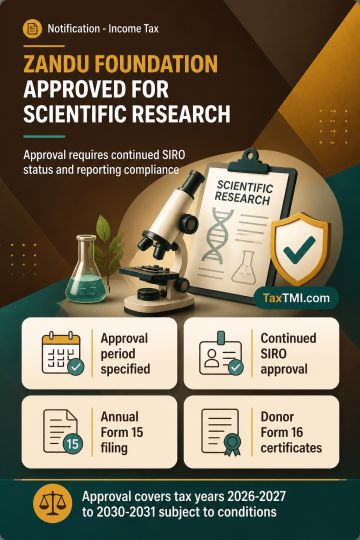
Scientific research association approval requires continuing SIRO status, annual donation reporting, and donor certificates for the approved foundatio...
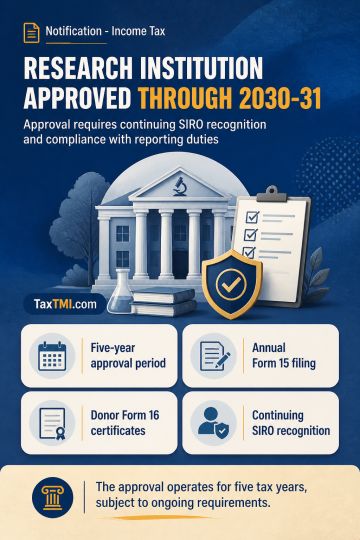
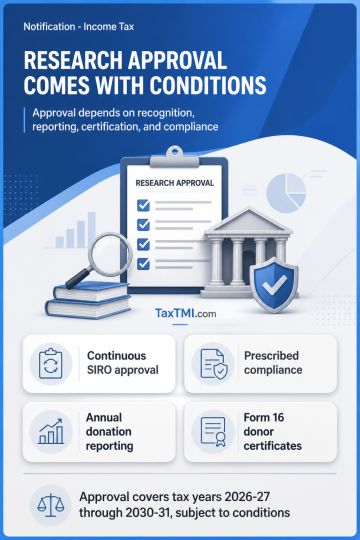
Scientific research institution approval is conditional on SIRO recognition, annual donation reporting, donor certification, and prescribed compliance...
The CIT(A) has wide powers akin to reassessment. Once an assessment order is before CIT(A), its powers are not restricted to examining only grievances raised by the assessee but extend to the entire assessment to correct the AO. Under sec 250(4), CIT(A) can make further enquiries, fresh assessments and determine tax payability. Even if AO concluded income is non-taxable, CIT(A) can take a different view and bring that income to tax. Relying on Supreme Court decisions, ITAT held that the appellate authority has all original authority's powers, subject to statutory restrictions. Allowing the appeal for statistical purposes, ITAT emphasised the need for thorough and compliant adjudication.
The CIT(A) has wide powers akin to reassessment. Once an assessment order is before CIT(A), its powers are not restricted to examining only grievances raised by the assessee but extend to the entire assessment to correct the AO. Under sec 250(4), CIT(A) can make further enquiries, fresh assessments and determine tax payability. Even if AO concluded income is non-taxable, CIT(A) can take a different view and bring that income to tax. Relying on Supreme Court decisions, ITAT held that the appellate authority has all original authority's powers, subject to statutory restrictions. Allowing the appeal for statistical purposes, ITAT emphasised the need for thorough and compliant adjudication.
Note: It is a system-generated summary and is for quick reference only.
 TaxTMI
  TaxTMI
 of 4879