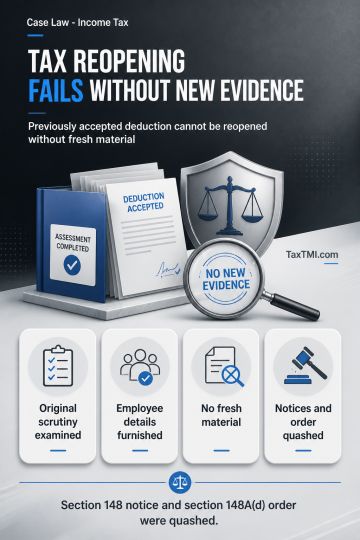
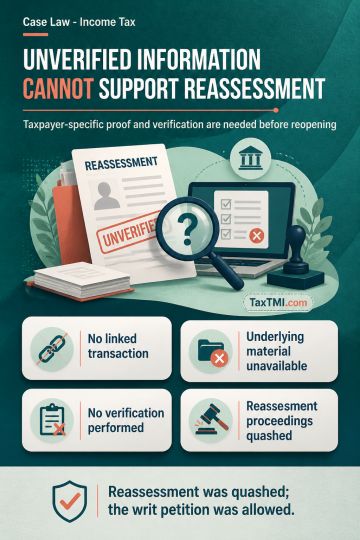
Unverified Insight Portal Information Cannot Justify Reassessment Without a Verified Taxpayer-Specific Income-Escape Nexus or Demonstrated Application...
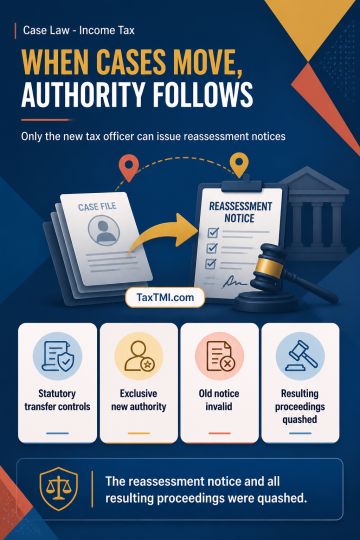
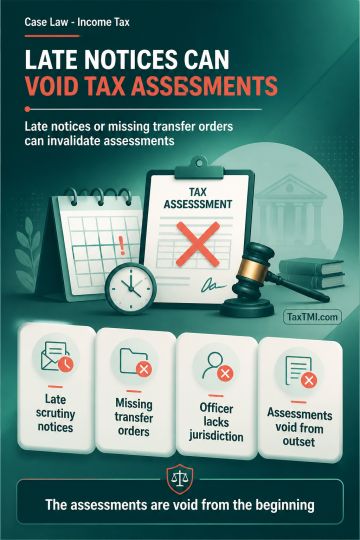
Assessing Officer jurisdiction after statutory transfer invalidates reassessment notices issued by transferor officers and nullifies resulting proceed...
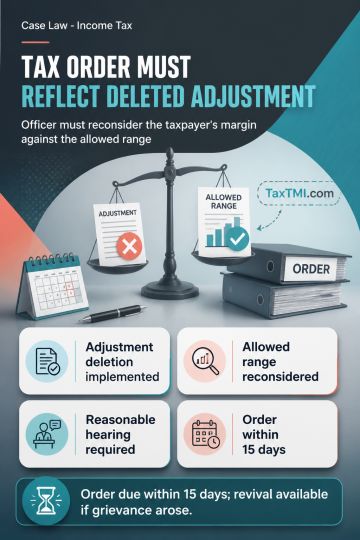
Consequential appeal-effect orders must implement rectification deleting working-capital adjustments and reconsider the resulting arm's-length range c...
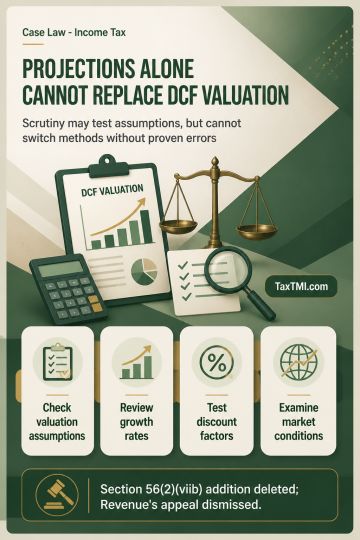
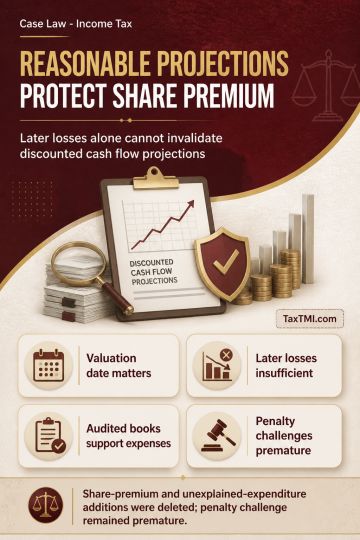
Discounted cash flow valuation protects share premium where projections are reasonable, while audited book expenses defeat unexplained-expenditure add...
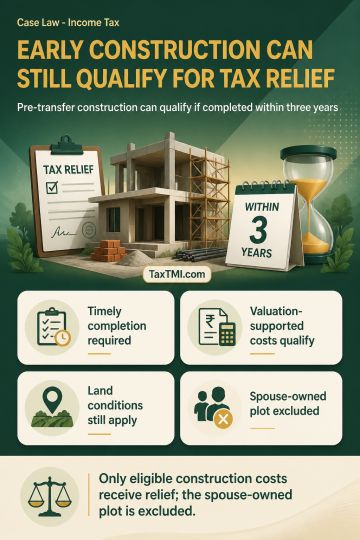
Section 54 construction relief survives pre-transfer commencement when completion occurs within the statutory period, excluding ineligible spouse-owne...
The appellant, a decree holder, qualifies as a "Financial Creditor" under the Insolvency and Bankruptcy Code (IBC). The settlement agreement recognized the appellant's financial claim, and the decree formalized the respondent's obligation to pay, not altering the underlying financial debt's character. The petition filed by the appellant u/s 7 of the IBC is within the limitation period. The respondent's acknowledgments of debt before the High Court extended the limitation period u/s 18 of the Limitation Act, 1963. The NCLT order dismissing the petition on the ground of limitation is erroneous and liable to be set aside. The appeal is allowed.
The appellant, a decree holder, qualifies as a "Financial Creditor" under the Insolvency and Bankruptcy Code (IBC). The settlement agreement recognized the appellant's financial claim, and the decree formalized the respondent's obligation to pay, not altering the underlying financial debt's character. The petition filed by the appellant u/s 7 of the IBC is within the limitation period. The respondent's acknowledgments of debt before the High Court extended the limitation period u/s 18 of the Limitation Act, 1963. The NCLT order dismissing the petition on the ground of limitation is erroneous and liable to be set aside. The appeal is allowed.
Note: It is a system-generated summary and is for quick reference only.
 TaxTMI
  TaxTMI
 of 4881