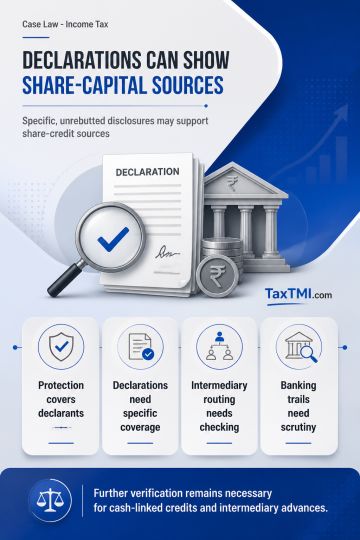
Income Declaration Scheme declarations can evidence share-capital sources, while round-tripped funds and cash-linked credits require further verificat...
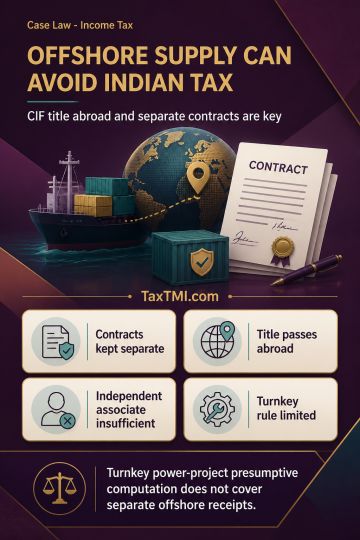
Permanent establishment tests: independent subsidiary premises and principal-to-principal dealings did not create Indian taxability for offshore suppl...
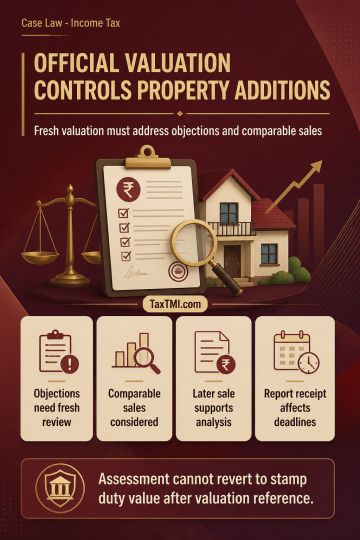
Valuation Officer estimates govern property-value additions once statutory valuation is invoked, requiring fresh consideration of objections and compa...
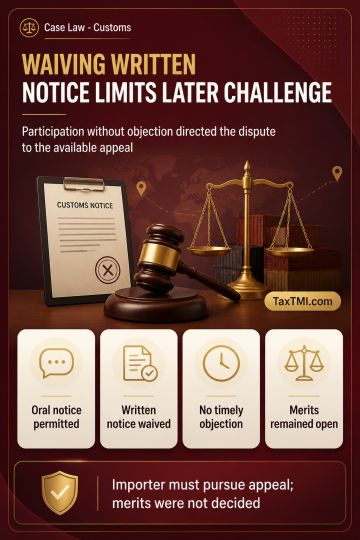
Waiver of written show-cause notice may prevent a later procedural challenge after participation in customs adjudication, preserving statutory appella...
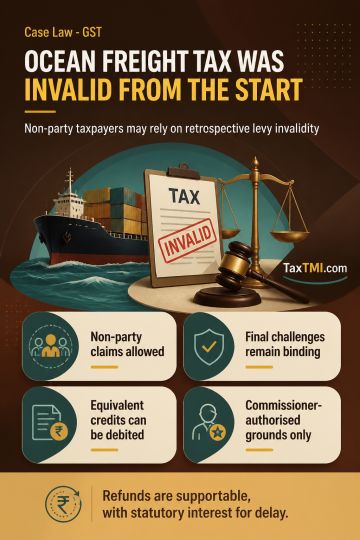
Retrospective invalidity of ocean-freight IGST supports refunds despite non-party status and prior credit utilisation, subject to authorised appeal gr...
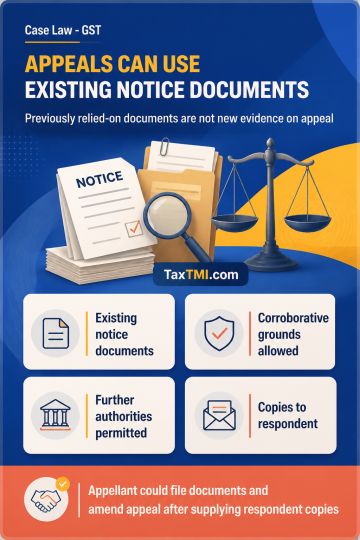
Additional evidence in departmental appeals may include show-cause-notice material without introducing a new case where it merely corroborates existin...
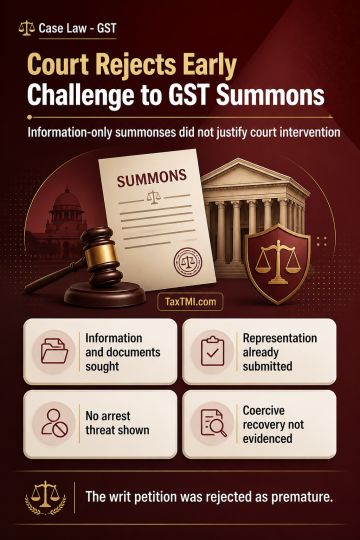
The High Court dismissed the writ petition challenging the show cause notice issued for wrongful availment of input tax credit by the petitioners. The Court held that the show cause notice u/s 74 of the CGST/WBGST Acts is merely initiation of adjudication and does not warrant judicial interference unless issued wholly without jurisdiction or ex-facie perverse. Relying on Supreme Court's decision in Mohd. Ghulam Ghouse case, the Court ruled that writ jurisdiction can be invoked only when the notice lacks jurisdiction, and interim relief cannot be granted bypassing the statutory adjudication mechanism. The Court found no jurisdictional error or procedural impropriety in issuing the notice and emphasized that procedural grievances can be effectively addressed during adjudication u/s 74(9). The statutory framework provides sufficient opportunity for taxpayers to raise defenses, and premature judicial intervention is impermissible.
The High Court dismissed the writ petition challenging the show cause notice issued for wrongful availment of input tax credit by the petitioners. The Court held that the show cause notice u/s 74 of the CGST/WBGST Acts is merely initiation of adjudication and does not warrant judicial interference unless issued wholly without jurisdiction or ex-facie perverse. Relying on Supreme Court's decision in Mohd. Ghulam Ghouse case, the Court ruled that writ jurisdiction can be invoked only when the notice lacks jurisdiction, and interim relief cannot be granted bypassing the statutory adjudication mechanism. The Court found no jurisdictional error or procedural impropriety in issuing the notice and emphasized that procedural grievances can be effectively addressed during adjudication u/s 74(9). The statutory framework provides sufficient opportunity for taxpayers to raise defenses, and premature judicial intervention is impermissible.
Note: It is a system-generated summary and is for quick reference only.
 TaxTMI
  TaxTMI
 of 4897