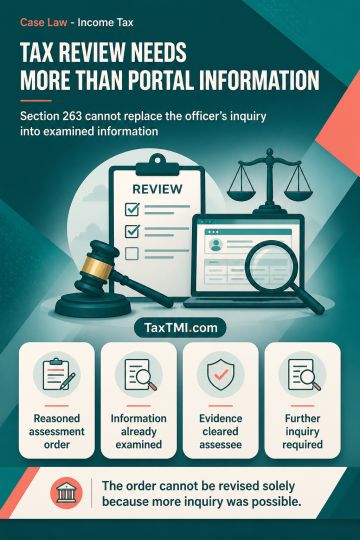
Permanent establishment tests: independent subsidiary premises and principal-to-principal dealings did not create Indian taxability for offshore suppl...
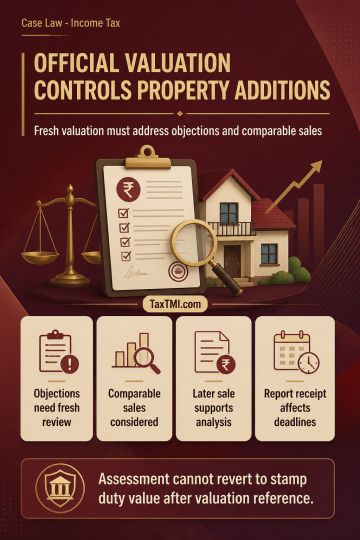
Valuation Officer estimates govern property-value additions once statutory valuation is invoked, requiring fresh consideration of objections and compa...
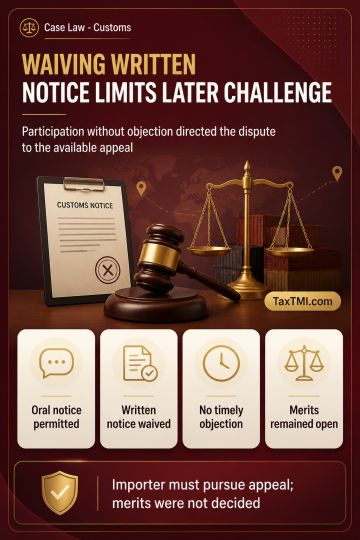
Waiver of written show-cause notice may prevent a later procedural challenge after participation in customs adjudication, preserving statutory appella...
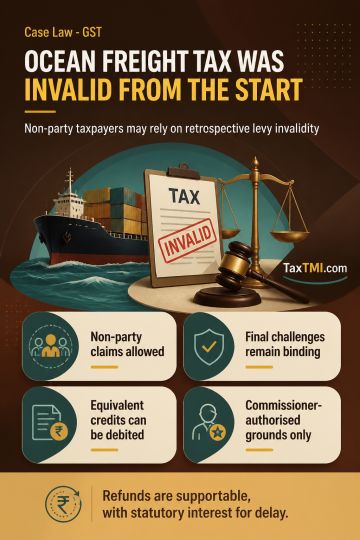
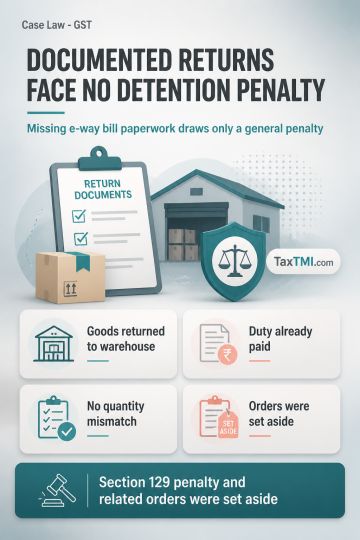
Retrospective invalidity of ocean-freight IGST supports refunds despite non-party status and prior credit utilisation, subject to authorised appeal gr...
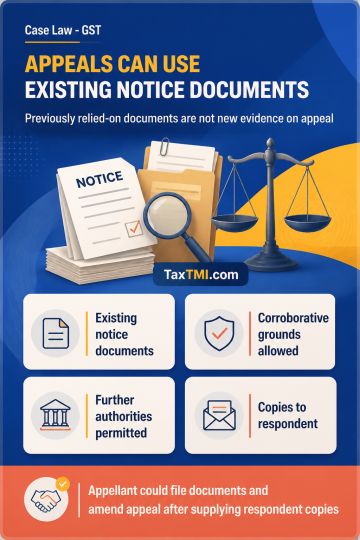
Additional evidence in departmental appeals may include show-cause-notice material without introducing a new case where it merely corroborates existin...
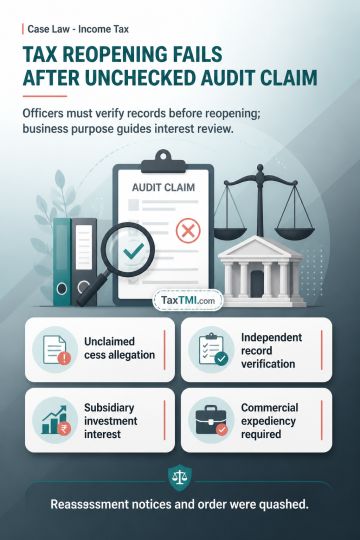
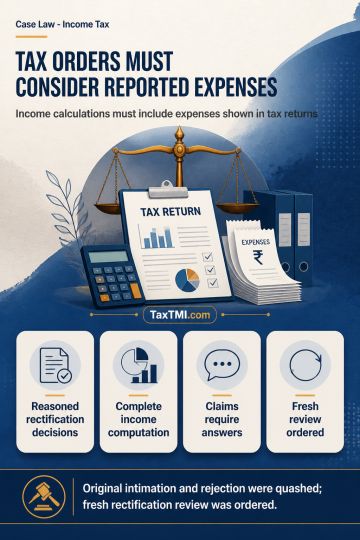
Reasoned rectification orders require consideration of expenditure disclosed in income-tax returns, preventing revision based on incomplete income com...
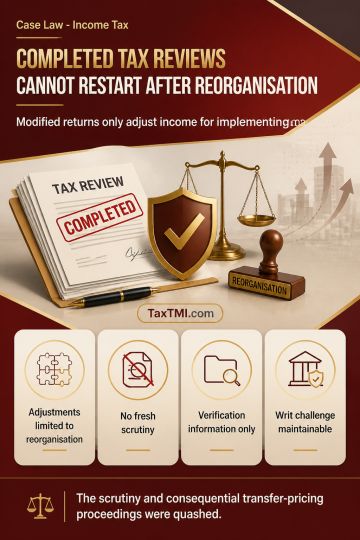
Modified returns after business reorganisations cannot trigger fresh scrutiny once the original assessment was complete, invalidating related transfer...
Page of 4891
Press 'Enter' after typing page number.
21 to 40 of 97820 Results
❮
❯
❯❯
0 / 200
Expand Note
Add to Folder
No Folders have been created
+
Are you sure you want to delete "My most important" ?
The appellant, a job worker, violated Rules 6 and 10A of the Central Excise Valuation Rules by not including the value of free supply material from the prime manufacturer while clearing job-worked goods on payment of duty. This amounted to suppression of facts with intent to evade duty, invoking the extended period of limitation u/s 11A(4). The assessable value should have included the value of raw materials supplied for job work, as per Supreme Court decisions. The benefit of Notification 214/86-CE was not admissible due to non-compliance with conditions. Rule 10A provided definiteness for valuation of goods manufactured and cleared by job workers.
The appellant, a job worker, violated Rules 6 and 10A of the Central Excise Valuation Rules by not including the value of free supply material from the prime manufacturer while clearing job-worked goods on payment of duty. This amounted to suppression of facts with intent to evade duty, invoking the extended period of limitation u/s 11A(4). The assessable value should have included the value of raw materials supplied for job work, as per Supreme Court decisions. The benefit of Notification 214/86-CE was not admissible due to non-compliance with conditions. Rule 10A provided definiteness for valuation of goods manufactured and cleared by job workers.
Note: It is a system-generated summary and is for quick reference only.
 TaxTMI
  TaxTMI
 of 4891