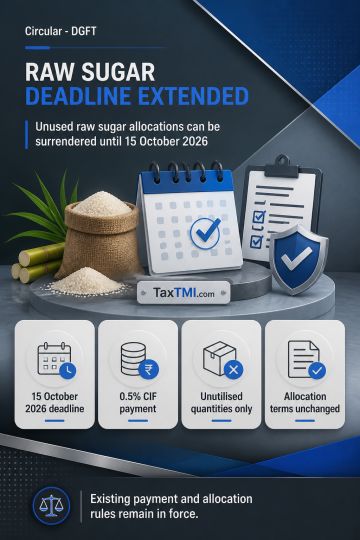
Customs-controlled cargo movement now includes GDL, subject to EXIM prioritisation, segregation, verification, reconciliation and enforcement safeguar...
The High Court held that the Revenue's decision to adjust the refund due to the petitioner for the assessment years 2008-09 and 2017-18 against the stayed demand for the assessment year 2015-16 was arbitrary. The court noted that granting stay of recovery subject to payment of 20% of the outstanding tax demand was in accordance with the CBDT's instructions. Adjusting refunds against the stayed demand would place the assessee entitled to a refund in a disadvantageous position compared to those without refunds. There was no allegation that the petitioner was alienating assets or unable to pay the disputed demand if confirmed. The court directed the Revenue to refund the amount due with applicable interest for the assessment years 2008-09 and 2017-18 within eight weeks.
The High Court held that the Revenue's decision to adjust the refund due to the petitioner for the assessment years 2008-09 and 2017-18 against the stayed demand for the assessment year 2015-16 was arbitrary. The court noted that granting stay of recovery subject to payment of 20% of the outstanding tax demand was in accordance with the CBDT's instructions. Adjusting refunds against the stayed demand would place the assessee entitled to a refund in a disadvantageous position compared to those without refunds. There was no allegation that the petitioner was alienating assets or unable to pay the disputed demand if confirmed. The court directed the Revenue to refund the amount due with applicable interest for the assessment years 2008-09 and 2017-18 within eight weeks.
Note: It is a system-generated summary and is for quick reference only.
 TaxTMI
  TaxTMI
 of 4881