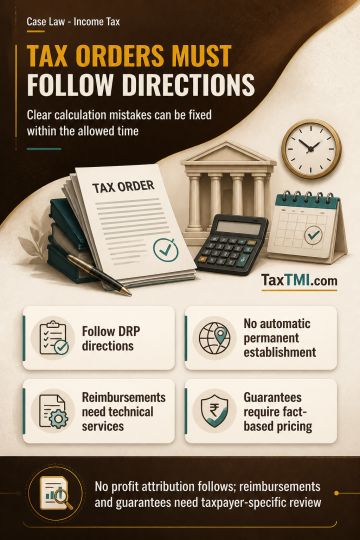
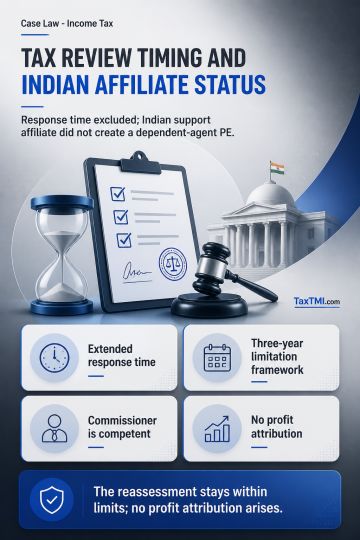
Supervisory permanent establishment requires project-wise duration and qualifying construction nexus; offshore supplies and salary reimbursements rema...
The CESTAT allowed the appeal against the imposition of redemption fine u/s 125 of the Customs Act, 1962. The Tribunal held that when the exported goods are unavailable, confiscation cannot be ordered, and consequently, no redemption fine can be imposed. The redemption fine is conditional upon the assessee seeking redemption of the confiscated goods by paying the fine. Since the exported rice was unavailable, there was no question of redemption, rendering the redemption fine imposition incorrect and illegal. The matter was remanded to the adjudicating authority for reconsideration.
The CESTAT allowed the appeal against the imposition of redemption fine u/s 125 of the Customs Act, 1962. The Tribunal held that when the exported goods are unavailable, confiscation cannot be ordered, and consequently, no redemption fine can be imposed. The redemption fine is conditional upon the assessee seeking redemption of the confiscated goods by paying the fine. Since the exported rice was unavailable, there was no question of redemption, rendering the redemption fine imposition incorrect and illegal. The matter was remanded to the adjudicating authority for reconsideration.
Note: It is a system-generated summary and is for quick reference only.
 TaxTMI
  TaxTMI
 of 4881