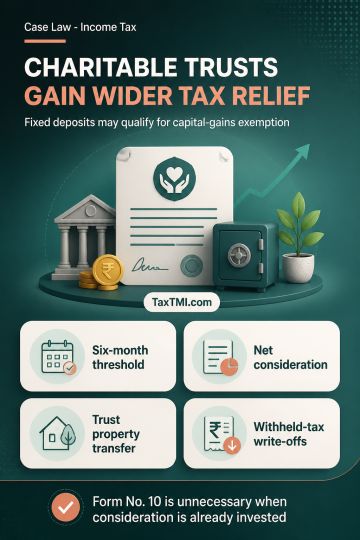
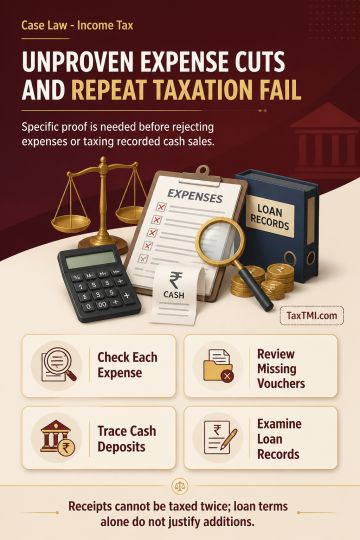
Capital-gains exemption for charitable trusts extends to qualifying fixed deposits, while unrecoverable TDS write-offs may constitute income applicati...
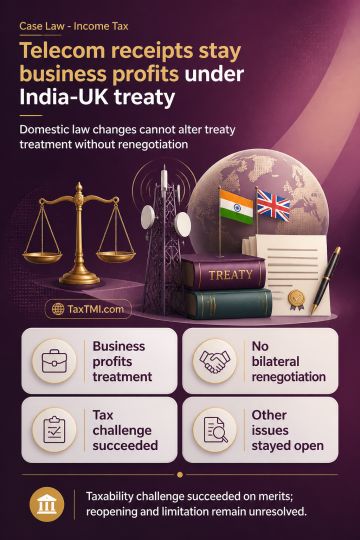
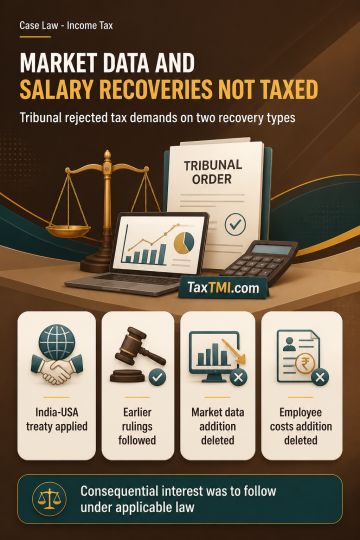
India-UK treaty characterisation of telecom-service receipts as business profits withstands unilateral domestic-law amendments for Indian tax purposes...
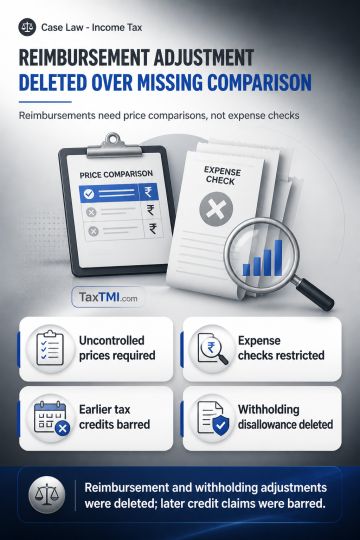
Transfer-pricing reimbursement adjustments require uncontrolled comparables and cannot become expense-genuineness reviews, resulting in deletion of th...
The High Court held that the impugned notices issued for Assessment Years 2009-10 to 2014-15 u/s 153C of the Income Tax Act were valid and not time-barred. The court applied the extended period of 10 years for reassessment proceedings, as the amount of income escaping assessment exceeded Rs. 50 lakh. The 10-year period was computed from the Assessment Year 2018-19, considering the date when the Assessing Officer recorded satisfaction after receiving the seized material on 23.10.2019. The court harmoniously interpreted Sections 153A and 153C, relying on the Supreme Court's decision in Vikram Sujit Kumar Bhatia, which held the second proviso to Section 153A as clarificatory. Consequently, the notices were upheld as valid within the extended 10-year limitation period.
The High Court held that the impugned notices issued for Assessment Years 2009-10 to 2014-15 u/s 153C of the Income Tax Act were valid and not time-barred. The court applied the extended period of 10 years for reassessment proceedings, as the amount of income escaping assessment exceeded Rs. 50 lakh. The 10-year period was computed from the Assessment Year 2018-19, considering the date when the Assessing Officer recorded satisfaction after receiving the seized material on 23.10.2019. The court harmoniously interpreted Sections 153A and 153C, relying on the Supreme Court's decision in Vikram Sujit Kumar Bhatia, which held the second proviso to Section 153A as clarificatory. Consequently, the notices were upheld as valid within the extended 10-year limitation period.
Note: It is a system-generated summary and is for quick reference only.
 TaxTMI
  TaxTMI
 of 4891