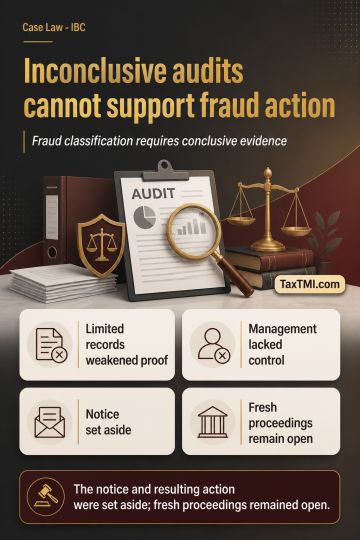
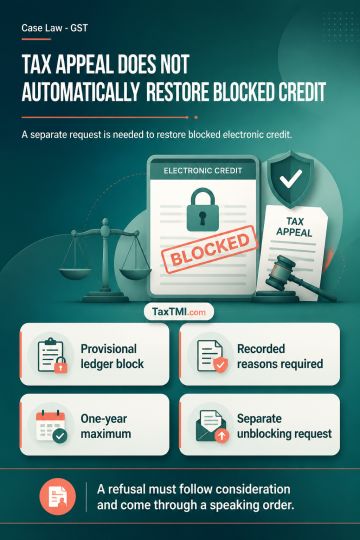
Fraud classification show-cause notices founded on inconclusive forensic audit material cannot sustain action, permitting fresh proceedings on conclus...
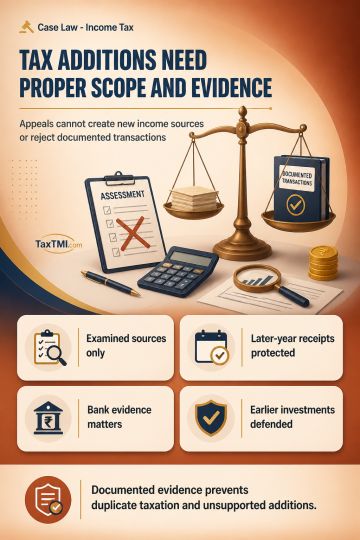
Appellate enhancement limits protect against new income sources, while documented credits and prior-year investments resist unexplained-income additio...
The High Court dismissed the writ petitions challenging the validity of assessment u/s 153C and notices issued u/s 153B of the Income Tax Act. The court held that the starting point of limitation for passing the assessment order u/s 153B is the date when the seized books of account, documents, or assets were handed over to the Assessing Officer having jurisdiction over such person. The previous notices issued to the four transferor companies were void and irrelevant. The limitation period commenced from the date when the incriminating material was handed over to the jurisdictional Assessing Officer, even if time was consumed in centralizing the material. The court found no reason to interfere with the impugned orders and notices issued by the Department.
The High Court dismissed the writ petitions challenging the validity of assessment u/s 153C and notices issued u/s 153B of the Income Tax Act. The court held that the starting point of limitation for passing the assessment order u/s 153B is the date when the seized books of account, documents, or assets were handed over to the Assessing Officer having jurisdiction over such person. The previous notices issued to the four transferor companies were void and irrelevant. The limitation period commenced from the date when the incriminating material was handed over to the jurisdictional Assessing Officer, even if time was consumed in centralizing the material. The court found no reason to interfere with the impugned orders and notices issued by the Department.
Note: It is a system-generated summary and is for quick reference only.
 TaxTMI
  TaxTMI
 of 4891