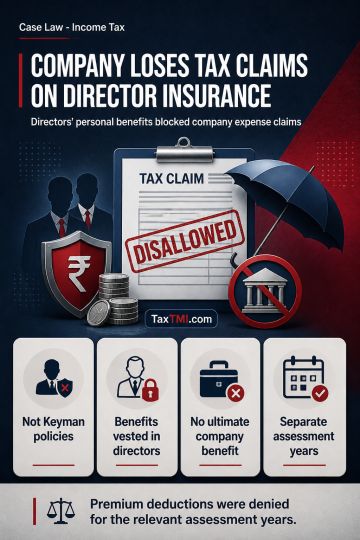
Capital-gains exemption for charitable trusts extends to qualifying fixed deposits, while unrecoverable TDS write-offs may constitute income applicati...
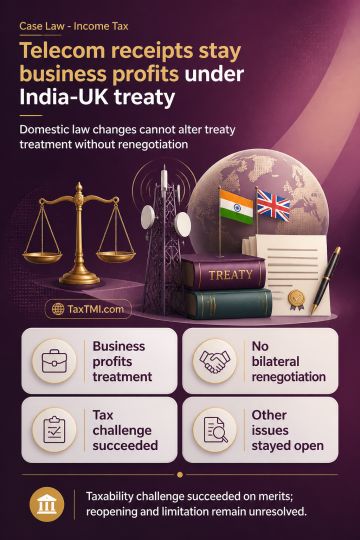
India-UK treaty characterisation of telecom-service receipts as business profits withstands unilateral domestic-law amendments for Indian tax purposes...
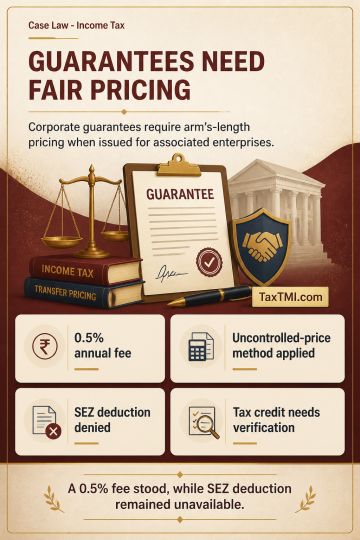
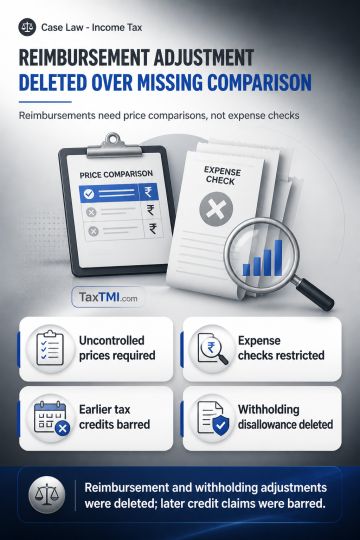
Transfer-pricing reimbursement adjustments require uncontrolled comparables and cannot become expense-genuineness reviews, resulting in deletion of th...
Page of 4881
Press 'Enter' after typing page number.
281 to 300 of 97618 Results
❮
❯
❯❯
0 / 200
Expand Note
Add to Folder
No Folders have been created
+
Are you sure you want to delete "My most important" ?
The Supreme Court dismissed the challenge to the insertion of the words 'socialist' and 'secular' in the Preamble to the Constitution of India by the Constitution (Forty-second Amendment) Act in 1976. The Court held that the terms have achieved widespread acceptance, and their meanings are understood without doubt. The additions have not restricted or impeded legislations or policies pursued by elected governments, provided they did not infringe upon fundamental rights or the basic structure of the Constitution. After nearly 44 years, there is no legitimate cause or justification for challenging this constitutional amendment, and the Court declined to undertake an exhaustive examination, as the constitutional position remains unambiguous.
The Supreme Court dismissed the challenge to the insertion of the words 'socialist' and 'secular' in the Preamble to the Constitution of India by the Constitution (Forty-second Amendment) Act in 1976. The Court held that the terms have achieved widespread acceptance, and their meanings are understood without doubt. The additions have not restricted or impeded legislations or policies pursued by elected governments, provided they did not infringe upon fundamental rights or the basic structure of the Constitution. After nearly 44 years, there is no legitimate cause or justification for challenging this constitutional amendment, and the Court declined to undertake an exhaustive examination, as the constitutional position remains unambiguous.
Note: It is a system-generated summary and is for quick reference only.
 TaxTMI
  TaxTMI
 of 4881