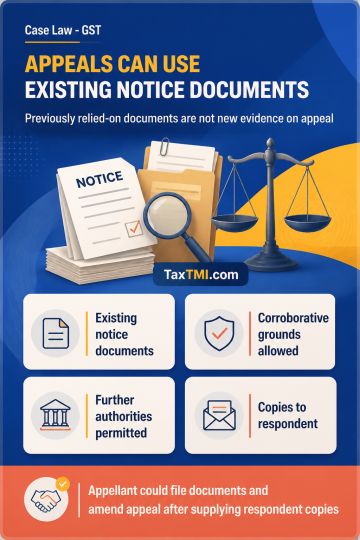
Additional evidence in departmental appeals may include show-cause-notice material without introducing a new case where it merely corroborates existin...
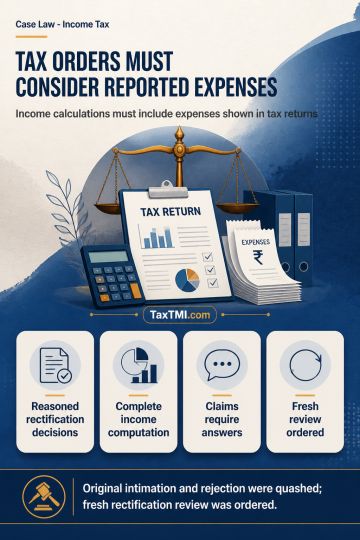
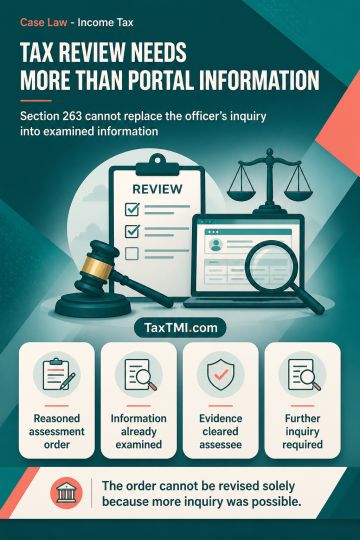
Reasoned rectification orders require consideration of expenditure disclosed in income-tax returns, preventing revision based on incomplete income com...
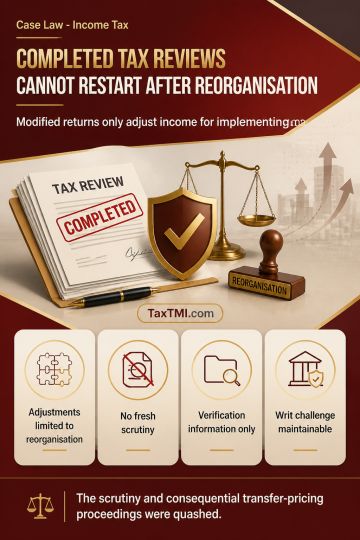
Modified returns after business reorganisations cannot trigger fresh scrutiny once the original assessment was complete, invalidating related transfer...
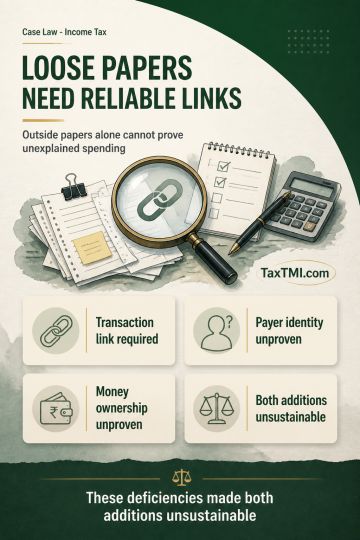
Third-party loose sheets require reliable nexus before supporting unexplained expenditure additions; presumptions do not establish payer identity or o...
TNMM comparability using audited accounts and working-capital adjustments can eliminate unwarranted transfer-pricing additions where verified margins ...
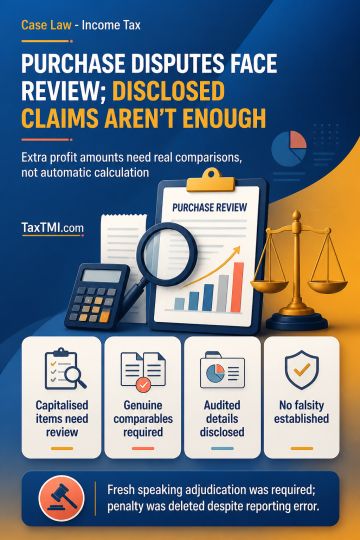
Gross-profit additions on disputed purchases require reasoned appellate determination; disclosed claims alone do not support inaccurate-particulars pe...
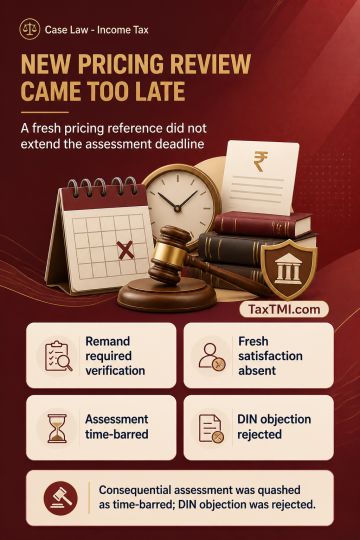
Limitation after transfer-pricing remand: fresh TPO reference did not extend the assessment deadline, rendering the consequential assessment time-barr...
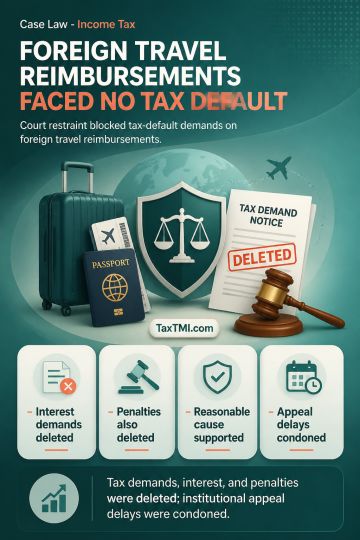
Interim judicial restraint on tax deduction prevents default, while supporting reasonable cause and penalty deletion for foreign-leg LFC reimbursement...
The High Court held that the petitioner is eligible to avail the benefit of the Sabka Vishwas (Legacy Dispute Resolution) Scheme, 2019, as the duty liability was admitted and quantified before June 30, 2019, during the course of investigation. The definition of "quantified" under the scheme does not specify who is required to quantify the amount. The ministry's clarification also stated that duty liability admitted and quantified before June 30, 2019, would be eligible under the scheme. Despite mentioning a higher figure in the application, the petitioner cannot be deprived of the scheme's benefit, especially when the scheme aims to reduce litigation. The High Court directed the respondents to accept the petitioner's application and inform any amount due and payable under the scheme within four weeks.
The High Court held that the petitioner is eligible to avail the benefit of the Sabka Vishwas (Legacy Dispute Resolution) Scheme, 2019, as the duty liability was admitted and quantified before June 30, 2019, during the course of investigation. The definition of "quantified" under the scheme does not specify who is required to quantify the amount. The ministry's clarification also stated that duty liability admitted and quantified before June 30, 2019, would be eligible under the scheme. Despite mentioning a higher figure in the application, the petitioner cannot be deprived of the scheme's benefit, especially when the scheme aims to reduce litigation. The High Court directed the respondents to accept the petitioner's application and inform any amount due and payable under the scheme within four weeks.
Note: It is a system-generated summary and is for quick reference only.
 TaxTMI
  TaxTMI
 of 4894