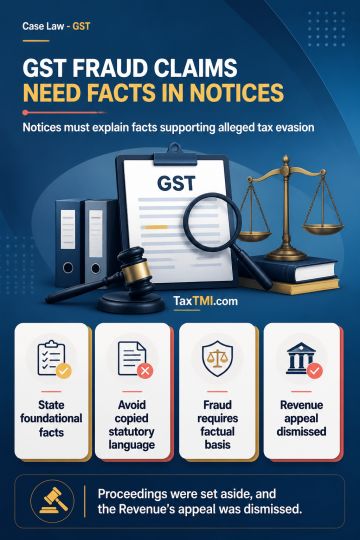
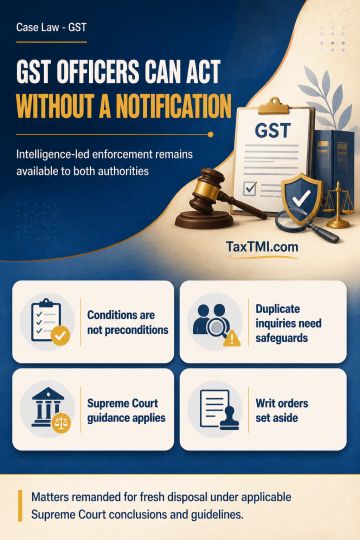
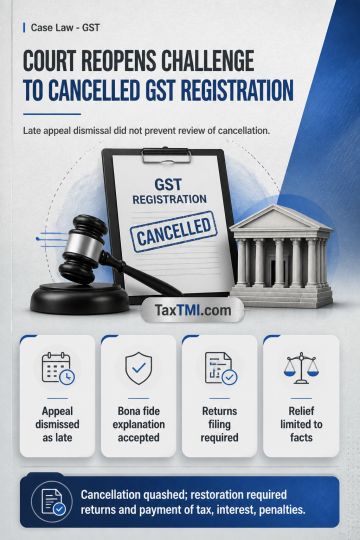
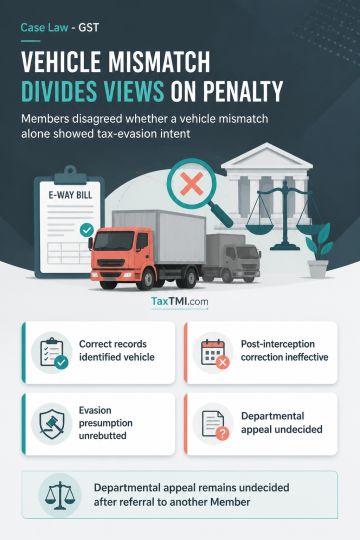
GST cross-empowerment remains effective without conditional notification, while duplicate proceedings require established safeguards against overlappi...
Locus standi of the appellant to prefer the appeal, the applicability of Section 195(1)(b) CrPC, and the correctness of the High Court's order for de novo proceedings against the appellant. The Supreme Court held that the appellant has locus standi as the case involves serious allegations of interference with judicial processes. It ruled that the proceedings were not hit by the bar u/s 195(1)(b) CrPC as the initiation arose from a court order and not a private complaint. Regarding de novo proceedings, the Court stated that the High Court erred in quashing the criminal proceedings and ordering a fresh trial, as the alleged forgery of evidence leading to acquittal warranted further investigation. Consequently, the impugned order was set aside, and the appeal was allowed.
Locus standi of the appellant to prefer the appeal, the applicability of Section 195(1)(b) CrPC, and the correctness of the High Court's order for de novo proceedings against the appellant. The Supreme Court held that the appellant has locus standi as the case involves serious allegations of interference with judicial processes. It ruled that the proceedings were not hit by the bar u/s 195(1)(b) CrPC as the initiation arose from a court order and not a private complaint. Regarding de novo proceedings, the Court stated that the High Court erred in quashing the criminal proceedings and ordering a fresh trial, as the alleged forgery of evidence leading to acquittal warranted further investigation. Consequently, the impugned order was set aside, and the appeal was allowed.
Note: It is a system-generated summary and is for quick reference only.
 TaxTMI
  TaxTMI
 of 4881