Transfer-pricing aggregation of distinct support-service and subcontract transactions was rejected, while debt-free receivables attracted no notional ...
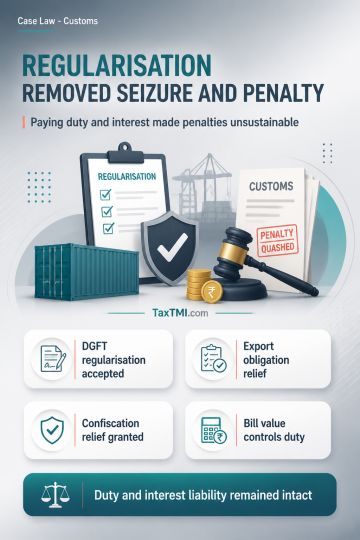
Customs exemptions cover photovoltaic assembly machinery and PVF backsheets, while fully declared cleared imports may avoid confiscation and penalties...
Specific tariff classification for LCD devices overrides treatment as electricity-meter parts, defeating differential duty, extended limitation, and p...
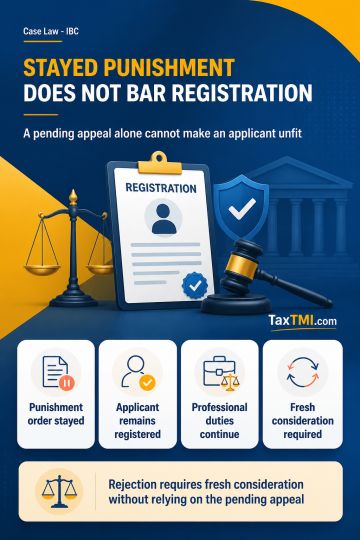
Stayed disciplinary punishment does not establish unfitness for insolvency professional registration; reconsideration must disregard mere pendency of ...
Locus standi of the appellant to prefer the appeal, the applicability of Section 195(1)(b) CrPC, and the correctness of the High Court's order for de novo proceedings against the appellant. The Supreme Court held that the appellant has locus standi as the case involves serious allegations of interference with judicial processes. It ruled that the proceedings were not hit by the bar u/s 195(1)(b) CrPC as the initiation arose from a court order and not a private complaint. Regarding de novo proceedings, the Court stated that the High Court erred in quashing the criminal proceedings and ordering a fresh trial, as the alleged forgery of evidence leading to acquittal warranted further investigation. Consequently, the impugned order was set aside, and the appeal was allowed.
Locus standi of the appellant to prefer the appeal, the applicability of Section 195(1)(b) CrPC, and the correctness of the High Court's order for de novo proceedings against the appellant. The Supreme Court held that the appellant has locus standi as the case involves serious allegations of interference with judicial processes. It ruled that the proceedings were not hit by the bar u/s 195(1)(b) CrPC as the initiation arose from a court order and not a private complaint. Regarding de novo proceedings, the Court stated that the High Court erred in quashing the criminal proceedings and ordering a fresh trial, as the alleged forgery of evidence leading to acquittal warranted further investigation. Consequently, the impugned order was set aside, and the appeal was allowed.
Note: It is a system-generated summary and is for quick reference only.
 TaxTMI
  TaxTMI
 of 4891