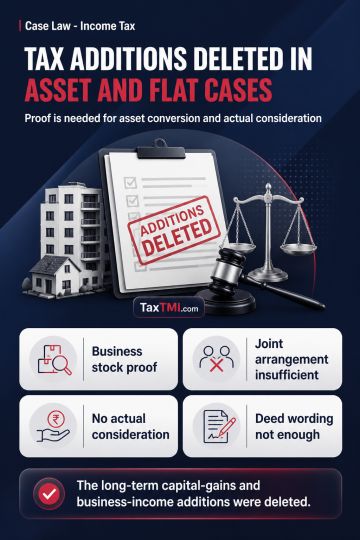
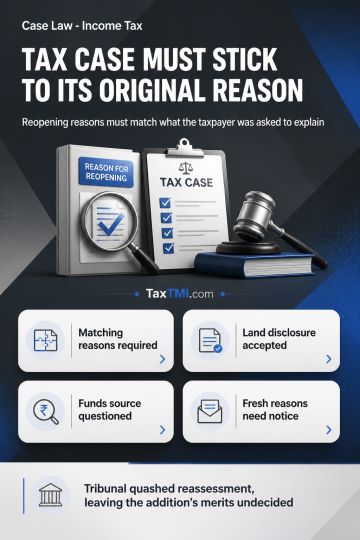
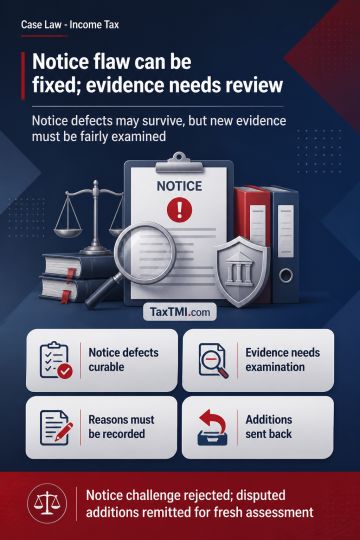
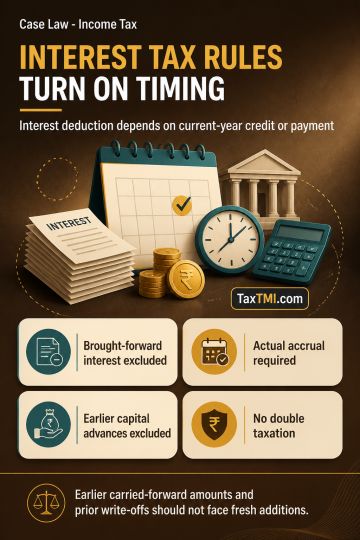
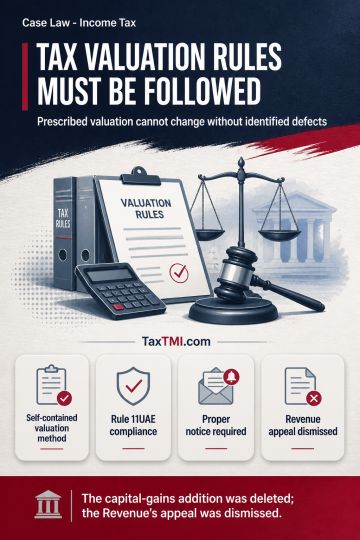
Capital Asset Conversion Requires Proven Business Stock Treatment; Paper Consideration in Spousal Flat Transfers Does Not Create Taxable Business Inco...
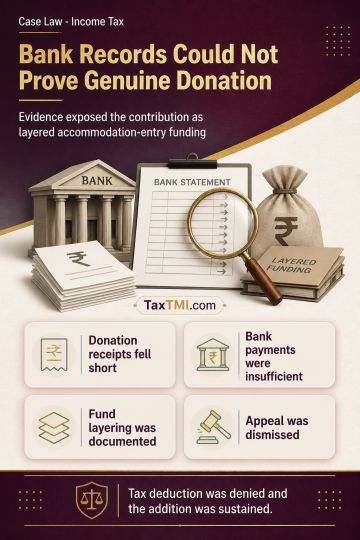
Human-probability test defeats political donation deduction where banking records mask accommodation-entry fund layering and evidence shows non-genuin...
Commercial property status protects capital-gains exemption when residential-house ownership limits are tested, while agricultural-land character gove...
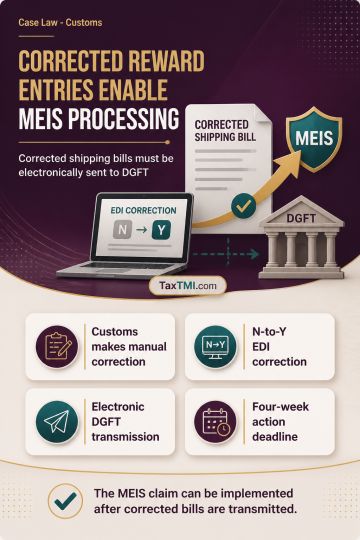
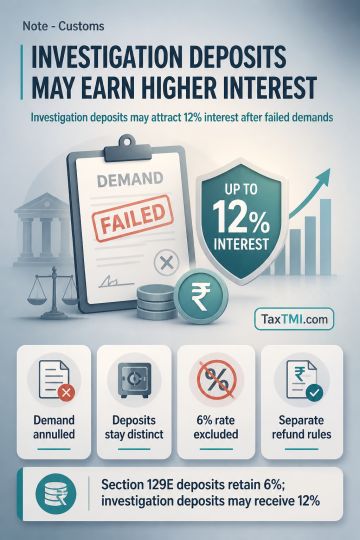
Investigation deposits refunded after failed customs demands fall outside the statutory appellate pre-deposit interest regime and may attract compensa...
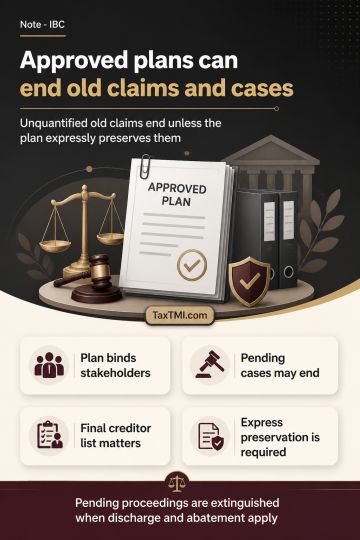
Resolution plan finality extinguishes unquantified operational-creditor claims and pending proceedings unless the approved plan expressly preserves th...
Page of 4897
Press 'Enter' after typing page number.
661 to 680 of 97923 Results
❮
❯
❯❯
0 / 200
Expand Note
Add to Folder
No Folders have been created
+
Are you sure you want to delete "My most important" ?
The High Court held that the Assessing Officer cannot disallow losses merely based on assumptions and surmises regarding the commercial expediency of transactions undertaken by the assessee. The transaction for sale and purchase of dies was a pure commercial transaction entered into by the assessee in its commercial wisdom, and the fact that the assessee incurred a loss in the said transaction was not disputed. There was no allegation of any undisclosed consideration or clandestine transaction to reverse the loss. The Assessing Officer made the addition solely based on their perception of what was commercially expedient, which is not within their purview. The assessee had justified its commercial decision by reflecting enhanced turnover and profits from its business, but even if profits were not earned, it would not make a difference, as the examination is limited to whether the transactions were genuine, not whether they were commercially expedient. The High Court found no material other than suspicion to justify the addition and decided in favor of the assessee.
The High Court held that the Assessing Officer cannot disallow losses merely based on assumptions and surmises regarding the commercial expediency of transactions undertaken by the assessee. The transaction for sale and purchase of dies was a pure commercial transaction entered into by the assessee in its commercial wisdom, and the fact that the assessee incurred a loss in the said transaction was not disputed. There was no allegation of any undisclosed consideration or clandestine transaction to reverse the loss. The Assessing Officer made the addition solely based on their perception of what was commercially expedient, which is not within their purview. The assessee had justified its commercial decision by reflecting enhanced turnover and profits from its business, but even if profits were not earned, it would not make a difference, as the examination is limited to whether the transactions were genuine, not whether they were commercially expedient. The High Court found no material other than suspicion to justify the addition and decided in favor of the assessee.
Note: It is a system-generated summary and is for quick reference only.
 TaxTMI
  TaxTMI
 of 4897