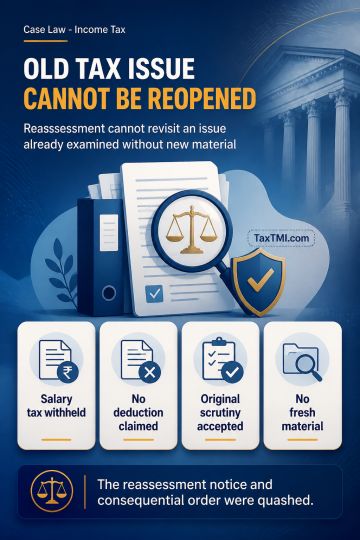
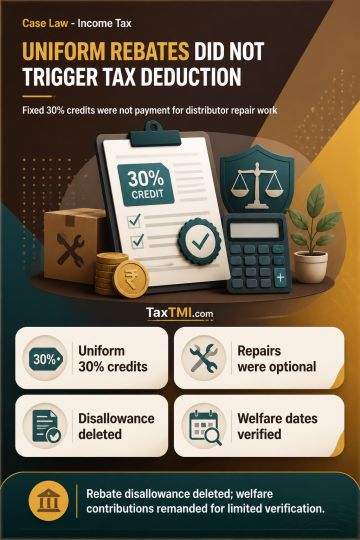
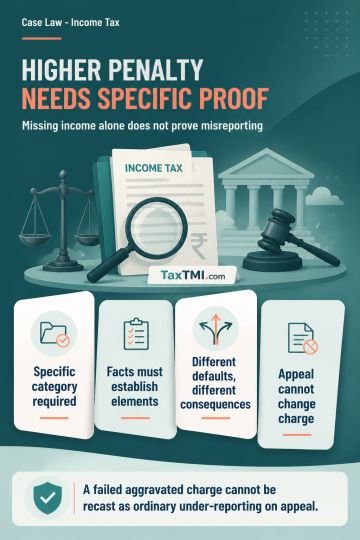
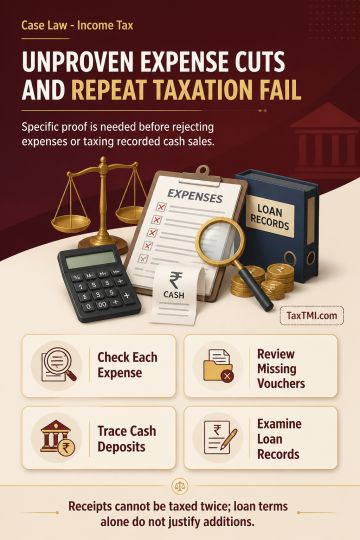
Capital-gains exemption for charitable trusts extends to qualifying fixed deposits, while unrecoverable TDS write-offs may constitute income applicati...
India-UK treaty characterisation of telecom-service receipts as business profits withstands unilateral domestic-law amendments for Indian tax purposes...
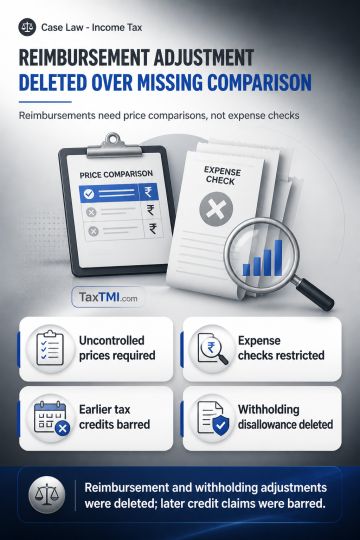
Transfer-pricing reimbursement adjustments require uncontrolled comparables and cannot become expense-genuineness reviews, resulting in deletion of th...
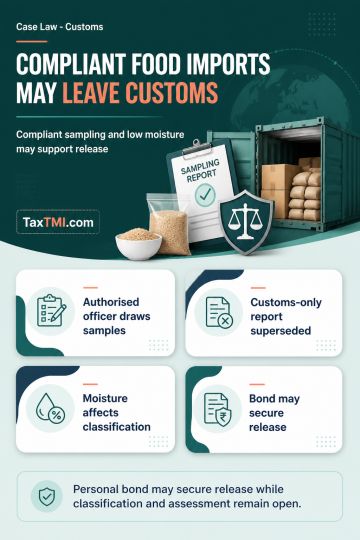
Food import sampling requirements support provisional release where unseized consignments conform to standards and raw areca classification is unestab...
Addition u/s 56(2)(x) relates to joint ownership of property. If the consideration amount is fixed on the agreement date but registration occurs later, the stamp duty value on the agreement date should be considered. However, this applies only when the consideration is paid through banking channels before registration. In the present case, payments were made through proper channels before registration. Although the allotment letter is not a registered agreement, it contains agreed terms and conditions, making it covered under the proviso to section 56(2)(x). Since the assessee agreed to purchase the under-construction property in 2016 through the allotment letter and made payments before registration, the stamp duty value on the allotment date should be treated as the value for section 56(2)(x). The stamp duty value on the allotment date was within the 10% tolerance limit compared to the agreement value, so no addition is required u/s 56(2)(x) for the assessee or their spouse.
Addition u/s 56(2)(x) relates to joint ownership of property. If the consideration amount is fixed on the agreement date but registration occurs later, the stamp duty value on the agreement date should be considered. However, this applies only when the consideration is paid through banking channels before registration. In the present case, payments were made through proper channels before registration. Although the allotment letter is not a registered agreement, it contains agreed terms and conditions, making it covered under the proviso to section 56(2)(x). Since the assessee agreed to purchase the under-construction property in 2016 through the allotment letter and made payments before registration, the stamp duty value on the allotment date should be treated as the value for section 56(2)(x). The stamp duty value on the allotment date was within the 10% tolerance limit compared to the agreement value, so no addition is required u/s 56(2)(x) for the assessee or their spouse.
Note: It is a system-generated summary and is for quick reference only.
 TaxTMI
  TaxTMI
 of 4896