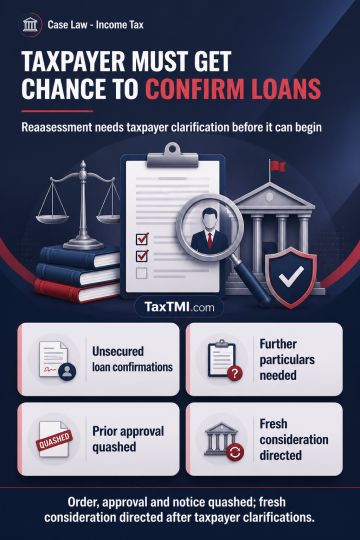
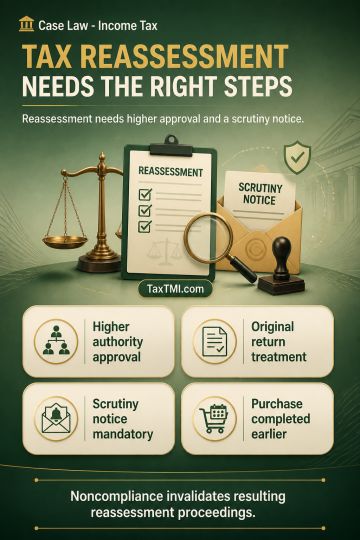
Opportunity to furnish unsecured-loan confirmations is required before reassessment initiation; proceedings require fresh consideration after taxpayer...
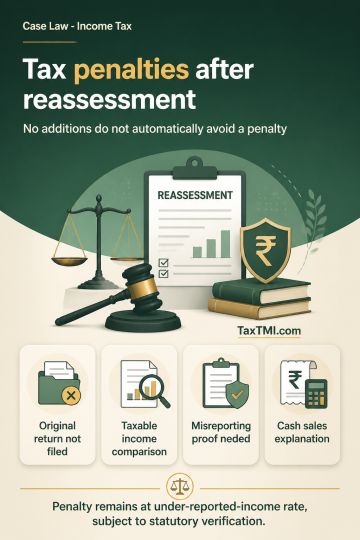
Under-reporting on a first reassessment return attracts penalty, while enhanced misreporting penalty requires proof of a statutory misreporting catego...
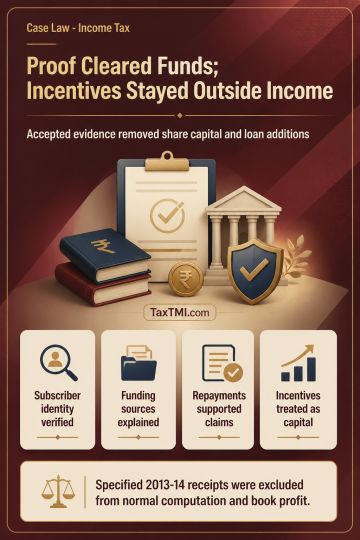
The court held that the sum received under the co-marketing agreement was a capital receipt, not a revenue receipt. The intention of the parties gathered from the agreement's language is crucial. The Supreme Court's test distinguishes capital receipts that impair the trading structure or income source from revenue receipts that are normal business incidents. The agreement was a negative/restrictive covenant where the payment compensated for surrendering rights in capital assets like patents and trademarks. This impaired the profit-making apparatus, making it a capital receipt. The Tribunal's finding based on evidence appreciation cannot be termed perverse, and the High Court cannot interfere with factual findings unless demonstrated as perverse.
The court held that the sum received under the co-marketing agreement was a capital receipt, not a revenue receipt. The intention of the parties gathered from the agreement's language is crucial. The Supreme Court's test distinguishes capital receipts that impair the trading structure or income source from revenue receipts that are normal business incidents. The agreement was a negative/restrictive covenant where the payment compensated for surrendering rights in capital assets like patents and trademarks. This impaired the profit-making apparatus, making it a capital receipt. The Tribunal's finding based on evidence appreciation cannot be termed perverse, and the High Court cannot interfere with factual findings unless demonstrated as perverse.
Note: It is a system-generated summary and is for quick reference only.
 TaxTMI
  TaxTMI
 of 4915