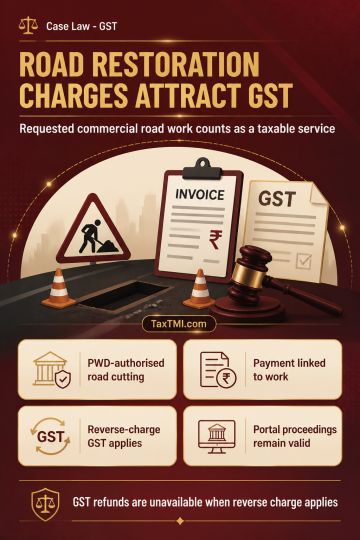
Road restoration charges constitute taxable services when requested for commercial pipeline activity, requiring reverse-charge GST from the business r...
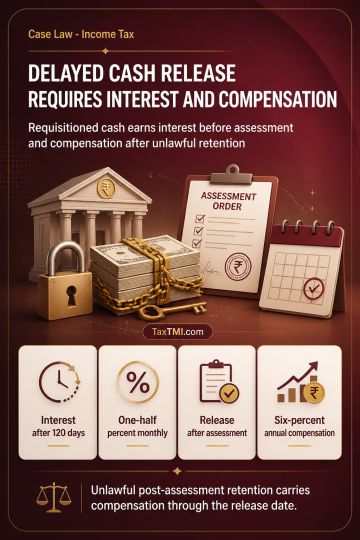
Interest on delayed release of requisitioned cash includes statutory pre-assessment interest and restitutionary compensation for unlawful post-assessm...
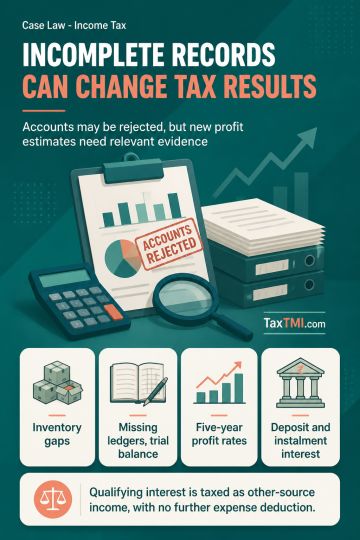
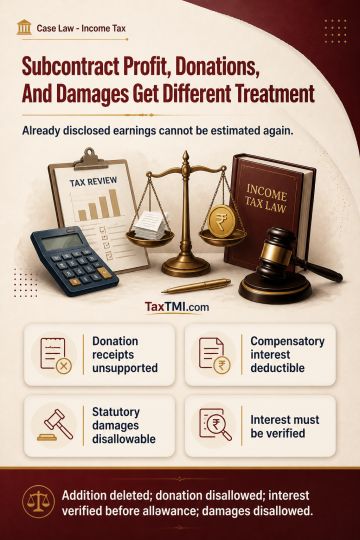
Incomplete inventory records justify rejecting accounts, while profit estimation requires relevant comparable material and interest falls under other ...
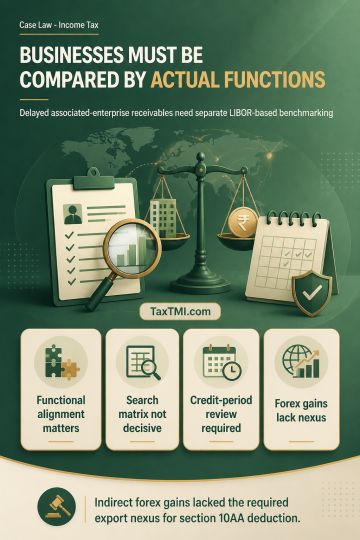
Transfer-pricing comparability requires functional alignment; delayed associated-enterprise receivables need separate LIBOR-based benchmarking, while ...
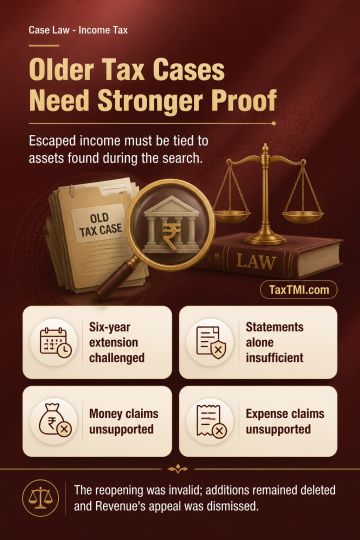
Extended reassessment limitation in search cases requires asset-linked escaped income, invalidating additions based only on unexplained money or expen...
Enhanced tolerance band under section 43CA applies retrospectively, deleting qualifying deemed-sale additions while disputed stamp valuation requires ...
The court held that the sum received under the co-marketing agreement was a capital receipt, not a revenue receipt. The intention of the parties gathered from the agreement's language is crucial. The Supreme Court's test distinguishes capital receipts that impair the trading structure or income source from revenue receipts that are normal business incidents. The agreement was a negative/restrictive covenant where the payment compensated for surrendering rights in capital assets like patents and trademarks. This impaired the profit-making apparatus, making it a capital receipt. The Tribunal's finding based on evidence appreciation cannot be termed perverse, and the High Court cannot interfere with factual findings unless demonstrated as perverse.
The court held that the sum received under the co-marketing agreement was a capital receipt, not a revenue receipt. The intention of the parties gathered from the agreement's language is crucial. The Supreme Court's test distinguishes capital receipts that impair the trading structure or income source from revenue receipts that are normal business incidents. The agreement was a negative/restrictive covenant where the payment compensated for surrendering rights in capital assets like patents and trademarks. This impaired the profit-making apparatus, making it a capital receipt. The Tribunal's finding based on evidence appreciation cannot be termed perverse, and the High Court cannot interfere with factual findings unless demonstrated as perverse.
Note: It is a system-generated summary and is for quick reference only.
 TaxTMI
 TaxTMI

 of 4920