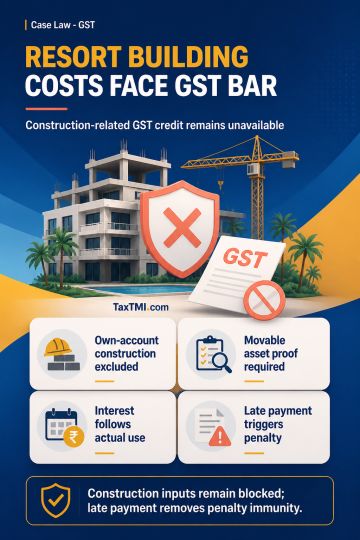
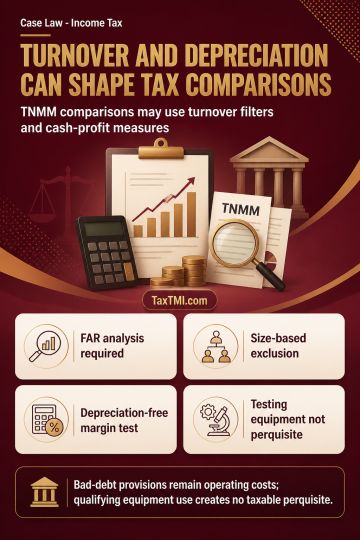
Blocked input tax credit for resort construction remains unavailable; interest follows actual utilisation, while delayed payment attracts statutory pe...
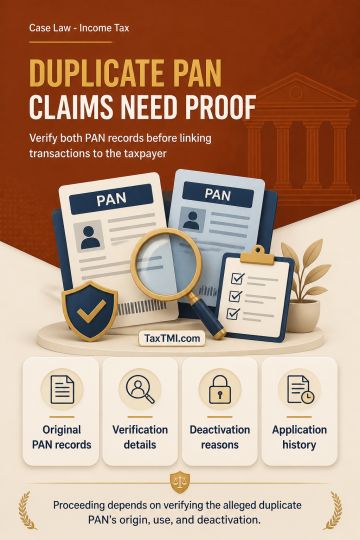
Duplicate PAN allocation requires record verification and deactivation reasons before assessment-related transactions can be attributed to an assessee...
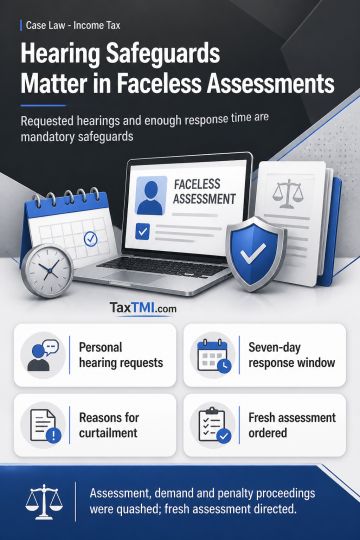
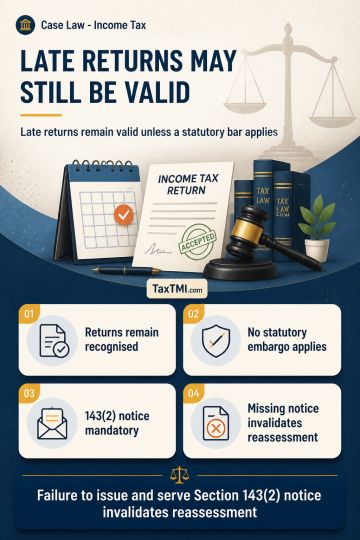
Faceless assessment safeguards require requested personal hearings and adequate final show-cause response time, failing which reassessment is required...
The respondent's services rendered to their parent company in the USA are classified as an 'intermediary service' or 'export service'. The basic requirement for an intermediary is the presence of at least three parties, where the intermediary arranges or facilitates the supply of goods or services between two or more other persons but does not provide the main supply. The case is similar to an illustration where a BPO firm provides customer care services to a manufacturer by interacting with the manufacturer's customers, charging the manufacturer for this service. The BPO firm is involved in supplying the main service of customer care to the manufacturer and is not an intermediary. Therefore, the respondent's services are not considered an intermediary service, and the Revenue's appeal lacks merit.
The respondent's services rendered to their parent company in the USA are classified as an 'intermediary service' or 'export service'. The basic requirement for an intermediary is the presence of at least three parties, where the intermediary arranges or facilitates the supply of goods or services between two or more other persons but does not provide the main supply. The case is similar to an illustration where a BPO firm provides customer care services to a manufacturer by interacting with the manufacturer's customers, charging the manufacturer for this service. The BPO firm is involved in supplying the main service of customer care to the manufacturer and is not an intermediary. Therefore, the respondent's services are not considered an intermediary service, and the Revenue's appeal lacks merit.
Note: It is a system-generated summary and is for quick reference only.
 TaxTMI
  TaxTMI
 of 4888