Mandatory textile export qualifiers distinguish flame-retardant fabrics from other listed fabrics for automated identification under the textiles ince...
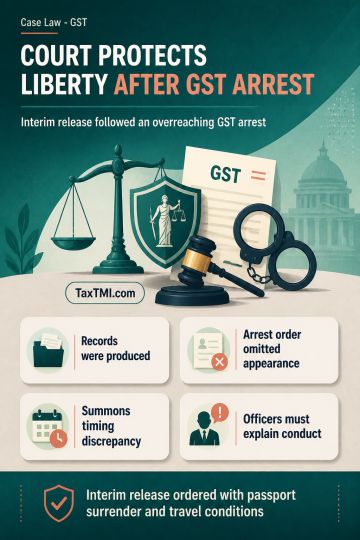
Personal liberty safeguards restrict arrest after court-directed GST appearance, requiring interim release where authorities overreach pending proceed...
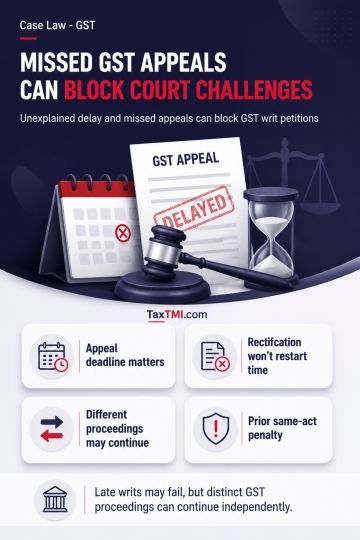
Alternative statutory remedy and delay bar GST writ challenges despite pending rectification, while distinct subject matter permits parallel proceedin...
The assessee, acting as a broker and intermediary, facilitated commodity transactions on the National Spot Exchange (NSEL) platform on behalf of clients. The transactions were carried out under the guise of commodity trading without ensuring actual delivery. The Revenue sought to treat the profits earned by the assessee as interest income, invoking TDS provisions u/s 194A. However, the Tribunal held that Section 194A cannot be invoked against the assessee as it was not responsible for paying interest to the clients. The assessee's role was limited to earning brokerage income, which was duly offered for taxation. The Tribunal relied on judicial precedents stating that TDS provisions cannot be applied to intermediaries/agents acting on behalf of clients. Furthermore, a SEBI order placed the primary responsibility on NSEL, not the brokers. Consequently, the Tribunal upheld the CIT(A)'s order, dismissing the Revenue's grounds regarding TDS u/s 194A.
The assessee, acting as a broker and intermediary, facilitated commodity transactions on the National Spot Exchange (NSEL) platform on behalf of clients. The transactions were carried out under the guise of commodity trading without ensuring actual delivery. The Revenue sought to treat the profits earned by the assessee as interest income, invoking TDS provisions u/s 194A. However, the Tribunal held that Section 194A cannot be invoked against the assessee as it was not responsible for paying interest to the clients. The assessee's role was limited to earning brokerage income, which was duly offered for taxation. The Tribunal relied on judicial precedents stating that TDS provisions cannot be applied to intermediaries/agents acting on behalf of clients. Furthermore, a SEBI order placed the primary responsibility on NSEL, not the brokers. Consequently, the Tribunal upheld the CIT(A)'s order, dismissing the Revenue's grounds regarding TDS u/s 194A.
Note: It is a system-generated summary and is for quick reference only.
 TaxTMI
  TaxTMI
 of 4881