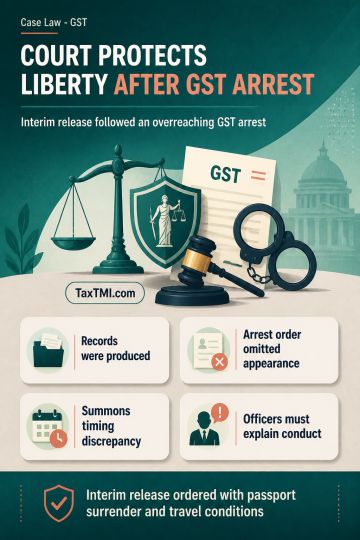
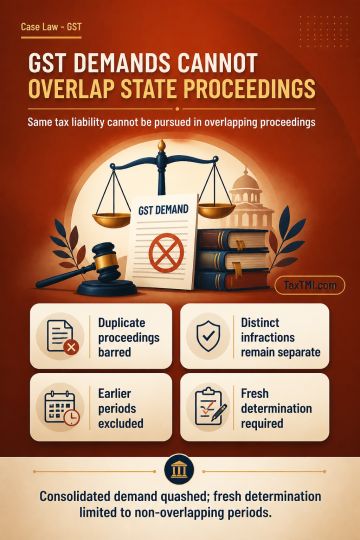
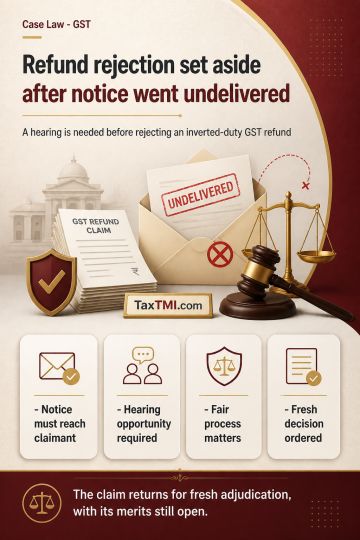
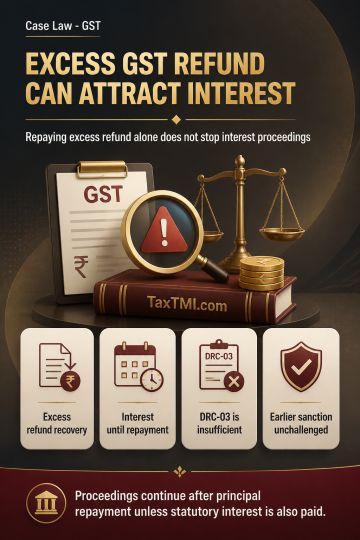
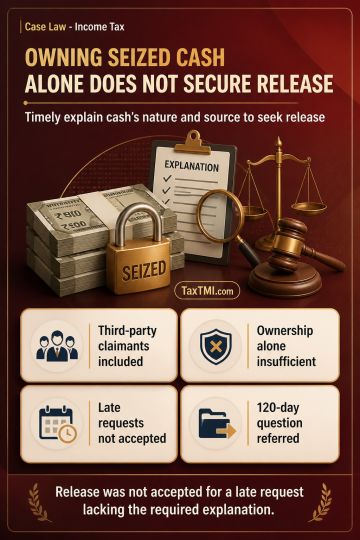
Personal liberty safeguards restrict arrest after court-directed GST appearance, requiring interim release where authorities overreach pending proceed...
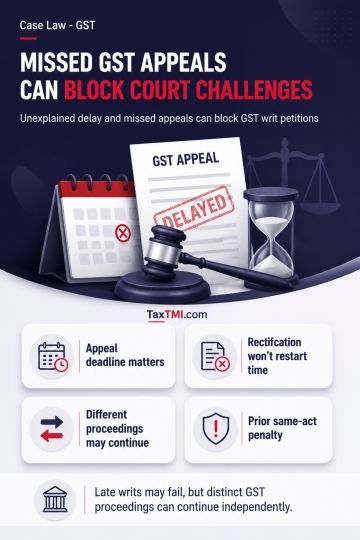
Alternative statutory remedy and delay bar GST writ challenges despite pending rectification, while distinct subject matter permits parallel proceedin...
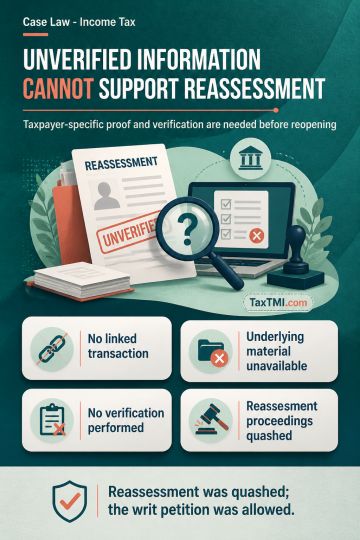
Unverified Insight Portal Information Cannot Justify Reassessment Without a Verified Taxpayer-Specific Income-Escape Nexus or Demonstrated Application...
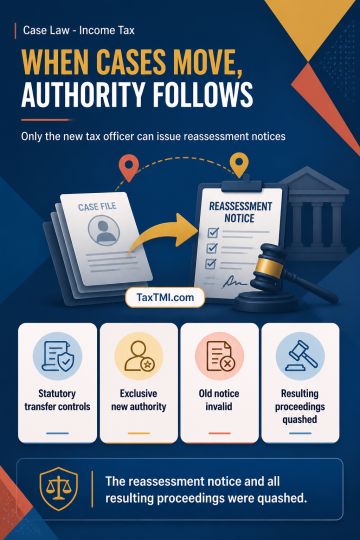
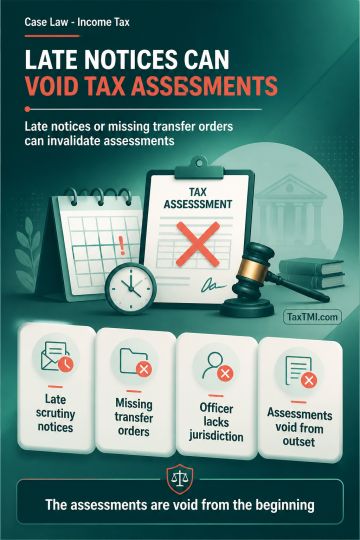
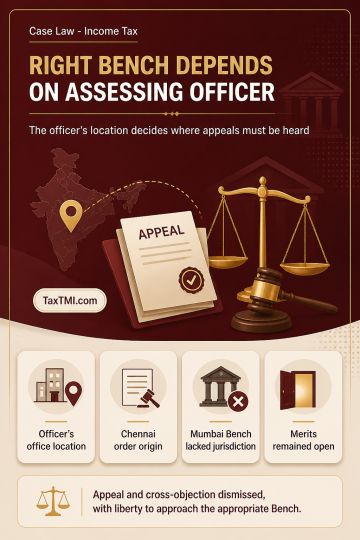
Assessing Officer jurisdiction after statutory transfer invalidates reassessment notices issued by transferor officers and nullifies resulting proceed...
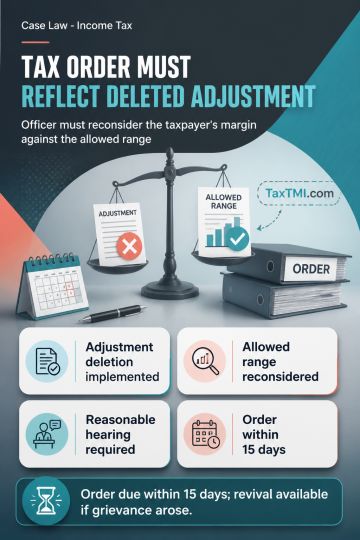
Consequential appeal-effect orders must implement rectification deleting working-capital adjustments and reconsider the resulting arm's-length range c...
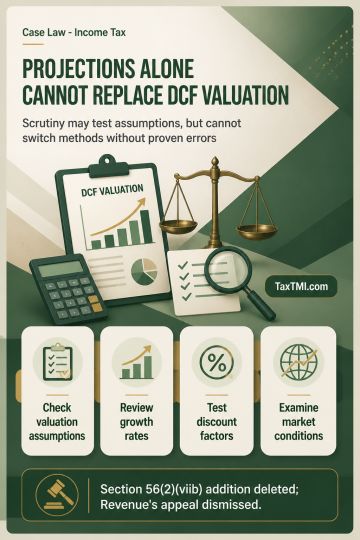
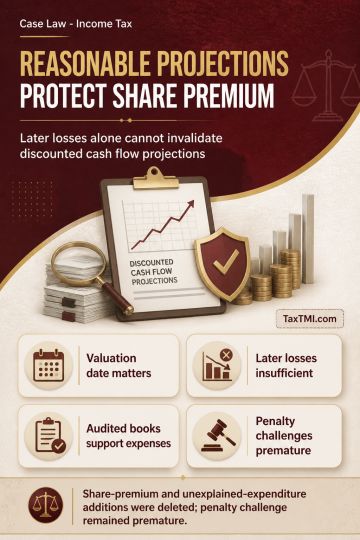
Discounted cash flow valuation protects share premium where projections are reasonable, while audited book expenses defeat unexplained-expenditure add...
Refund claim was rejected as time-barred, having been filed beyond the one-year limitation period stipulated u/s 27 of the Customs Act, 1962. The appellant had inadvertently paid customs duty twice due to an ICEGATE error, resulting in double payment. The refund sanctioning authority held the refund claim as time-barred since it was not filed within one year from the date of duty payment. The key issue was whether the excess amount paid constituted a duty or a deposit, determining the applicability of Section 27's limitation period. The CESTAT upheld the rejection, ruling that barring unconstitutional levies, all refund claims must comply with statutory provisions, including limitation periods. The excess payment, though inadvertent, was in the nature of duty, not a deposit or illegal levy, and thus subject to Section 27's limitation. Tribunals, being statutory creatures, must function within the legislative framework.
Refund claim was rejected as time-barred, having been filed beyond the one-year limitation period stipulated u/s 27 of the Customs Act, 1962. The appellant had inadvertently paid customs duty twice due to an ICEGATE error, resulting in double payment. The refund sanctioning authority held the refund claim as time-barred since it was not filed within one year from the date of duty payment. The key issue was whether the excess amount paid constituted a duty or a deposit, determining the applicability of Section 27's limitation period. The CESTAT upheld the rejection, ruling that barring unconstitutional levies, all refund claims must comply with statutory provisions, including limitation periods. The excess payment, though inadvertent, was in the nature of duty, not a deposit or illegal levy, and thus subject to Section 27's limitation. Tribunals, being statutory creatures, must function within the legislative framework.
Note: It is a system-generated summary and is for quick reference only.
 TaxTMI
  TaxTMI
 of 4897