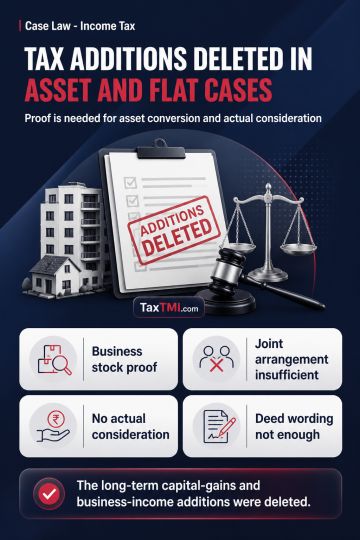
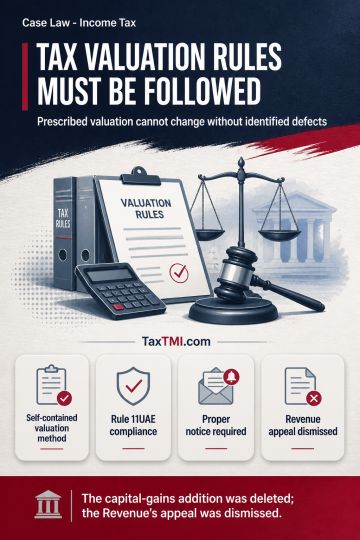
Capital Asset Conversion Requires Proven Business Stock Treatment; Paper Consideration in Spousal Flat Transfers Does Not Create Taxable Business Inco...
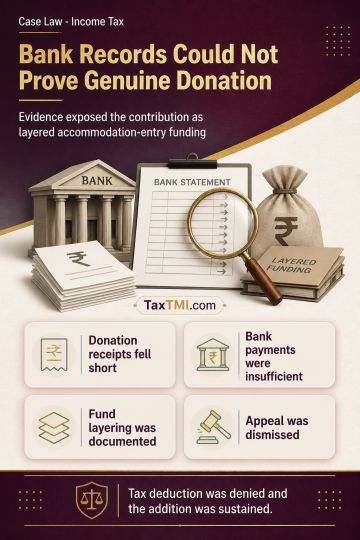
Human-probability test defeats political donation deduction where banking records mask accommodation-entry fund layering and evidence shows non-genuin...
Commercial property status protects capital-gains exemption when residential-house ownership limits are tested, while agricultural-land character gove...
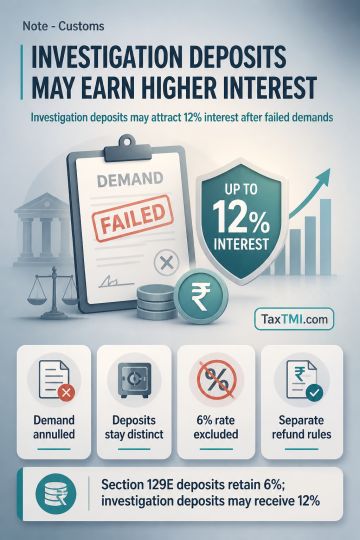
Investigation deposits refunded after failed customs demands fall outside the statutory appellate pre-deposit interest regime and may attract compensa...
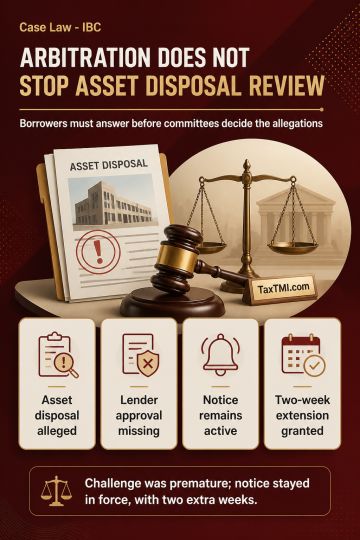
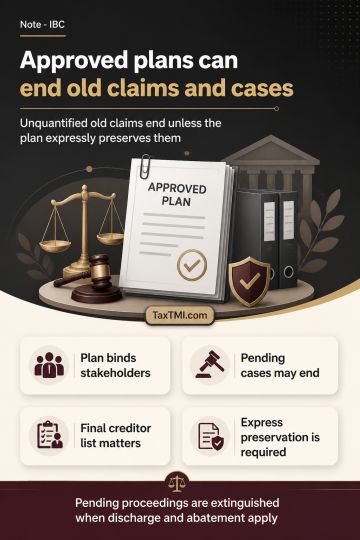
Resolution plan finality extinguishes unquantified operational-creditor claims and pending proceedings unless the approved plan expressly preserves th...
The appellant had initially exported Indian tea to Netherlands, which was rejected and recalled to India. Upon re-importation, no DEPB claim was advanced. The goods were then imported against a Bill of Entry dated 17.03.2005 for re-export, claiming the benefit of Notification No.158/95. After processing, the goods were re-exported within the prescribed period under the said Notification, with proper declarations in the shipping bills. The allegation of non-compliance with procedures in identifying goods at the time of export or producing relevant reprocessing certificates was found unsustainable. The appellant was entitled to the benefit of Notification No.94/96-Cus. The Supreme Court's decision in Share Medical Care Vs. UOI established that an applicant is not barred from claiming the benefit of a notification at a later stage. Consequently, the impugned order demanding duty on the re-exported goods was set aside, and the appeal was allowed with consequential relief.
The appellant had initially exported Indian tea to Netherlands, which was rejected and recalled to India. Upon re-importation, no DEPB claim was advanced. The goods were then imported against a Bill of Entry dated 17.03.2005 for re-export, claiming the benefit of Notification No.158/95. After processing, the goods were re-exported within the prescribed period under the said Notification, with proper declarations in the shipping bills. The allegation of non-compliance with procedures in identifying goods at the time of export or producing relevant reprocessing certificates was found unsustainable. The appellant was entitled to the benefit of Notification No.94/96-Cus. The Supreme Court's decision in Share Medical Care Vs. UOI established that an applicant is not barred from claiming the benefit of a notification at a later stage. Consequently, the impugned order demanding duty on the re-exported goods was set aside, and the appeal was allowed with consequential relief.
Note: It is a system-generated summary and is for quick reference only.
 TaxTMI
  TaxTMI
 of 4891