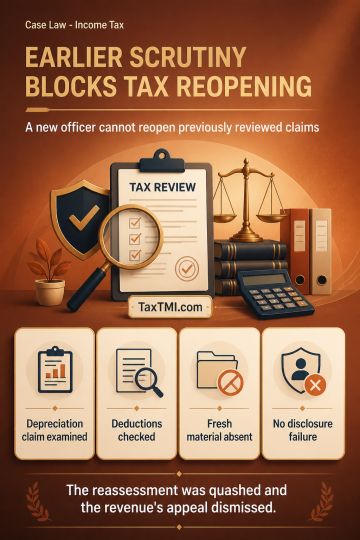
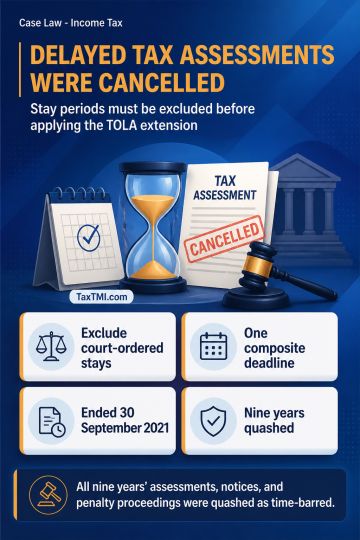
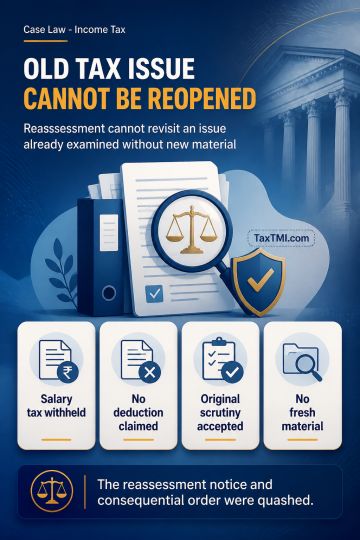
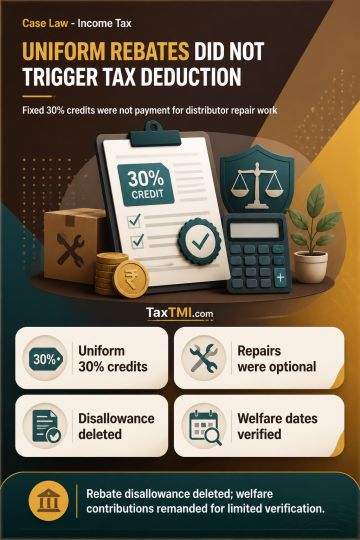
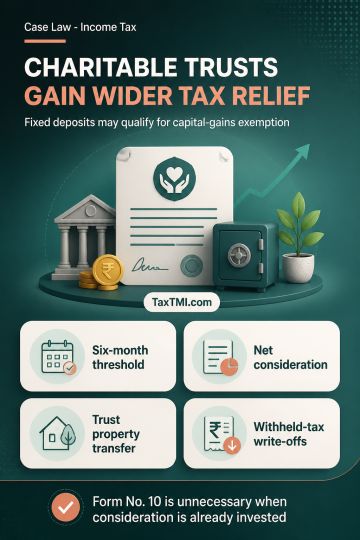
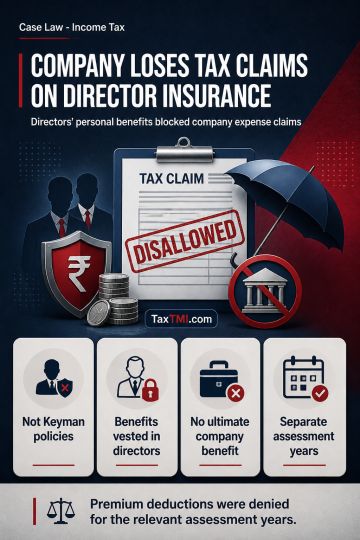
Capital-gains exemption for charitable trusts extends to qualifying fixed deposits, while unrecoverable TDS write-offs may constitute income applicati...
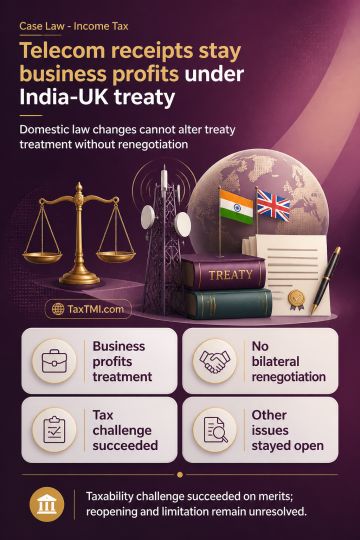
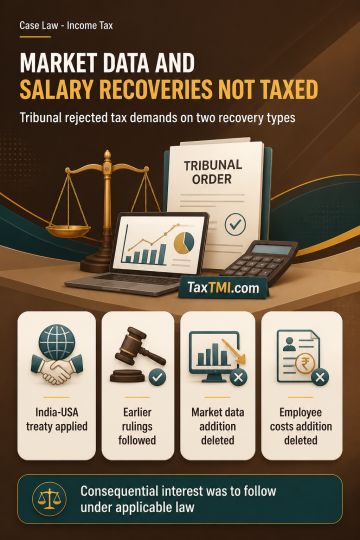
India-UK treaty characterisation of telecom-service receipts as business profits withstands unilateral domestic-law amendments for Indian tax purposes...
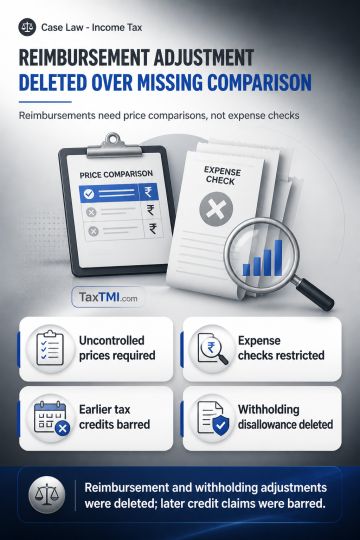
Transfer-pricing reimbursement adjustments require uncontrolled comparables and cannot become expense-genuineness reviews, resulting in deletion of th...
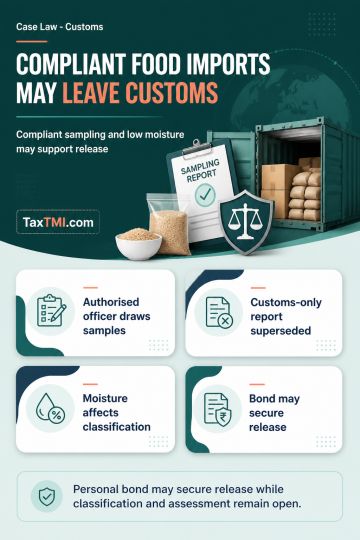
Food import sampling requirements support provisional release where unseized consignments conform to standards and raw areca classification is unestab...
Page of 4891
Press 'Enter' after typing page number.
481 to 500 of 97809 Results
❮
❯
❯❯
0 / 200
Expand Note
Add to Folder
No Folders have been created
+
Are you sure you want to delete "My most important" ?
The appellant had initially exported Indian tea to Netherlands, which was rejected and recalled to India. Upon re-importation, no DEPB claim was advanced. The goods were then imported against a Bill of Entry dated 17.03.2005 for re-export, claiming the benefit of Notification No.158/95. After processing, the goods were re-exported within the prescribed period under the said Notification, with proper declarations in the shipping bills. The allegation of non-compliance with procedures in identifying goods at the time of export or producing relevant reprocessing certificates was found unsustainable. The appellant was entitled to the benefit of Notification No.94/96-Cus. The Supreme Court's decision in Share Medical Care Vs. UOI established that an applicant is not barred from claiming the benefit of a notification at a later stage. Consequently, the impugned order demanding duty on the re-exported goods was set aside, and the appeal was allowed with consequential relief.
The appellant had initially exported Indian tea to Netherlands, which was rejected and recalled to India. Upon re-importation, no DEPB claim was advanced. The goods were then imported against a Bill of Entry dated 17.03.2005 for re-export, claiming the benefit of Notification No.158/95. After processing, the goods were re-exported within the prescribed period under the said Notification, with proper declarations in the shipping bills. The allegation of non-compliance with procedures in identifying goods at the time of export or producing relevant reprocessing certificates was found unsustainable. The appellant was entitled to the benefit of Notification No.94/96-Cus. The Supreme Court's decision in Share Medical Care Vs. UOI established that an applicant is not barred from claiming the benefit of a notification at a later stage. Consequently, the impugned order demanding duty on the re-exported goods was set aside, and the appeal was allowed with consequential relief.
Note: It is a system-generated summary and is for quick reference only.
 TaxTMI
  TaxTMI
 of 4891