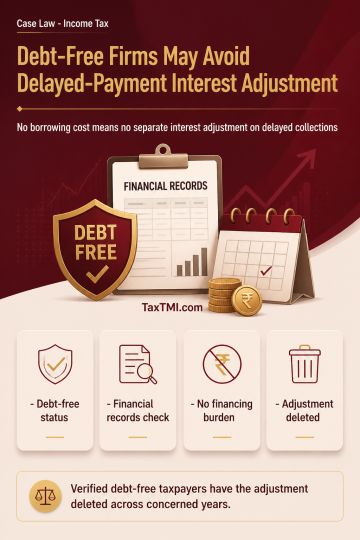
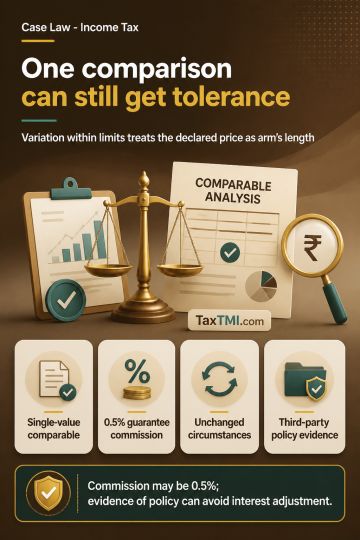
Transfer-pricing aggregation of distinct support-service and subcontract transactions was rejected, while debt-free receivables attracted no notional ...
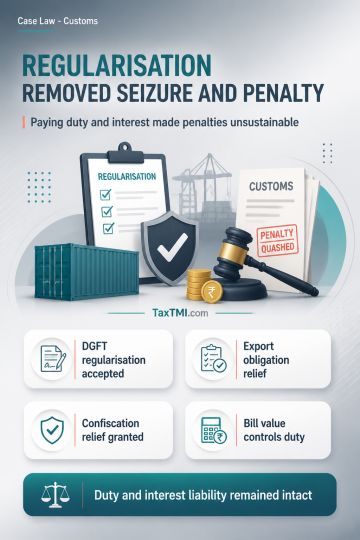
Customs exemptions cover photovoltaic assembly machinery and PVF backsheets, while fully declared cleared imports may avoid confiscation and penalties...
Specific tariff classification for LCD devices overrides treatment as electricity-meter parts, defeating differential duty, extended limitation, and p...
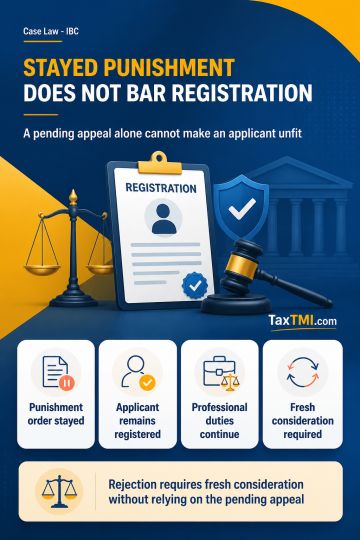
Stayed disciplinary punishment does not establish unfitness for insolvency professional registration; reconsideration must disregard mere pendency of ...
Page of 4897
Press 'Enter' after typing page number.
401 to 420 of 97923 Results
❮
❯
❯❯
0 / 200
Expand Note
Add to Folder
No Folders have been created
+
Are you sure you want to delete "My most important" ?
The NCLAT dismissed the appeal challenging the quashing of the e-auction conducted on 31.01.2024 for the sale of the Corporate Debtor as a going concern and the rejection of the appellant's proposed Scheme of Arrangement u/s 230 of the Companies Act, 2013. The Tribunal held that with the enactment of the IBC, the significance of Section 230(1) in addressing insolvency has diminished. The follow-up process u/s 230(1) is necessary only when the Liquidator fails to sustain the Corporate Debtor as a going concern. Regulation 32A mandates the Liquidator to prioritize selling the Corporate Debtor as a going concern to maximize value. Minor discrepancies during the bid process were deemed inconsequential as the Successful Bidder is operating the Corporate Debtor as a going concern, fulfilling the IBC's objective. The appeal lacked merits and was dismissed.
The NCLAT dismissed the appeal challenging the quashing of the e-auction conducted on 31.01.2024 for the sale of the Corporate Debtor as a going concern and the rejection of the appellant's proposed Scheme of Arrangement u/s 230 of the Companies Act, 2013. The Tribunal held that with the enactment of the IBC, the significance of Section 230(1) in addressing insolvency has diminished. The follow-up process u/s 230(1) is necessary only when the Liquidator fails to sustain the Corporate Debtor as a going concern. Regulation 32A mandates the Liquidator to prioritize selling the Corporate Debtor as a going concern to maximize value. Minor discrepancies during the bid process were deemed inconsequential as the Successful Bidder is operating the Corporate Debtor as a going concern, fulfilling the IBC's objective. The appeal lacked merits and was dismissed.
Note: It is a system-generated summary and is for quick reference only.
 TaxTMI
  TaxTMI
 of 4897