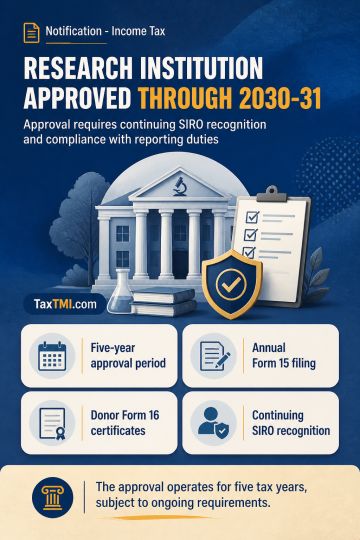
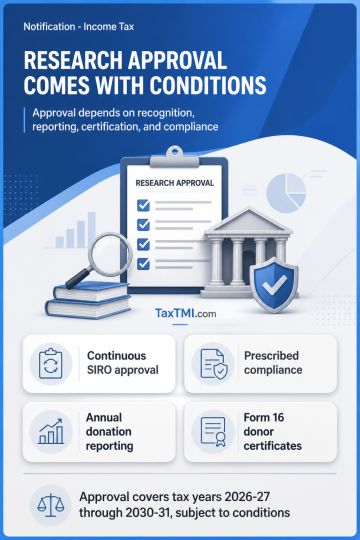
Scientific research institution approval is conditional on SIRO recognition, annual donation reporting, donor certification, and prescribed compliance...
The Committee of Creditors (CoC) with 100% vote share can directly proceed for liquidation of the Corporate Debtor without taking steps for resolution, as the power given to the CoC to decide liquidation is wide and can be exercised immediately after constitution of the CoC. The CoC is not required to complete all resolution steps before liquidation, as the legislative intent allows liquidation "at any time" even before inviting resolution plans. The CoC found no positive signs for revival and good grounds to prolong the CIRP process, considering the Corporate Debtor's unfavorable financial position. The Resolution Professional faced difficulties in obtaining records and information from the suspended management, hindering preparation of the Information Memorandum (IM). The CoC's decision to liquidate was not abrupt, hasty or arbitrary. The Adjudicating Authority cannot adjudicate the merits of the CoC's commercial wisdom to liquidate with requisite majority. No infirmity was found in the Adjudicating Authority's order approving the CoC's liquidation decision, and the appeal was dismissed.
The Committee of Creditors (CoC) with 100% vote share can directly proceed for liquidation of the Corporate Debtor without taking steps for resolution, as the power given to the CoC to decide liquidation is wide and can be exercised immediately after constitution of the CoC. The CoC is not required to complete all resolution steps before liquidation, as the legislative intent allows liquidation "at any time" even before inviting resolution plans. The CoC found no positive signs for revival and good grounds to prolong the CIRP process, considering the Corporate Debtor's unfavorable financial position. The Resolution Professional faced difficulties in obtaining records and information from the suspended management, hindering preparation of the Information Memorandum (IM). The CoC's decision to liquidate was not abrupt, hasty or arbitrary. The Adjudicating Authority cannot adjudicate the merits of the CoC's commercial wisdom to liquidate with requisite majority. No infirmity was found in the Adjudicating Authority's order approving the CoC's liquidation decision, and the appeal was dismissed.
Note: It is a system-generated summary and is for quick reference only.
 TaxTMI
  TaxTMI
 of 4888