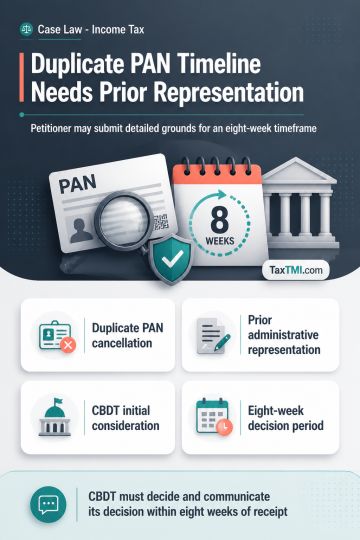
Duplicate PAN cancellation timeframe requires prior administrative representation before judicial intervention, ensuring a time-bound decision on the ...
Natural justice and pre-CIRP labour awards protect termination compensation, permitting withdrawal of court deposits despite later insolvency resoluti...
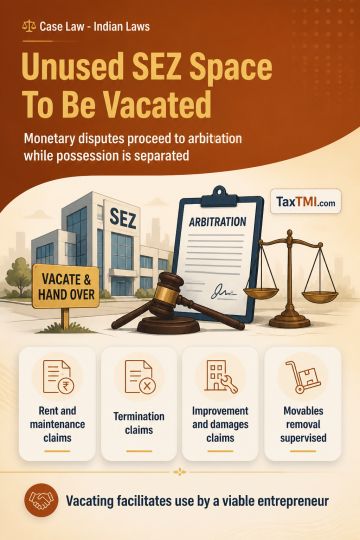
Arbitration of SEZ sub-lease monetary claims preserves rent, maintenance, termination, improvements and damages disputes while unused premises are vac...
Scientific research approval grants a research association tax recognition, subject to annual donor reporting, certification, and regulatory complianc...
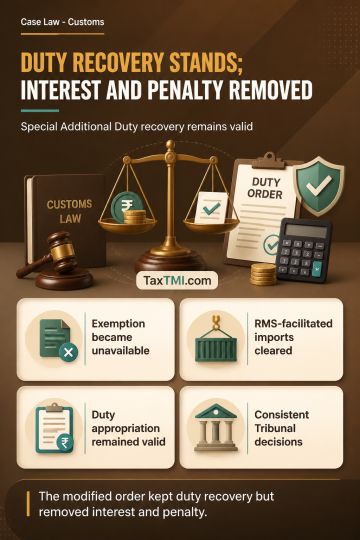
The appellants imported goods and procured goods from the Domestic Tariff Area (DTA) under exemption notifications, allowing import and procurement of raw materials and components for export production. Due to technological changes, some imported raw materials and components became obsolete and unfit for manufacturing. The notification was amended, permitting destruction of raw materials under intimation to customs. Although the period of dispute predated the amendment, a harmonious reading of the Foreign Trade Policy (FTP) and the customs notification implied destruction of obsolete raw materials was allowed after intimation to customs if destroyed within the unit, and with permission if destroyed outside. Such permission was granted previously. Technological advancements necessitate provisions for destruction of obsolete goods. The FTP allowed destruction, but the notification lacked this provision until amended. Precedent Tribunal decisions support allowing destruction, and the appeals are allowed.
The appellants imported goods and procured goods from the Domestic Tariff Area (DTA) under exemption notifications, allowing import and procurement of raw materials and components for export production. Due to technological changes, some imported raw materials and components became obsolete and unfit for manufacturing. The notification was amended, permitting destruction of raw materials under intimation to customs. Although the period of dispute predated the amendment, a harmonious reading of the Foreign Trade Policy (FTP) and the customs notification implied destruction of obsolete raw materials was allowed after intimation to customs if destroyed within the unit, and with permission if destroyed outside. Such permission was granted previously. Technological advancements necessitate provisions for destruction of obsolete goods. The FTP allowed destruction, but the notification lacked this provision until amended. Precedent Tribunal decisions support allowing destruction, and the appeals are allowed.
Note: It is a system-generated summary and is for quick reference only.
 TaxTMI
 TaxTMI

 of 4918