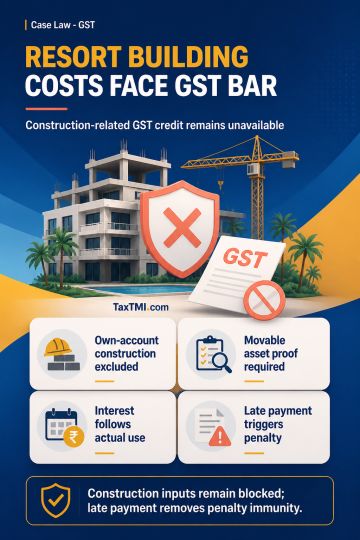
Blocked input tax credit for resort construction remains unavailable; interest follows actual utilisation, while delayed payment attracts statutory pe...
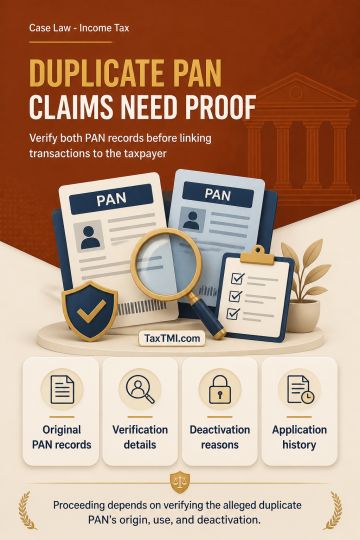
Duplicate PAN allocation requires record verification and deactivation reasons before assessment-related transactions can be attributed to an assessee...
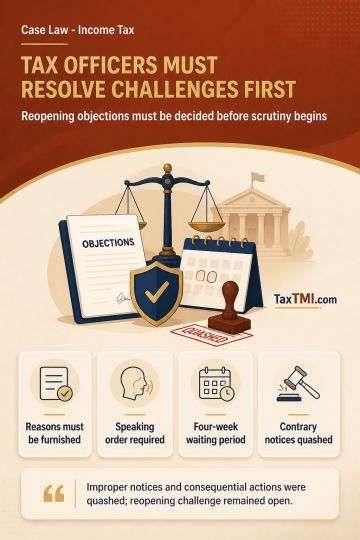
Faceless assessment safeguards require requested personal hearings and adequate final show-cause response time, failing which reassessment is required...
The appellants imported goods and procured goods from the Domestic Tariff Area (DTA) under exemption notifications, allowing import and procurement of raw materials and components for export production. Due to technological changes, some imported raw materials and components became obsolete and unfit for manufacturing. The notification was amended, permitting destruction of raw materials under intimation to customs. Although the period of dispute predated the amendment, a harmonious reading of the Foreign Trade Policy (FTP) and the customs notification implied destruction of obsolete raw materials was allowed after intimation to customs if destroyed within the unit, and with permission if destroyed outside. Such permission was granted previously. Technological advancements necessitate provisions for destruction of obsolete goods. The FTP allowed destruction, but the notification lacked this provision until amended. Precedent Tribunal decisions support allowing destruction, and the appeals are allowed.
The appellants imported goods and procured goods from the Domestic Tariff Area (DTA) under exemption notifications, allowing import and procurement of raw materials and components for export production. Due to technological changes, some imported raw materials and components became obsolete and unfit for manufacturing. The notification was amended, permitting destruction of raw materials under intimation to customs. Although the period of dispute predated the amendment, a harmonious reading of the Foreign Trade Policy (FTP) and the customs notification implied destruction of obsolete raw materials was allowed after intimation to customs if destroyed within the unit, and with permission if destroyed outside. Such permission was granted previously. Technological advancements necessitate provisions for destruction of obsolete goods. The FTP allowed destruction, but the notification lacked this provision until amended. Precedent Tribunal decisions support allowing destruction, and the appeals are allowed.
Note: It is a system-generated summary and is for quick reference only.
 TaxTMI
  TaxTMI