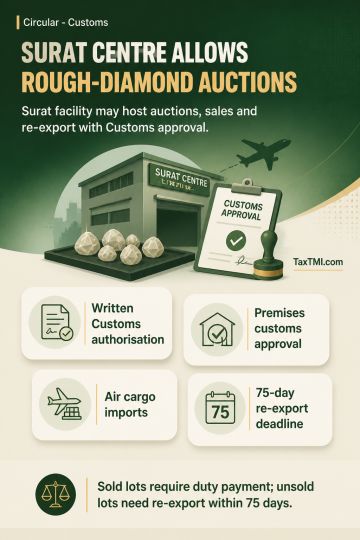
Customs exemptions cover photovoltaic assembly machinery and PVF backsheets, while fully declared cleared imports may avoid confiscation and penalties...
Specific tariff classification for LCD devices overrides treatment as electricity-meter parts, defeating differential duty, extended limitation, and p...
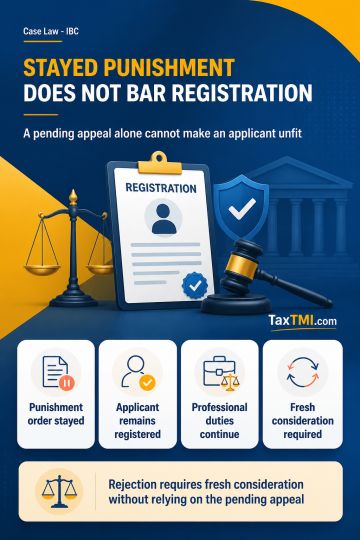
Stayed disciplinary punishment does not establish unfitness for insolvency professional registration; reconsideration must disregard mere pendency of ...
Indirect corporate control can create related-party status, excluding financial creditors from Committee of Creditors representation, participation an...
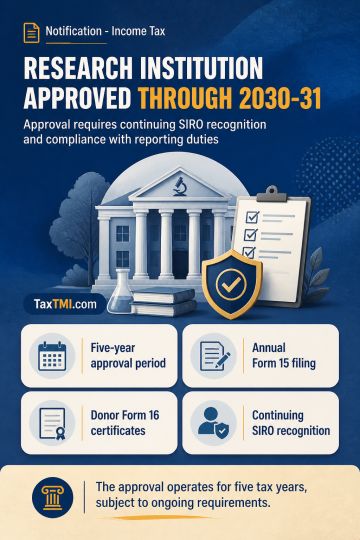
Scientific research association approval requires continuing SIRO status, annual donation reporting, and donor certificates for the approved foundatio...
Scientific research institution approval is conditional on SIRO recognition, annual donation reporting, donor certification, and prescribed compliance...
The Assessing Officer disallowed depreciation claimed on Plant & Machinery to the extent of the External Commercial Borrowing (ECB) amount waived off during the previous year, invoking Sections 43(1) and 41(1) of the Income Tax Act. However, the Tribunal held that the waiver of loan on capital account cannot be taxed u/s 41(1), as per the Supreme Court's ruling in Mahindra & Mahindra. Since the assets were purchased in the relevant year, Section 43(1) is not applicable as the cost was not met by any other person. The Tribunal relied on the Supreme Court's decision in Tata Iron & Steel Co., which held that the mode of loan repayment does not affect the actual cost of the asset acquired by the assessee for business purposes. The cost of an asset and the cost of raising funds are separate transactions. Consequently, the Tribunal dismissed the Revenue's appeal.
The Assessing Officer disallowed depreciation claimed on Plant & Machinery to the extent of the External Commercial Borrowing (ECB) amount waived off during the previous year, invoking Sections 43(1) and 41(1) of the Income Tax Act. However, the Tribunal held that the waiver of loan on capital account cannot be taxed u/s 41(1), as per the Supreme Court's ruling in Mahindra & Mahindra. Since the assets were purchased in the relevant year, Section 43(1) is not applicable as the cost was not met by any other person. The Tribunal relied on the Supreme Court's decision in Tata Iron & Steel Co., which held that the mode of loan repayment does not affect the actual cost of the asset acquired by the assessee for business purposes. The cost of an asset and the cost of raising funds are separate transactions. Consequently, the Tribunal dismissed the Revenue's appeal.
Note: It is a system-generated summary and is for quick reference only.
 TaxTMI
  TaxTMI
 of 4894