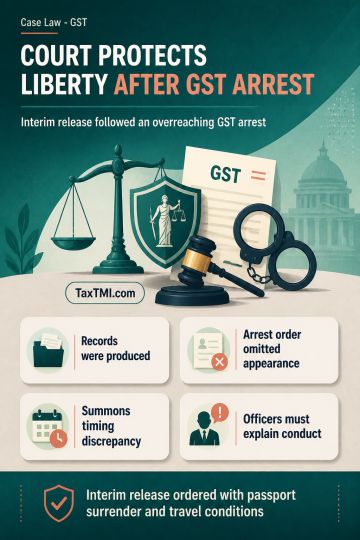
Personal liberty safeguards restrict arrest after court-directed GST appearance, requiring interim release where authorities overreach pending proceed...
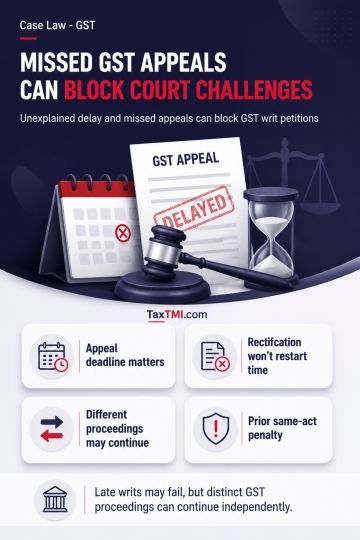
Alternative statutory remedy and delay bar GST writ challenges despite pending rectification, while distinct subject matter permits parallel proceedin...
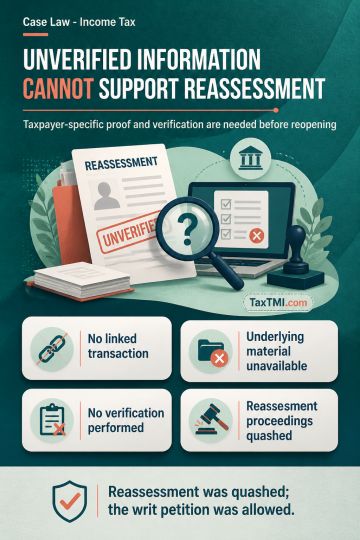
Unverified Insight Portal Information Cannot Justify Reassessment Without a Verified Taxpayer-Specific Income-Escape Nexus or Demonstrated Application...
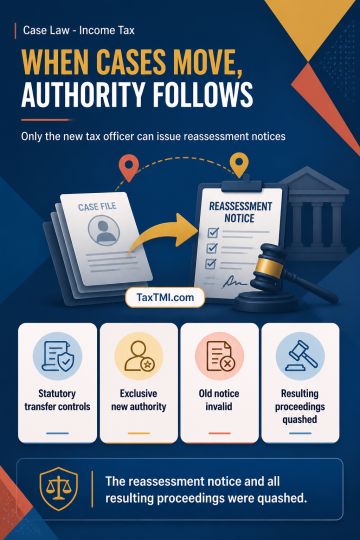
Assessing Officer jurisdiction after statutory transfer invalidates reassessment notices issued by transferor officers and nullifies resulting proceed...
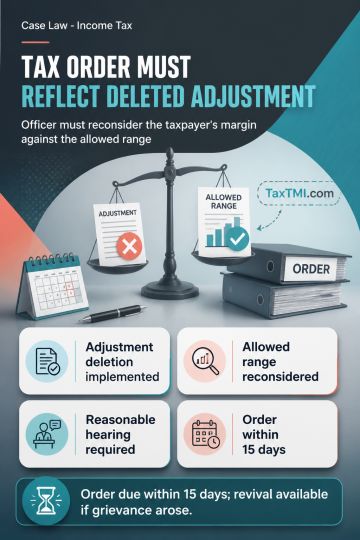
Consequential appeal-effect orders must implement rectification deleting working-capital adjustments and reconsider the resulting arm's-length range c...
Legal interpretation of the term "original asset" for claiming exemption u/s 54F of the Income Tax Act. It discusses the ownership rights over the "original asset" by the assessee and his wife, and their entitlement to claim exemption based on the sale proceeds invested in a new property. The key points are: the "original asset" was jointly owned by the assessee and his wife, giving them equal ownership rights; the term "property" encompasses valuable rights and interests; both the assessee and his wife are beneficial owners and liable for taxation on the income from the property; the assessee invested the sale proceeds from the "original asset" in a new property co-owned with his son, fulfilling the criteria for exemption u/s 54F; the exemption is applicable based on judicial precedents, and the income should be computed considering the assessee's share of ownership and investment in the new property.
Legal interpretation of the term "original asset" for claiming exemption u/s 54F of the Income Tax Act. It discusses the ownership rights over the "original asset" by the assessee and his wife, and their entitlement to claim exemption based on the sale proceeds invested in a new property. The key points are: the "original asset" was jointly owned by the assessee and his wife, giving them equal ownership rights; the term "property" encompasses valuable rights and interests; both the assessee and his wife are beneficial owners and liable for taxation on the income from the property; the assessee invested the sale proceeds from the "original asset" in a new property co-owned with his son, fulfilling the criteria for exemption u/s 54F; the exemption is applicable based on judicial precedents, and the income should be computed considering the assessee's share of ownership and investment in the new property.
Note: It is a system-generated summary and is for quick reference only.
 TaxTMI
  TaxTMI
 of 4894