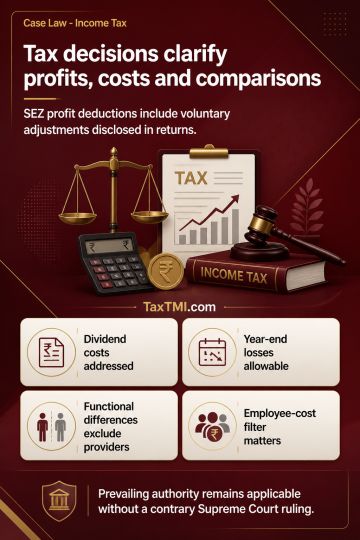
SEZ-unit profit deduction covers voluntary transfer-pricing adjustments, while exempt-income costs, foreign-exchange loss and ITeS comparables are exa...
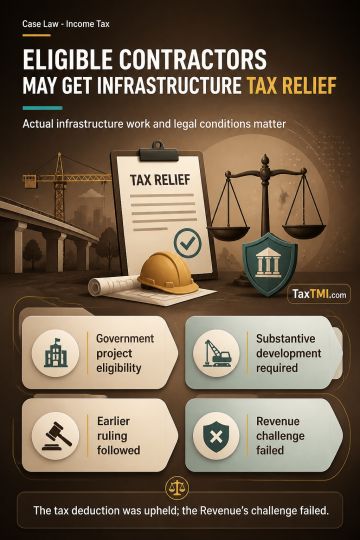
Infrastructure-development deduction remains available to EPC contractors when substantive statutory conditions outweigh contractor labels in agreemen...
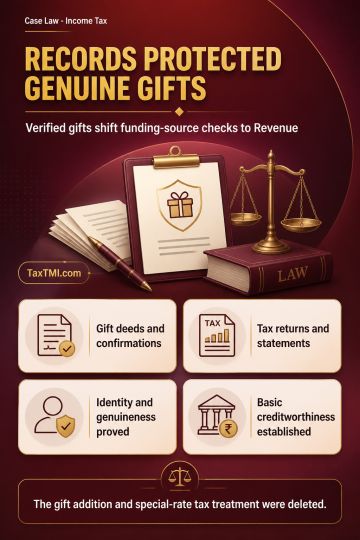
Explained Investment Sources: documented gifts and traceable salary savings supported deletion of additions for property and mutual-fund SIP investmen...
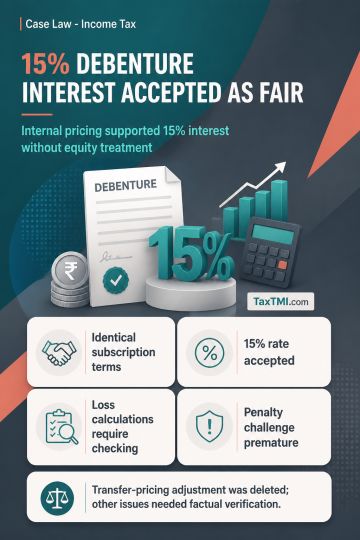
Internal comparable pricing supports arm's-length interest on compulsorily convertible debentures, preventing their recharacterisation as equity for t...
Legal interpretation of the term "original asset" for claiming exemption u/s 54F of the Income Tax Act. It discusses the ownership rights over the "original asset" by the assessee and his wife, and their entitlement to claim exemption based on the sale proceeds invested in a new property. The key points are: the "original asset" was jointly owned by the assessee and his wife, giving them equal ownership rights; the term "property" encompasses valuable rights and interests; both the assessee and his wife are beneficial owners and liable for taxation on the income from the property; the assessee invested the sale proceeds from the "original asset" in a new property co-owned with his son, fulfilling the criteria for exemption u/s 54F; the exemption is applicable based on judicial precedents, and the income should be computed considering the assessee's share of ownership and investment in the new property.
Legal interpretation of the term "original asset" for claiming exemption u/s 54F of the Income Tax Act. It discusses the ownership rights over the "original asset" by the assessee and his wife, and their entitlement to claim exemption based on the sale proceeds invested in a new property. The key points are: the "original asset" was jointly owned by the assessee and his wife, giving them equal ownership rights; the term "property" encompasses valuable rights and interests; both the assessee and his wife are beneficial owners and liable for taxation on the income from the property; the assessee invested the sale proceeds from the "original asset" in a new property co-owned with his son, fulfilling the criteria for exemption u/s 54F; the exemption is applicable based on judicial precedents, and the income should be computed considering the assessee's share of ownership and investment in the new property.
Note: It is a system-generated summary and is for quick reference only.
 TaxTMI
  TaxTMI
 of 4886