Final benami adjudication bars contradictory tax-evasion prosecution where settlement findings confirm full disclosure and cooperation without conceal...
Faceless assessment and registration procedures are updated through electronic communication, revised recovery rules, extended deadlines, and replacem...
Risk-based selective vessel boarding requires accurate declarations and preserves master and agent liability where physical inspections are not select...
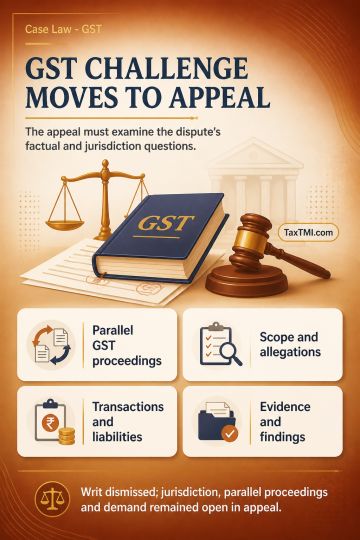
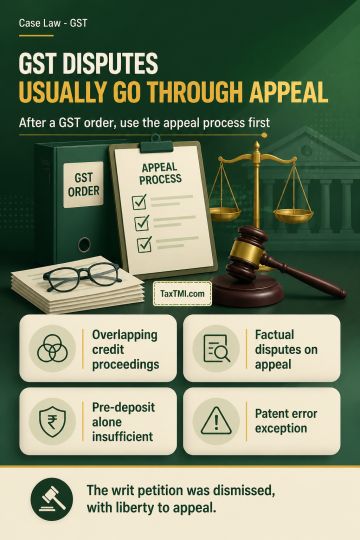
This is a case involving the imposition of Anti-Dumping Duty (ADD) on goods removed from a Special Economic Zone (SEZ) to the Domestic Tariff Area (DTA). The key points are: 1) The demand for ADD for the period from 08.12.2014 to 31.08.2015 cannot be sustained as the ADD Notification had lapsed on 07.12.2014, and the subsequent notification extending it was held invalid. 2) For the prior period (14.11.2014 to 07.12.2014), no breakup of ADD liability or penalty was provided, necessitating further examination after deciding other objections. 3) The Development Commissioner had jurisdiction to issue show cause notices and adjudicate the matter before 05.08.2016, as the administrative head empowered under the SEZ Act. 4) The failure to provide the petitioner with the respondents' written submissions before concluding proceedings is immaterial, as the orders are not mere modifications of those submissions. 5) Determining whether the goods fall within the scope of the ADD Notification and whether the business model involved circumvention involves disputed questions of fact, requiring detailed examination of evidence, which is inappropriate in a writ petition when a statutory remedy is available. 6) The High Court granted leave to the petitioner to file a statutory appeal on.
This is a case involving the imposition of Anti-Dumping Duty (ADD) on goods removed from a Special Economic Zone (SEZ) to the Domestic Tariff Area (DTA). The key points are: 1) The demand for ADD for the period from 08.12.2014 to 31.08.2015 cannot be sustained as the ADD Notification had lapsed on 07.12.2014, and the subsequent notification extending it was held invalid. 2) For the prior period (14.11.2014 to 07.12.2014), no breakup of ADD liability or penalty was provided, necessitating further examination after deciding other objections. 3) The Development Commissioner had jurisdiction to issue show cause notices and adjudicate the matter before 05.08.2016, as the administrative head empowered under the SEZ Act. 4) The failure to provide the petitioner with the respondents' written submissions before concluding proceedings is immaterial, as the orders are not mere modifications of those submissions. 5) Determining whether the goods fall within the scope of the ADD Notification and whether the business model involved circumvention involves disputed questions of fact, requiring detailed examination of evidence, which is inappropriate in a writ petition when a statutory remedy is available. 6) The High Court granted leave to the petitioner to file a statutory appeal on.
Note: It is a system-generated summary and is for quick reference only.
 TaxTMI
  TaxTMI
 of 4888