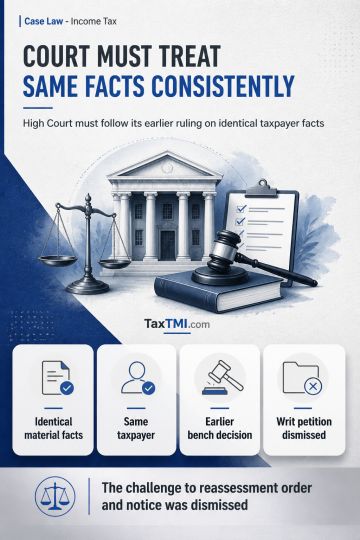
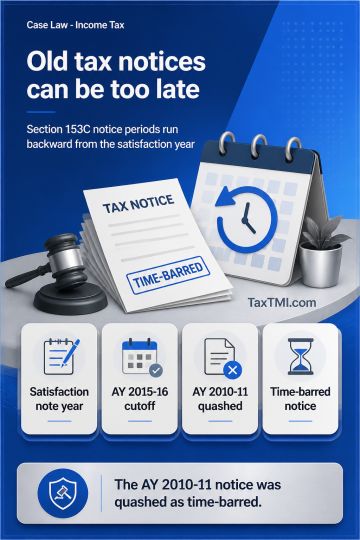
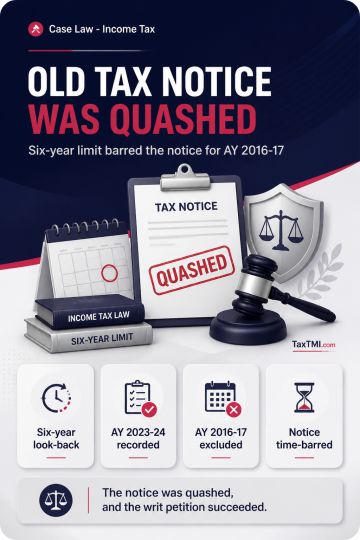
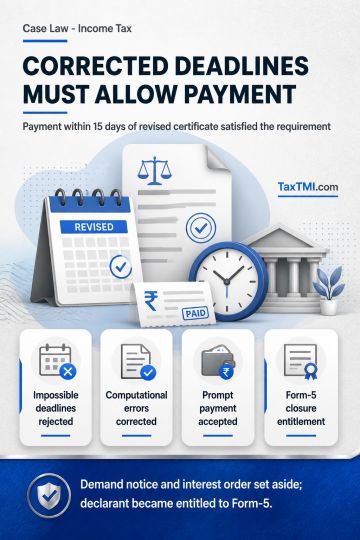
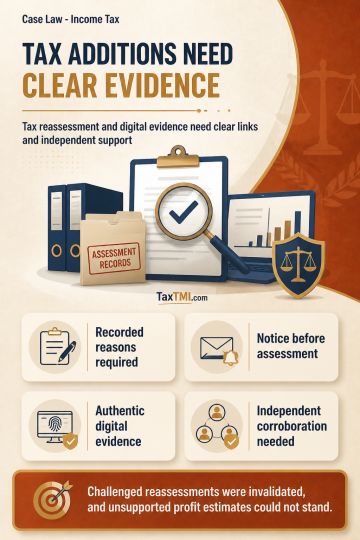
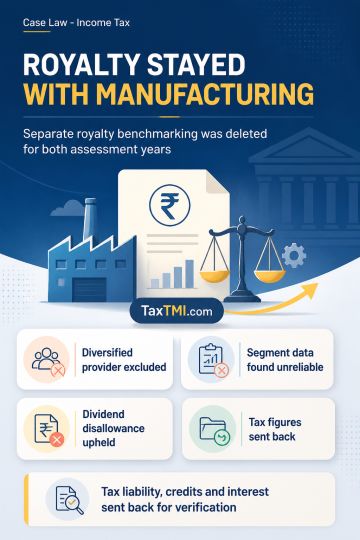
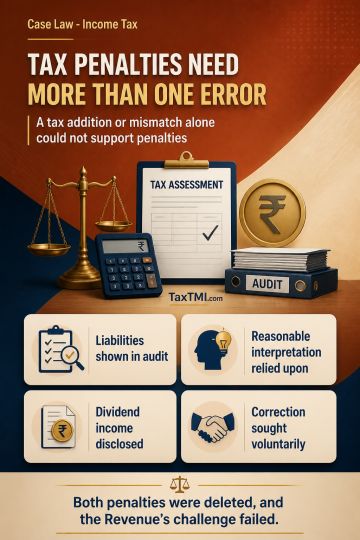
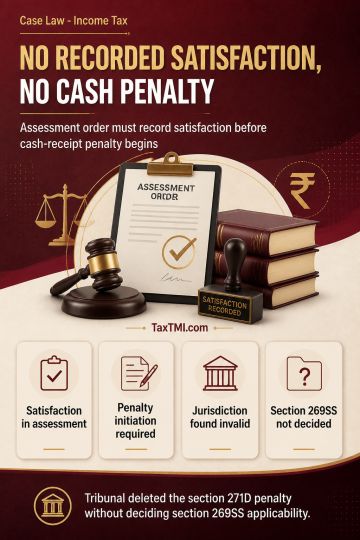
Judicial discipline requires consistent reassessment treatment where identical facts were decided for the same taxpayer in the preceding assessment ye...
This case deals with the levy of deficit stamp duty and penalty in a court-conducted auction sale. The key points are: In a court-supervised auction sale, the stamp authorities cannot determine the true market value of the property sold and levy stamp duty based on that valuation. Once the bid is accepted by the court-appointed committee and the sale is confirmed at the bid price, which is above the reserve price, that price is considered the market value. The Supreme Court has conclusively held that in a court auction, the registering authority cannot question the market price determined by the court's sale process, as it would amount to sitting in appeal over the court's decision. The transparent court auction process is considered one of the best methods to determine market value. The High Court allowed the petition based on the Supreme Court's ruling in ASL Vyapar Pvt Ltd and its own decision in Spectrum Constructions.
This case deals with the levy of deficit stamp duty and penalty in a court-conducted auction sale. The key points are: In a court-supervised auction sale, the stamp authorities cannot determine the true market value of the property sold and levy stamp duty based on that valuation. Once the bid is accepted by the court-appointed committee and the sale is confirmed at the bid price, which is above the reserve price, that price is considered the market value. The Supreme Court has conclusively held that in a court auction, the registering authority cannot question the market price determined by the court's sale process, as it would amount to sitting in appeal over the court's decision. The transparent court auction process is considered one of the best methods to determine market value. The High Court allowed the petition based on the Supreme Court's ruling in ASL Vyapar Pvt Ltd and its own decision in Spectrum Constructions.
Note: It is a system-generated summary and is for quick reference only.
 TaxTMI
  TaxTMI
 of 4886