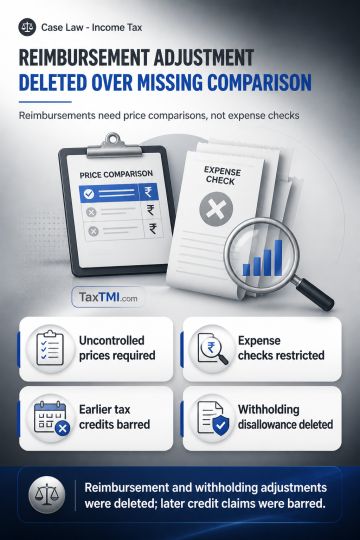
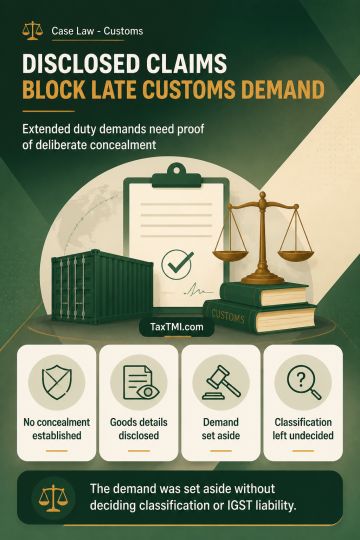
Transfer-pricing reimbursement adjustments require uncontrolled comparables and cannot become expense-genuineness reviews, resulting in deletion of th...
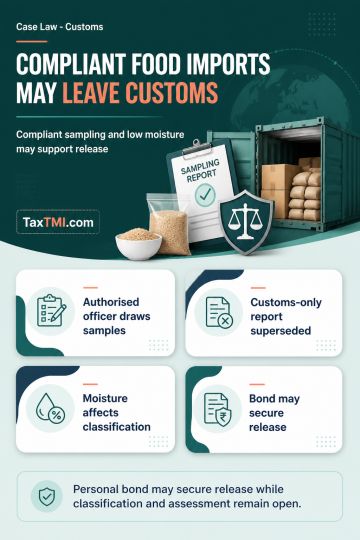
Food import sampling requirements support provisional release where unseized consignments conform to standards and raw areca classification is unestab...
Diagnostic microcuvette classification follows sole-use analytical function, placing specialised disposable cuvettes with their analyser rather than g...
Customs Broker licensing proceedings fail when their offence-report foundation collapses and authorisation, advisory, and KYC duties remain unbreached...
Page of 4891
Press 'Enter' after typing page number.
501 to 520 of 97820 Results
❮
❯
❯❯
0 / 200
Expand Note
Add to Folder
No Folders have been created
+
Are you sure you want to delete "My most important" ?
The case pertains to the prohibition on import and confiscation of seven drawings by renowned artists under Customs Notification No. 1/1964, deeming them obscene. The court held that the ability to communicate ideas through art is a legitimate human endeavour and cannot be controlled based on acceptability to authorities. Vesting obscenity determination powers in customs authorities risks arbitrary state behaviour imperilling fundamental freedoms. The impugned order ignored relevant considerations like expert opinions, artistic value, contemporary standards, and legal precedents, relying instead on individualized morality standards, personal prejudices, and frivolous grounds. Relegating the petitioner to departmental appeals risked destruction of the valuable artworks. The impugned order was set aside, and the petition was allowed, upholding artistic expression and freedom of speech.
The case pertains to the prohibition on import and confiscation of seven drawings by renowned artists under Customs Notification No. 1/1964, deeming them obscene. The court held that the ability to communicate ideas through art is a legitimate human endeavour and cannot be controlled based on acceptability to authorities. Vesting obscenity determination powers in customs authorities risks arbitrary state behaviour imperilling fundamental freedoms. The impugned order ignored relevant considerations like expert opinions, artistic value, contemporary standards, and legal precedents, relying instead on individualized morality standards, personal prejudices, and frivolous grounds. Relegating the petitioner to departmental appeals risked destruction of the valuable artworks. The impugned order was set aside, and the petition was allowed, upholding artistic expression and freedom of speech.
Note: It is a system-generated summary and is for quick reference only.
 TaxTMI
  TaxTMI
 of 4891