Mandatory textile export qualifiers distinguish flame-retardant fabrics from other listed fabrics for automated identification under the textiles ince...
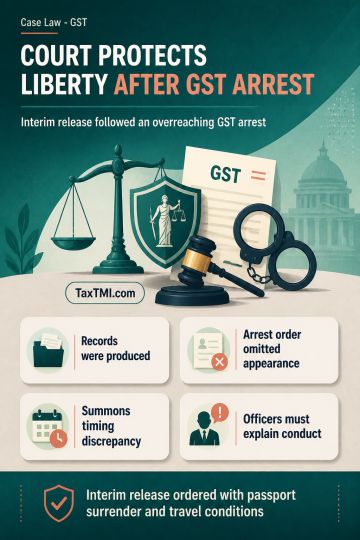
Personal liberty safeguards restrict arrest after court-directed GST appearance, requiring interim release where authorities overreach pending proceed...
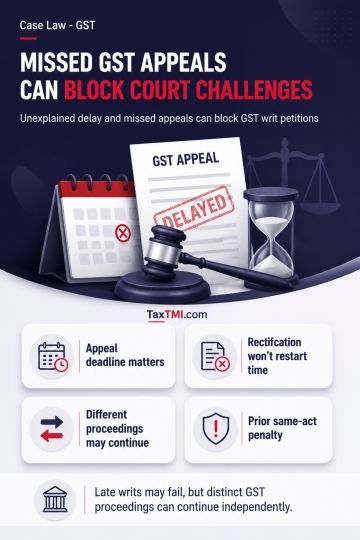
Alternative statutory remedy and delay bar GST writ challenges despite pending rectification, while distinct subject matter permits parallel proceedin...
The case pertains to the prohibition on import and confiscation of seven drawings by renowned artists under Customs Notification No. 1/1964, deeming them obscene. The court held that the ability to communicate ideas through art is a legitimate human endeavour and cannot be controlled based on acceptability to authorities. Vesting obscenity determination powers in customs authorities risks arbitrary state behaviour imperilling fundamental freedoms. The impugned order ignored relevant considerations like expert opinions, artistic value, contemporary standards, and legal precedents, relying instead on individualized morality standards, personal prejudices, and frivolous grounds. Relegating the petitioner to departmental appeals risked destruction of the valuable artworks. The impugned order was set aside, and the petition was allowed, upholding artistic expression and freedom of speech.
The case pertains to the prohibition on import and confiscation of seven drawings by renowned artists under Customs Notification No. 1/1964, deeming them obscene. The court held that the ability to communicate ideas through art is a legitimate human endeavour and cannot be controlled based on acceptability to authorities. Vesting obscenity determination powers in customs authorities risks arbitrary state behaviour imperilling fundamental freedoms. The impugned order ignored relevant considerations like expert opinions, artistic value, contemporary standards, and legal precedents, relying instead on individualized morality standards, personal prejudices, and frivolous grounds. Relegating the petitioner to departmental appeals risked destruction of the valuable artworks. The impugned order was set aside, and the petition was allowed, upholding artistic expression and freedom of speech.
Note: It is a system-generated summary and is for quick reference only.
 TaxTMI
  TaxTMI
 of 4881