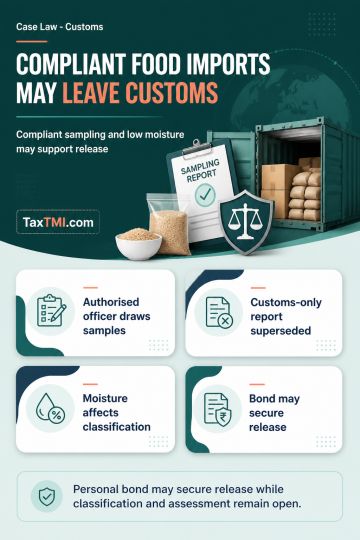
Food import sampling requirements support provisional release where unseized consignments conform to standards and raw areca classification is unestab...
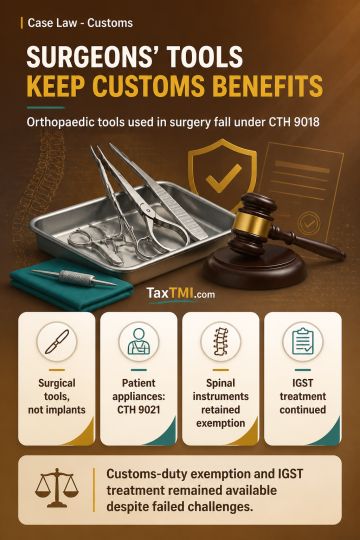
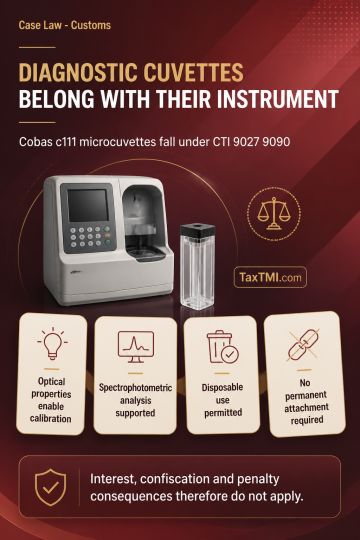
Diagnostic microcuvette classification follows sole-use analytical function, placing specialised disposable cuvettes with their analyser rather than g...
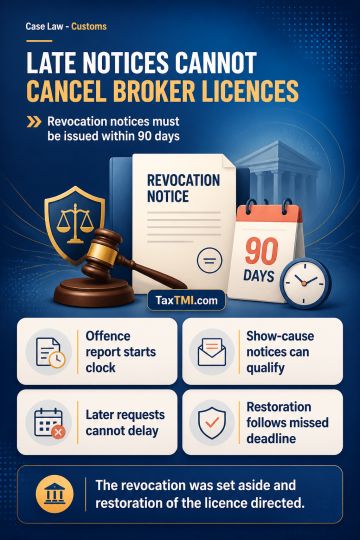
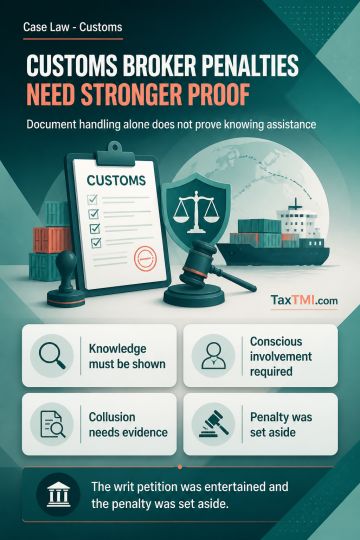
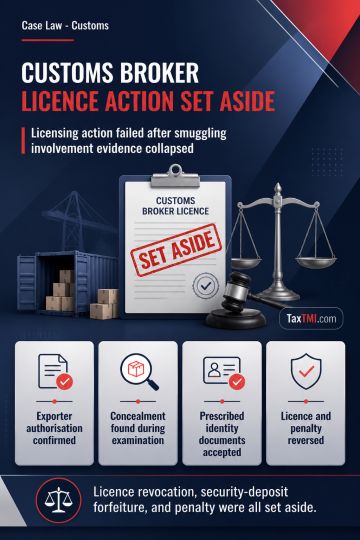
Customs Broker licensing proceedings fail when their offence-report foundation collapses and authorisation, advisory, and KYC duties remain unbreached...
Central Excise and Service Tax Appellate Tribunal (CESTAT) case involving valuation of imported goods - rejection of declared value - enhancement of value. The tribunal held that when the imported goods were numerous, only a few items were referenced without considering the importer's submissions. The grounds for value enhancement were not communicated to the importer, violating natural justice principles. The tribunal observed that the provisions of Rule 3(b) of the Customs Valuation Rules, 2007, regarding transaction value for imports by related persons, were not properly applied. The original authority failed to examine the values against identical or similar items imported by independent buyers from the same supplier or other contemporaneous imports. The lower appellate authority's order setting aside the original order without determining the appropriate values created a vacuum. The case was remanded to the original authority to reconsider the issue afresh, adhering to natural justice principles and examining all relevant factors within three months.
Central Excise and Service Tax Appellate Tribunal (CESTAT) case involving valuation of imported goods - rejection of declared value - enhancement of value. The tribunal held that when the imported goods were numerous, only a few items were referenced without considering the importer's submissions. The grounds for value enhancement were not communicated to the importer, violating natural justice principles. The tribunal observed that the provisions of Rule 3(b) of the Customs Valuation Rules, 2007, regarding transaction value for imports by related persons, were not properly applied. The original authority failed to examine the values against identical or similar items imported by independent buyers from the same supplier or other contemporaneous imports. The lower appellate authority's order setting aside the original order without determining the appropriate values created a vacuum. The case was remanded to the original authority to reconsider the issue afresh, adhering to natural justice principles and examining all relevant factors within three months.
Note: It is a system-generated summary and is for quick reference only.
 TaxTMI
  TaxTMI
 of 4881