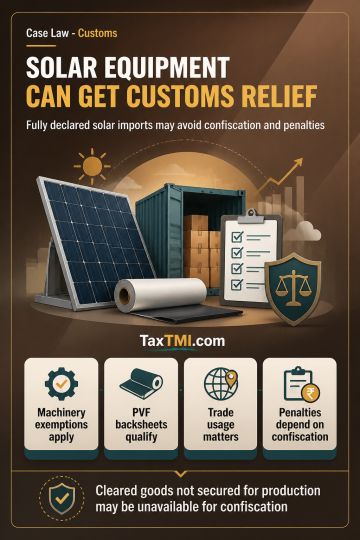
Customs exemptions cover photovoltaic assembly machinery and PVF backsheets, while fully declared cleared imports may avoid confiscation and penalties...
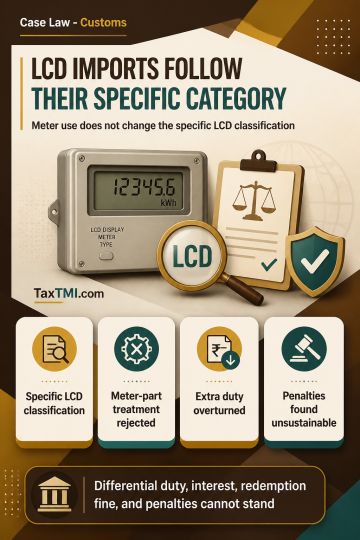
Specific tariff classification for LCD devices overrides treatment as electricity-meter parts, defeating differential duty, extended limitation, and p...
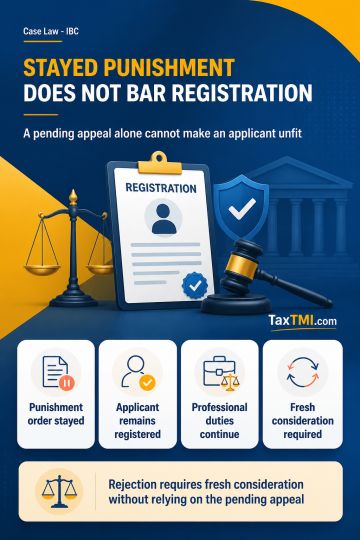
Stayed disciplinary punishment does not establish unfitness for insolvency professional registration; reconsideration must disregard mere pendency of ...
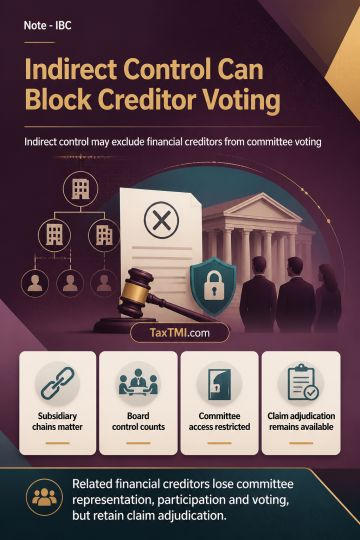
Indirect corporate control can create related-party status, excluding financial creditors from Committee of Creditors representation, participation an...
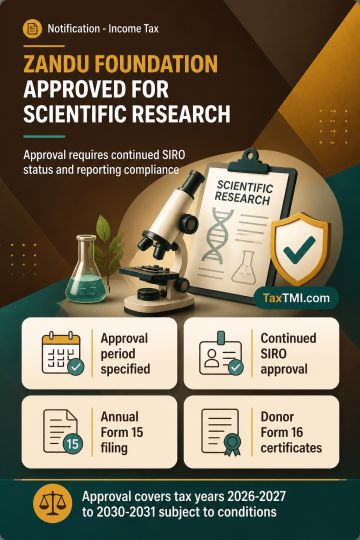
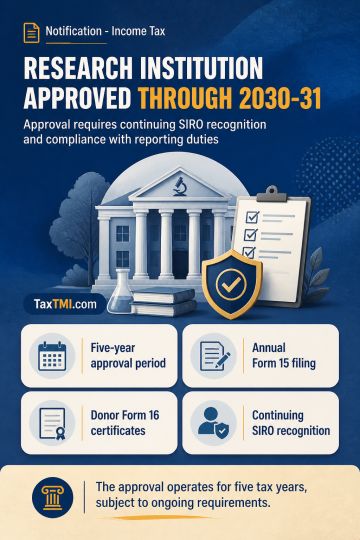
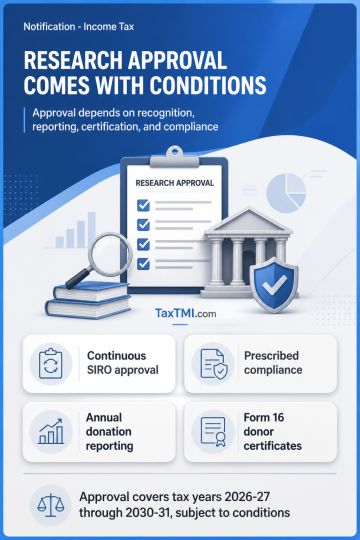
Scientific research association approval requires continuing SIRO status, annual donation reporting, and donor certificates for the approved foundatio...
Scientific research institution approval is conditional on SIRO recognition, annual donation reporting, donor certification, and prescribed compliance...
The Supreme Court examined whether the Public Premises Act, 1971 overrides the Arbitration and Conciliation Act, 1996, and if there was any error in appointing an arbitrator u/s 11 of the latter Act. The Court held that the dispute related to promises arising from an agreement dated 26.09.2012, concerning the right of renewal and the legality of enhanced demand, which subsisted until 11.09.2015. The Public Premises Act did not apply to this period, and the dispute depended on interpreting the agreement terms. The High Court did not err in appointing an arbitrator u/s 11, as the revision of storage charges and right of renewal arose during the contract's subsistence and were covered by the arbitration clause. The Court dismissed the appeal and imposed costs of Rs. 50,000 for unnecessary litigation.
The Supreme Court examined whether the Public Premises Act, 1971 overrides the Arbitration and Conciliation Act, 1996, and if there was any error in appointing an arbitrator u/s 11 of the latter Act. The Court held that the dispute related to promises arising from an agreement dated 26.09.2012, concerning the right of renewal and the legality of enhanced demand, which subsisted until 11.09.2015. The Public Premises Act did not apply to this period, and the dispute depended on interpreting the agreement terms. The High Court did not err in appointing an arbitrator u/s 11, as the revision of storage charges and right of renewal arose during the contract's subsistence and were covered by the arbitration clause. The Court dismissed the appeal and imposed costs of Rs. 50,000 for unnecessary litigation.
Note: It is a system-generated summary and is for quick reference only.
 TaxTMI
  TaxTMI
 of 4883