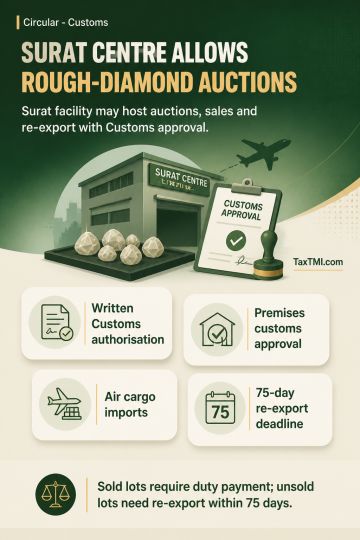
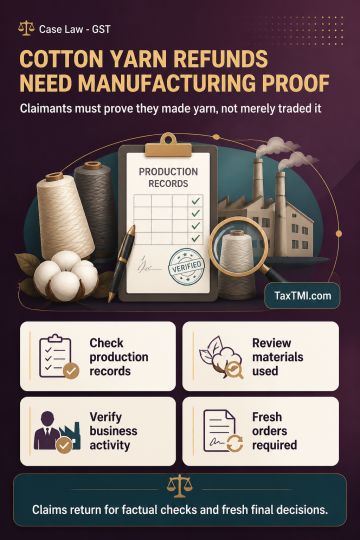
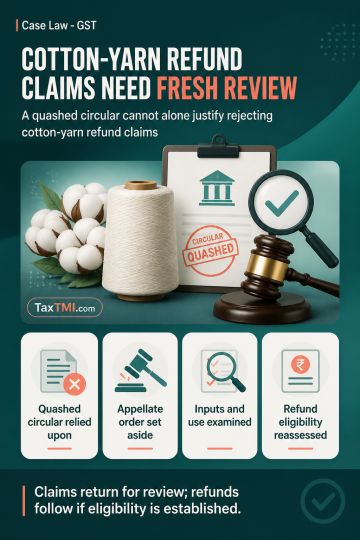
Customs exemptions cover photovoltaic assembly machinery and PVF backsheets, while fully declared cleared imports may avoid confiscation and penalties...
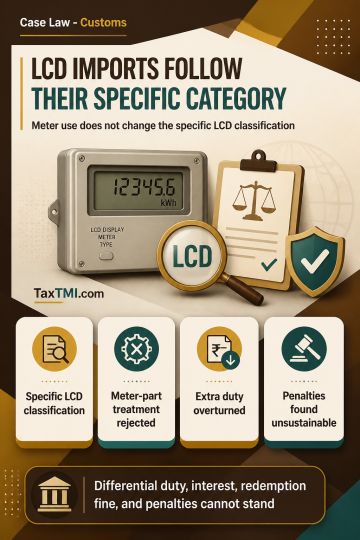
Specific tariff classification for LCD devices overrides treatment as electricity-meter parts, defeating differential duty, extended limitation, and p...
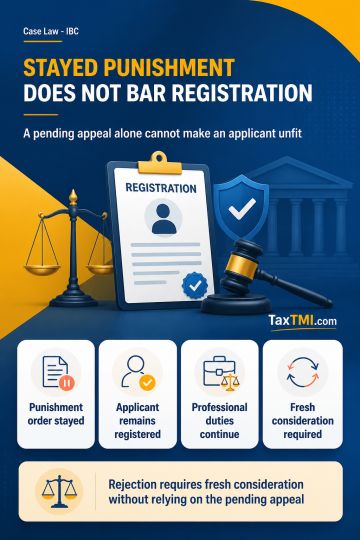
Stayed disciplinary punishment does not establish unfitness for insolvency professional registration; reconsideration must disregard mere pendency of ...
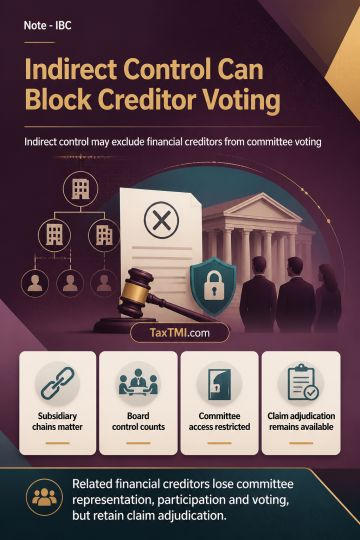
Indirect corporate control can create related-party status, excluding financial creditors from Committee of Creditors representation, participation an...
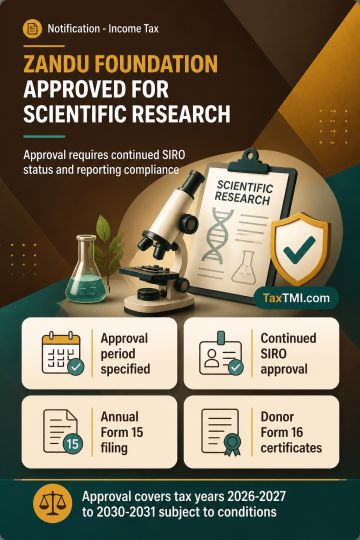
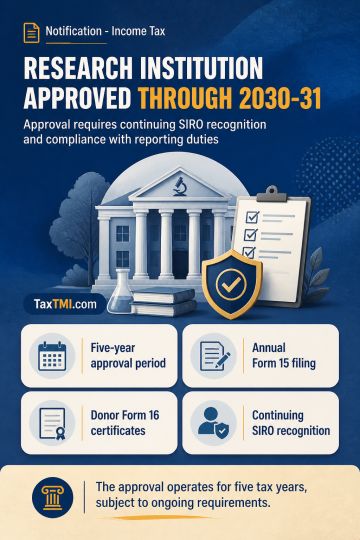
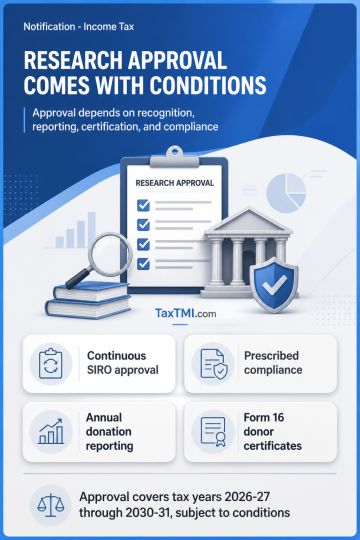
Scientific research association approval requires continuing SIRO status, annual donation reporting, and donor certificates for the approved foundatio...
Scientific research institution approval is conditional on SIRO recognition, annual donation reporting, donor certification, and prescribed compliance...
The Income Tax Appellate Tribunal examined the validity of assessments made u/s 153C, considering the gap between the satisfaction note recorded by the Assessing Officer of the searched person and the jurisdictional Assessing Officer. The Tribunal relied on the Supreme Court's decision in Jasjit Singh's case, which held that the first proviso to Section 153C(1) applies not only to the question of abatement but also to the date from which the six-year period is reckoned for filing returns by third parties. In the present appeals, the requisition and satisfaction note were recorded by the jurisdictional Assessing Officer on 10/11/2021 for the Assessment Year 2022-23. The 10-year outer ceiling limit prescribed in the statute must be computed backward from 31/03/2022. The assessments framed for the Assessment Years 2011-12 and 2012-13 fell beyond this 10-year period contemplated u/s 153C(1). Consequently, the Tribunal decided in favor of the assessee.
The Income Tax Appellate Tribunal examined the validity of assessments made u/s 153C, considering the gap between the satisfaction note recorded by the Assessing Officer of the searched person and the jurisdictional Assessing Officer. The Tribunal relied on the Supreme Court's decision in Jasjit Singh's case, which held that the first proviso to Section 153C(1) applies not only to the question of abatement but also to the date from which the six-year period is reckoned for filing returns by third parties. In the present appeals, the requisition and satisfaction note were recorded by the jurisdictional Assessing Officer on 10/11/2021 for the Assessment Year 2022-23. The 10-year outer ceiling limit prescribed in the statute must be computed backward from 31/03/2022. The assessments framed for the Assessment Years 2011-12 and 2012-13 fell beyond this 10-year period contemplated u/s 153C(1). Consequently, the Tribunal decided in favor of the assessee.
Note: It is a system-generated summary and is for quick reference only.
 TaxTMI
  TaxTMI
 of 4879