Transfer-pricing aggregation of distinct support-service and subcontract transactions was rejected, while debt-free receivables attracted no notional ...
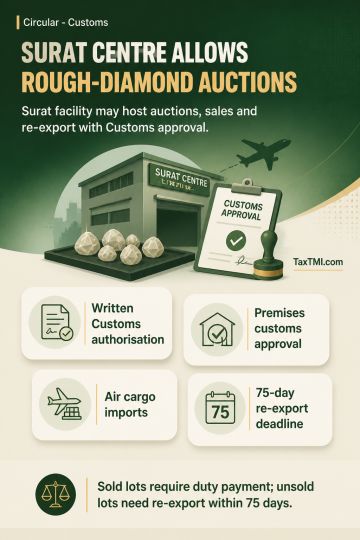
Customs exemptions cover photovoltaic assembly machinery and PVF backsheets, while fully declared cleared imports may avoid confiscation and penalties...
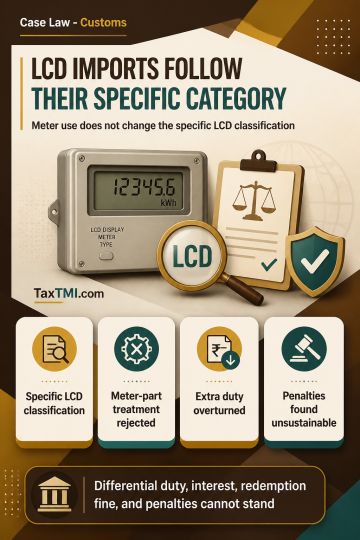
Specific tariff classification for LCD devices overrides treatment as electricity-meter parts, defeating differential duty, extended limitation, and p...
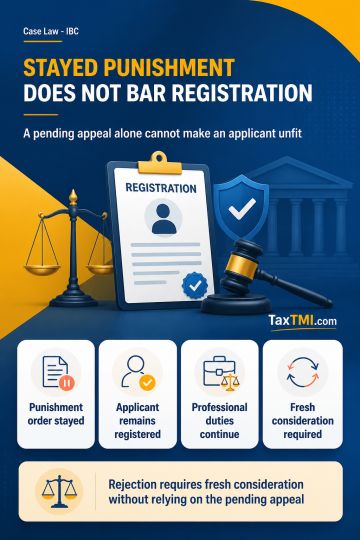
Stayed disciplinary punishment does not establish unfitness for insolvency professional registration; reconsideration must disregard mere pendency of ...
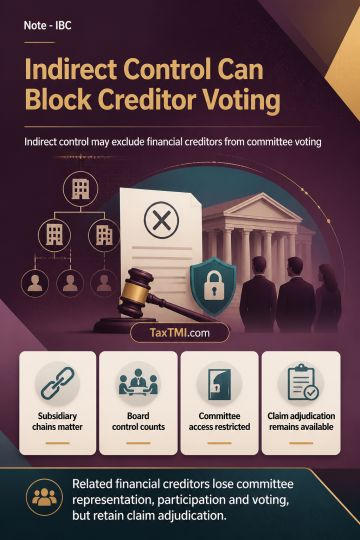
Indirect corporate control can create related-party status, excluding financial creditors from Committee of Creditors representation, participation an...
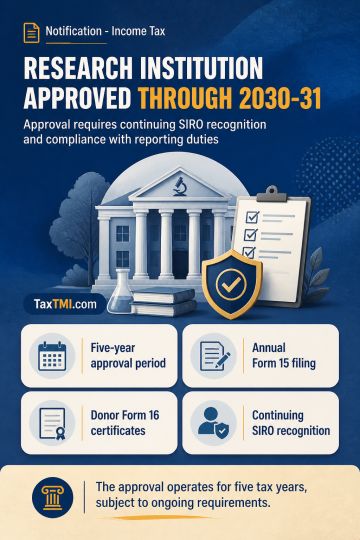
Scientific research association approval requires continuing SIRO status, annual donation reporting, and donor certificates for the approved foundatio...
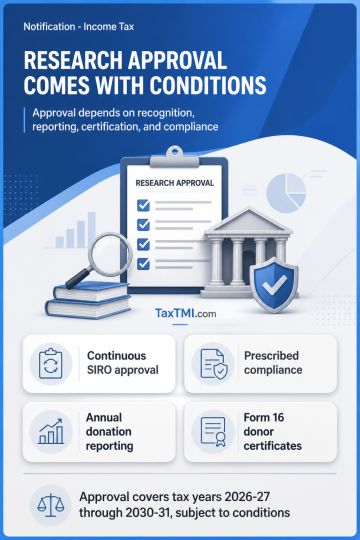
Scientific research institution approval is conditional on SIRO recognition, annual donation reporting, donor certification, and prescribed compliance...
A case concerning the suspension of a warehousing operation, alleged breach of conditions for operating a public bonded warehouse, and imposition of redemption fine and penalty. The High Court upheld the CESTAT's findings that there was no breach of license conditions, based on the record and permissions granted by Customs authorities for unloading/storing goods under their supervision. The allegations of misinterpreting permissions were found baseless. The CESTAT correctly overlooked procedural issues not raised earlier regarding advance discharge permission and mandatory filing of Bills of Entry before vessel arrival. With no breach of license terms or confiscation of goods, the CESTAT rightly set aside penalties u/ss 117 and 112(b)(ii) of the Customs Act for alleged violations like non-reporting of time-expired bonds, storage of non-bonded goods, and lack of audit trail facilities. No substantial question of law arose, and the Appeal was dismissed.
A case concerning the suspension of a warehousing operation, alleged breach of conditions for operating a public bonded warehouse, and imposition of redemption fine and penalty. The High Court upheld the CESTAT's findings that there was no breach of license conditions, based on the record and permissions granted by Customs authorities for unloading/storing goods under their supervision. The allegations of misinterpreting permissions were found baseless. The CESTAT correctly overlooked procedural issues not raised earlier regarding advance discharge permission and mandatory filing of Bills of Entry before vessel arrival. With no breach of license terms or confiscation of goods, the CESTAT rightly set aside penalties u/ss 117 and 112(b)(ii) of the Customs Act for alleged violations like non-reporting of time-expired bonds, storage of non-bonded goods, and lack of audit trail facilities. No substantial question of law arose, and the Appeal was dismissed.
Note: It is a system-generated summary and is for quick reference only.
 TaxTMI
  TaxTMI
 of 4888