Transfer-pricing aggregation of distinct support-service and subcontract transactions was rejected, while debt-free receivables attracted no notional ...
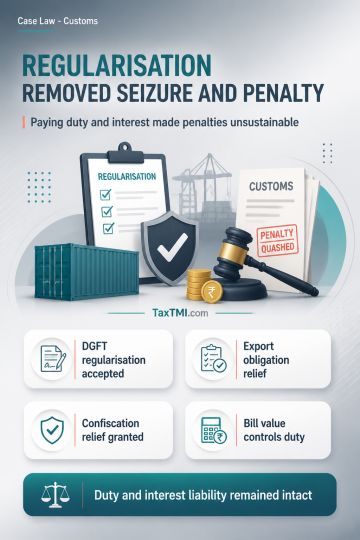
Customs exemptions cover photovoltaic assembly machinery and PVF backsheets, while fully declared cleared imports may avoid confiscation and penalties...
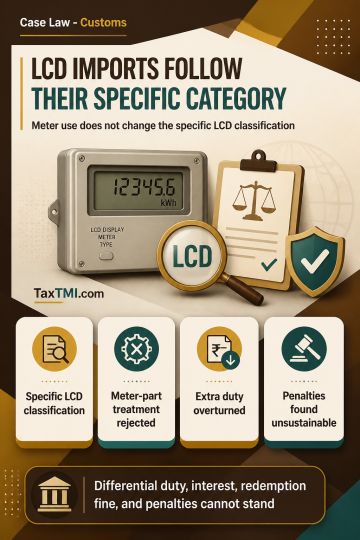
Specific tariff classification for LCD devices overrides treatment as electricity-meter parts, defeating differential duty, extended limitation, and p...
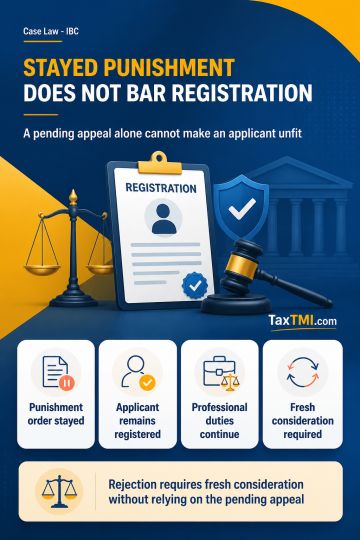
Stayed disciplinary punishment does not establish unfitness for insolvency professional registration; reconsideration must disregard mere pendency of ...
This instruction clarifies the retrospective issuance of Certificates of Origin (COOs) under the India-UAE Comprehensive Economic Partnership Agreement (CEPA). Rule 15(11) permits retrospective issuance of COOs in exceptional cases within 12 months of shipment, with reasons recorded by the issuing authority. Rule 21(3) allows importers to claim refund of excess duties if preferential treatment was not initially extended despite the product qualifying as originating. Minor discrepancies like typing errors should not invalidate COOs if authenticity and accuracy are not affected. The intent is to extend substantive trade agreement benefits without nullifying legal entitlements due to procedural discrepancies, unless originating status is doubtful. Customs formations are instructed to sensitize accordingly.
This instruction clarifies the retrospective issuance of Certificates of Origin (COOs) under the India-UAE Comprehensive Economic Partnership Agreement (CEPA). Rule 15(11) permits retrospective issuance of COOs in exceptional cases within 12 months of shipment, with reasons recorded by the issuing authority. Rule 21(3) allows importers to claim refund of excess duties if preferential treatment was not initially extended despite the product qualifying as originating. Minor discrepancies like typing errors should not invalidate COOs if authenticity and accuracy are not affected. The intent is to extend substantive trade agreement benefits without nullifying legal entitlements due to procedural discrepancies, unless originating status is doubtful. Customs formations are instructed to sensitize accordingly.
Note: It is a system-generated summary and is for quick reference only.
 TaxTMI
  TaxTMI
 of 4891