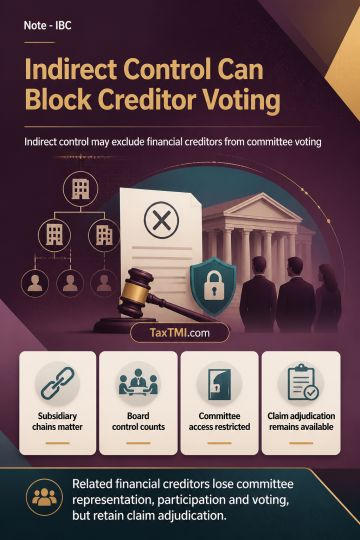
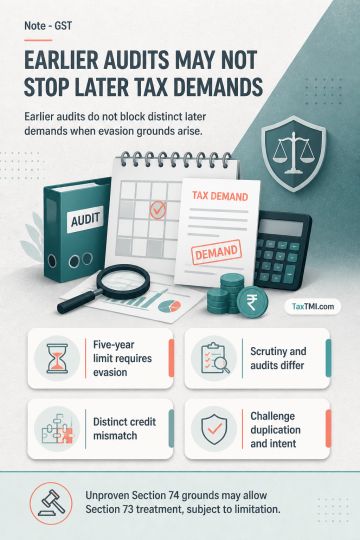
Indirect corporate control can create related-party status, excluding financial creditors from Committee of Creditors representation, participation an...
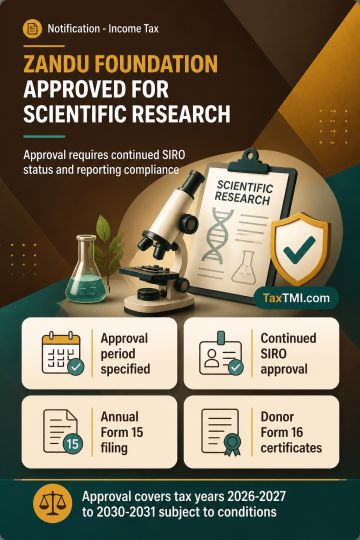
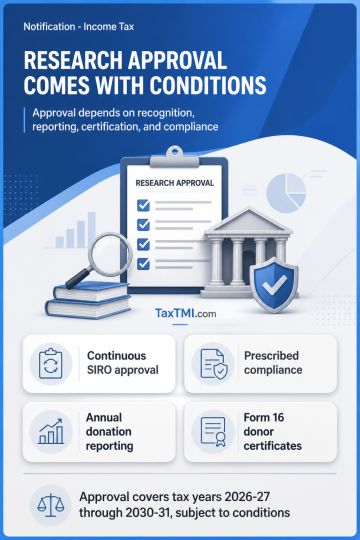
Scientific research association approval requires continuing SIRO status, annual donation reporting, and donor certificates for the approved foundatio...
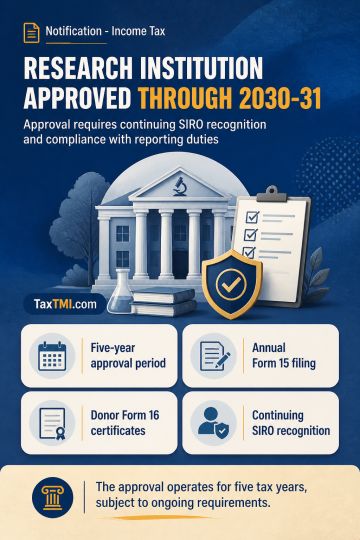
Scientific research institution approval is conditional on SIRO recognition, annual donation reporting, donor certification, and prescribed compliance...
The Negotiable Instruments Act, 1881 was enacted to define and amend laws relating to promissory notes, bills of exchange, and cheques. Section 138, introduced through the Banking, Public Financial Institutions and Negotiable Instruments Laws (Amendment) Act, 1988, provides penalties for dishonor of cheques due to insufficient funds. Subsequent amendments aimed to expedite cases through summary trials and make offenses compoundable. The Supreme Court highlighted the objective of instilling faith in banking operations and preventing dishonesty in drawing cheques without sufficient funds. The Bengal Money Lenders Act, 1940 and Chapter XVII of the Negotiable Instruments Act operate independently with distinct objectives. There is no conflict between provisions, and civil remedies for unlicensed money lenders are not barred by criminal penalties u/s 138. The High Court dismissed the revision application, finding no merit in claims of abuse of process.
The Negotiable Instruments Act, 1881 was enacted to define and amend laws relating to promissory notes, bills of exchange, and cheques. Section 138, introduced through the Banking, Public Financial Institutions and Negotiable Instruments Laws (Amendment) Act, 1988, provides penalties for dishonor of cheques due to insufficient funds. Subsequent amendments aimed to expedite cases through summary trials and make offenses compoundable. The Supreme Court highlighted the objective of instilling faith in banking operations and preventing dishonesty in drawing cheques without sufficient funds. The Bengal Money Lenders Act, 1940 and Chapter XVII of the Negotiable Instruments Act operate independently with distinct objectives. There is no conflict between provisions, and civil remedies for unlicensed money lenders are not barred by criminal penalties u/s 138. The High Court dismissed the revision application, finding no merit in claims of abuse of process.
Note: It is a system-generated summary and is for quick reference only.
 TaxTMI
  TaxTMI
 of 4891