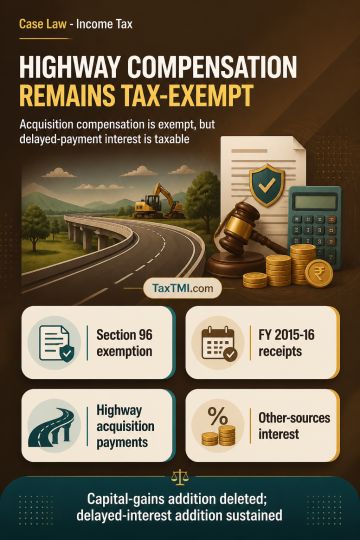
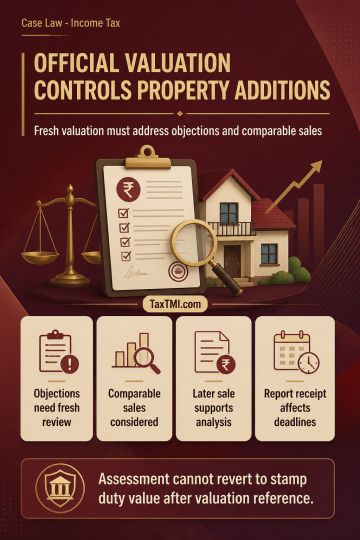
Valuation Officer estimates govern property-value additions once statutory valuation is invoked, requiring fresh consideration of objections and compa...
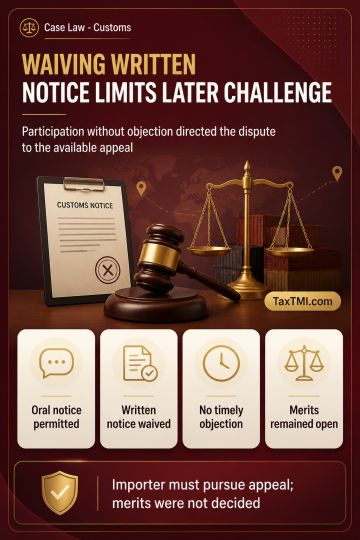
Waiver of written show-cause notice may prevent a later procedural challenge after participation in customs adjudication, preserving statutory appella...
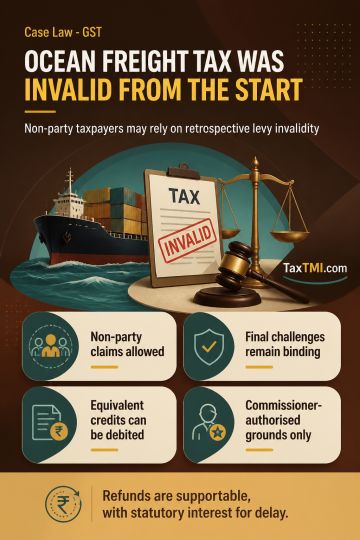
Retrospective invalidity of ocean-freight IGST supports refunds despite non-party status and prior credit utilisation, subject to authorised appeal gr...
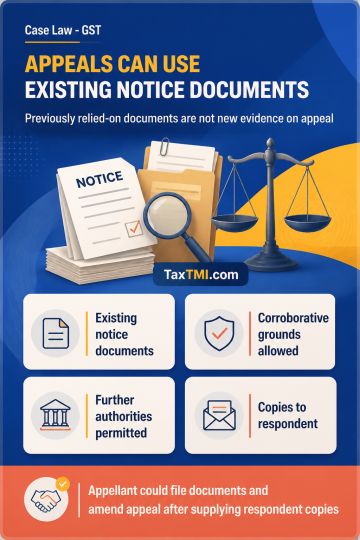
Additional evidence in departmental appeals may include show-cause-notice material without introducing a new case where it merely corroborates existin...
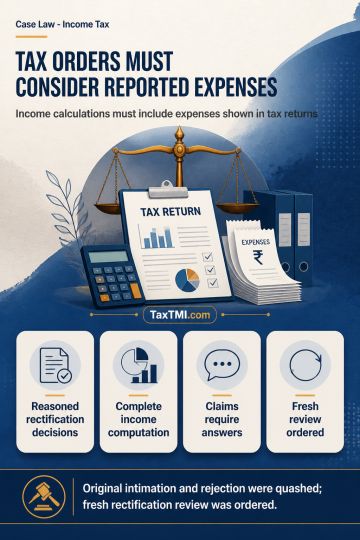
Reasoned rectification orders require consideration of expenditure disclosed in income-tax returns, preventing revision based on incomplete income com...
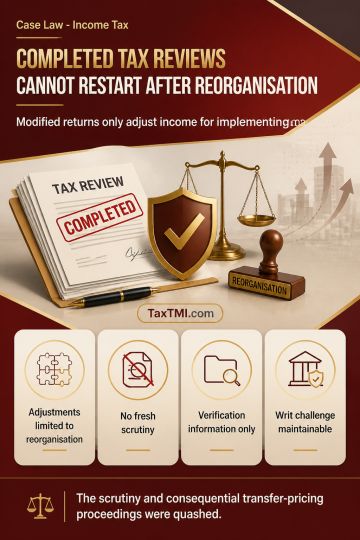
Modified returns after business reorganisations cannot trigger fresh scrutiny once the original assessment was complete, invalidating related transfer...
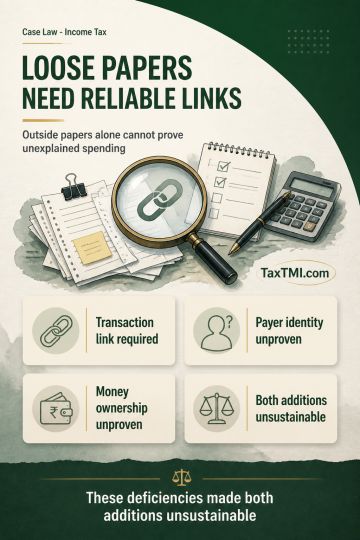
Third-party loose sheets require reliable nexus before supporting unexplained expenditure additions; presumptions do not establish payer identity or o...
The High Court held that the revenue authorities committed grave illegality by not granting pre-decisional hearing to the appellants before blocking their Electronic Credit Ledger u/r 86A of CGST Rules, violating principles of natural justice. The Court observed that although Rule 86A doesn't expressly provide for pre-decisional hearing, it has to be read into the provision when serious civil consequences arise. The authorities passed orders solely based on communication from another officer without independently analyzing if Input Tax Credit was on account of fake invoices, which is impermissible. The orders lacked valid material constituting 'reasons to believe' and were passed on borrowed satisfaction, rendering them bald, vague, and unreasoned. Quashing the impugned orders, the Court allowed the appeals, holding that the mandatory requirements for invoking Rule 86A were not fulfilled by the revenue authorities.
The High Court held that the revenue authorities committed grave illegality by not granting pre-decisional hearing to the appellants before blocking their Electronic Credit Ledger u/r 86A of CGST Rules, violating principles of natural justice. The Court observed that although Rule 86A doesn't expressly provide for pre-decisional hearing, it has to be read into the provision when serious civil consequences arise. The authorities passed orders solely based on communication from another officer without independently analyzing if Input Tax Credit was on account of fake invoices, which is impermissible. The orders lacked valid material constituting 'reasons to believe' and were passed on borrowed satisfaction, rendering them bald, vague, and unreasoned. Quashing the impugned orders, the Court allowed the appeals, holding that the mandatory requirements for invoking Rule 86A were not fulfilled by the revenue authorities.
Note: It is a system-generated summary and is for quick reference only.
 TaxTMI
  TaxTMI
 of 4893